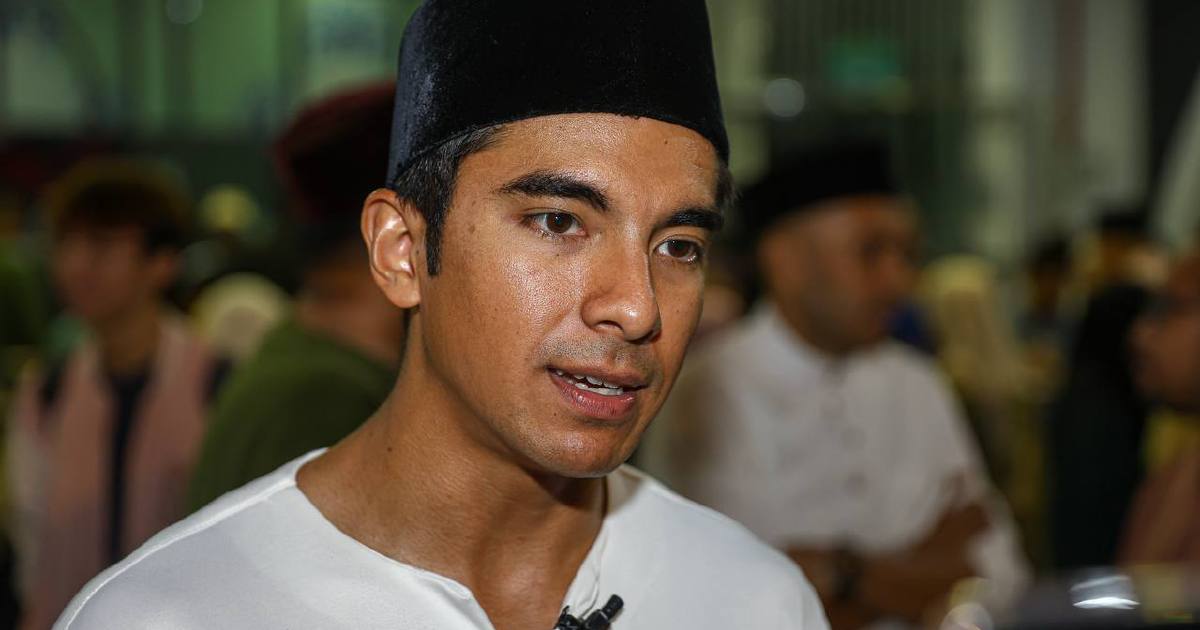
Syed Saddiq Syed Abdul Rahman, the once-prominent Muar Member of Parliament and former Youth and Sports Minister, finds himself at a critical juncture as Malaysia's highest court prepares to deliver its judgment on allegations that have shadowed his political career for years. With the Federal Court hearing nearing its conclusion, the young politician has adopted a contemplative stance, expressing his trust in divine providence while awaiting the bench's decision on charges related to money laundering and the misappropriation of party funds.
The case against Syed Saddiq represents one of the more high-profile legal battles involving a serving politician in recent years. Originally helming Bersatu as its youth wing leader and later serving in cabinet under the Perikatan Nasional administration, his trajectory has been significantly altered by the criminal allegations. The accusations centre on the handling of substantial sums linked to his political activities, matters that have been subject to intensive legal scrutiny across multiple court levels since their initiation.
Syed Saddiq's public positioning ahead of the Federal Court judgment reflects a broader pattern among Malaysian political figures facing legal challenges—projecting stoicism while seeking to maintain public support and party backing. His invocation of faith as he confronts this uncertain moment resonates with cultural and religious values prevalent among many Malaysians, effectively humanising his position while demonstrating acceptance of judicial outcomes. This approach may also signal his preparation for multiple possible scenarios, whether vindication or conviction, each carrying vastly different implications for his continued political viability.
The Federal Court's forthcoming decision holds significance beyond Syed Saddiq's personal circumstances. It will establish important legal precedent regarding the prosecution of politicians on financial crimes, a domain where Malaysia has intensified efforts following global anti-corruption initiatives and heightened public expectations for accountability. The ruling may influence how future cases involving party funds and alleged misappropriation are handled within the judiciary, potentially establishing benchmarks for evidence requirements and burden of proof in such matters.
Politically, the outcome carries weight for multiple stakeholders. Should the court rule against him, it would represent a significant blow to Bersatu's institutional credibility, particularly given his seniority within the party structure. Conversely, acquittal or case dismissal would vindicate him personally and potentially reshape perceptions of the investigation and prosecution. Either result will reverberate through Malaysia's fractious political ecosystem, where factional alignments remain fluid and legal outcomes frequently become ammunition in broader political contests.
The timing of the Federal Court's decision also coincides with evolving dynamics in Malaysia's political landscape. Coalition alignments have shifted considerably since Syed Saddiq's initial legal troubles began, with various parties adjusting their strategies and allegiances. A court ruling could thus arrive at a moment when its political ramifications differ substantially from what might have been anticipated at an earlier stage, potentially reshaping calculations around party stability and ministerial appointments within the current government.
Syed Saddiq's educational background and relatively youthful profile have made him a distinctive figure within Bersatu and Malaysian politics more broadly. His tenure in cabinet, however brief, positioned him as a representative of a new generation of political leaders. The legal proceedings against him have therefore attracted scrutiny beyond typical criminal cases, with observers noting how his fate may influence the willingness of younger professionals to enter electoral politics, particularly given the financial scrutiny and reputational risks involved.
The money laundering allegations are particularly sensitive within the Malaysian context, given the nation's previous struggles with corruption and illicit financial flows. International observers and domestic stakeholders have closely monitored how Malaysian courts address such charges, viewing them as indicators of institutional independence and commitment to financial integrity. A Federal Court judgment in this case will thus contribute to broader international assessments of Malaysia's governance standards and judicial reliability.
As Syed Saddiq awaits the ruling, his political colleagues and party leadership have maintained measured public positions. Some have expressed confidence in his vindication, while others have tactically distanced themselves, a common protective manoeuvre when outcomes remain uncertain. His current status within Bersatu—whether formally suspended, informally sidelined, or actively retained—reflects the party's own navigational challenges as it balances internal loyalty with external political considerations.
The Federal Court's decision, whenever delivered, will constitute a definitive moment for Syed Saddiq and Malaysia's political trajectory. If vindicated, he would likely seek rehabilitation within party structures and electoral politics. If convicted, he would face imprisonment and permanent disqualification from elected office under Malaysian law, effectively terminating his political ambitions. His stated reliance on divine guidance suggests a level of spiritual fortitude as he confronts outcomes he cannot fully control, reflecting the intensely personal nature of legal crises that intersect with public political careers.

