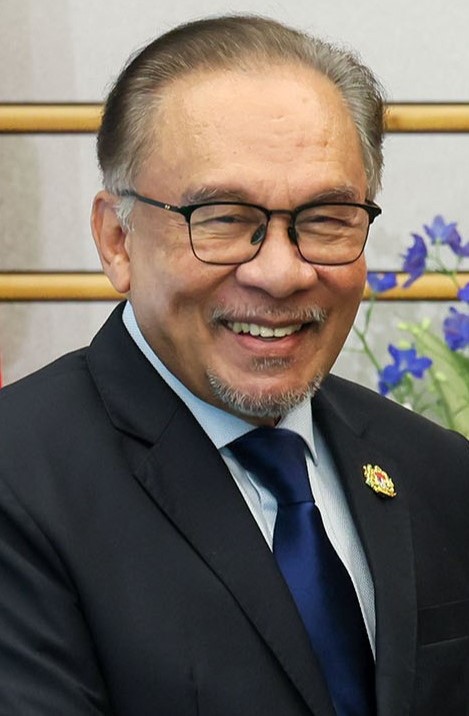
Swedish Prime Minister Ulf Kristersson appears to possess an unusual political resilience, having repeatedly navigated controversies that might have derailed leaders in other democracies throughout his time leading the Nordic nation. As the country prepares for legislative elections just three months away, the prime minister now confronts additional corruption allegations, raising questions about whether this pattern of evasion can continue indefinitely or whether accumulated scrutiny might finally exact a political price.
The durability of Kristersson's political position despite successive scandals underscores broader dynamics within Swedish politics and governance. His ability to emerge unscathed from multiple crises suggests either an exceptionally forgiving electorate, strategic coalition management that protects him from parliamentary censure, or a media and opposition unable to translate allegations into sustained pressure. Observers of Scandinavian politics find this trajectory notable given the region's reputation for stringent standards of official conduct and transparency. The contrast between Sweden's institutional expectations and the prime minister's apparent immunity from consequences warrants examination of how accountability mechanisms function in practice across different political systems.
The nature of Kristersson's previous difficulties reveals patterns worth understanding for Malaysian observers navigating similar questions of governance and leadership legitimacy. Each controversy, while distinct in detail, has shared a common characteristic: initial media attention followed by political dissipation without formal consequences or forced resignation. This trajectory differs markedly from outcomes in other democracies where similar allegations might trigger investigative commissions, parliamentary inquiries, or electoral punishment. Understanding why Sweden's institutions have produced this outcome provides perspective on how different constitutional frameworks handle executive accountability.
The timing of these latest allegations, emerging as Sweden heads toward the electoral campaign period, introduces an additional dimension to this political narrative. Elections ordinarily function as natural moments when voters assess leaders' records comprehensively, yet Kristersson's history suggests previous electoral cycles have not materialised as the accountability moment observers might anticipate. His coalition partners appear to have judged that maintaining government stability outweighs the reputational costs of standing by a controversial prime minister, a calculation that may shift as voters weigh their choices in the coming months.
For regional observers in Southeast Asia, the Swedish case offers instructive comparisons regarding how different institutional frameworks handle political scandals involving chief executives. Malaysian politics has witnessed its own share of controversies surrounding prime ministers and senior leaders, creating natural grounds for comparative analysis. The structural differences between Malaysian parliamentary democracy and the Swedish system—including coalition formation, confidence mechanisms, and electoral rules—shape how scandals either accumulate into political crises or dissipate without lasting impact. Examining how these systems produce divergent outcomes illuminates the broader question of how institutional design affects political accountability.
The specific corruption allegations now confronting Kristersson merit attention for what they reveal about the types of wrongdoing modern democracies must confront. Whether these latest claims gain traction where previous scandals faded depends partly on their severity, the evidence supporting them, and whether opposition parties successfully maintain public focus despite Kristersson's historical record of political survival. The mechanisms through which allegations become crystallised into political consequences—or alternatively, fade from public consciousness—demonstrate how modern governance navigates perpetual scrutiny in an age of continuous media attention and social media amplification.
Sweden's experience also illuminates how coalition governments function when one party or leader faces reputational damage. Kristersson's coalition partners have apparently calculated that their policy agenda and continued governance outweigh the electoral and institutional risks of association with a beleaguered prime minister. This strategic choice, implicit in their continued support, suggests they believe the alternative—allowing the government to collapse and forcing new elections—poses greater danger to their interests. Such coalition mathematics play out differently across democracies depending on party structures, ideological alignment, and constitutional rules governing government formation.
The role of media institutions in either amplifying or allowing scandals to dissipate deserves consideration as well. Swedish journalism maintains generally high standards, yet the persistence of these controversies without visible institutional consequences suggests media exposure alone cannot guarantee political accountability. The relationship between investigative reporting, public opinion formation, and political consequences proves more complex than simple transmission models suggest. Kristersson's ability to survive each crisis despite media attention indicates that news coverage, while necessary for accountability, proves insufficient on its own to compel action without accompanying institutional mechanisms and political will.
The approaching elections will reveal whether accumulated scandals finally reshape electoral outcomes or whether Kristersson's political coalition retains sufficient support to govern beyond the current term. Three months remains substantial time for campaign dynamics to shift perceptions, for new information to surface, or for voters to either consolidate around or abandon the government. Previous patterns suggest the electorate has been willing to overlook or discount the allegations, though campaign intensity and opposition strategy may alter this calculation. The outcome will provide data on whether executive scandals in mature democracies like Sweden genuinely constrain political fortunes or whether skilled leaders can transcend them through strategic communication and institutional management.
For Malaysian readers observing this Swedish case, the broader lesson concerns how governance legitimacy depends not merely on legal structures but on how political actors, media institutions, and voters utilise or neglect the accountability mechanisms available to them. Sweden possesses formal institutions apparently capable of removing leaders found culpable, yet Kristersson persists despite allegations suggesting misconduct. Understanding why illuminates how democracies either function as intended or fail to realise their accountability promise, questions with relevance wherever citizens depend on democratic institutions to constrain official power and protect public interests.