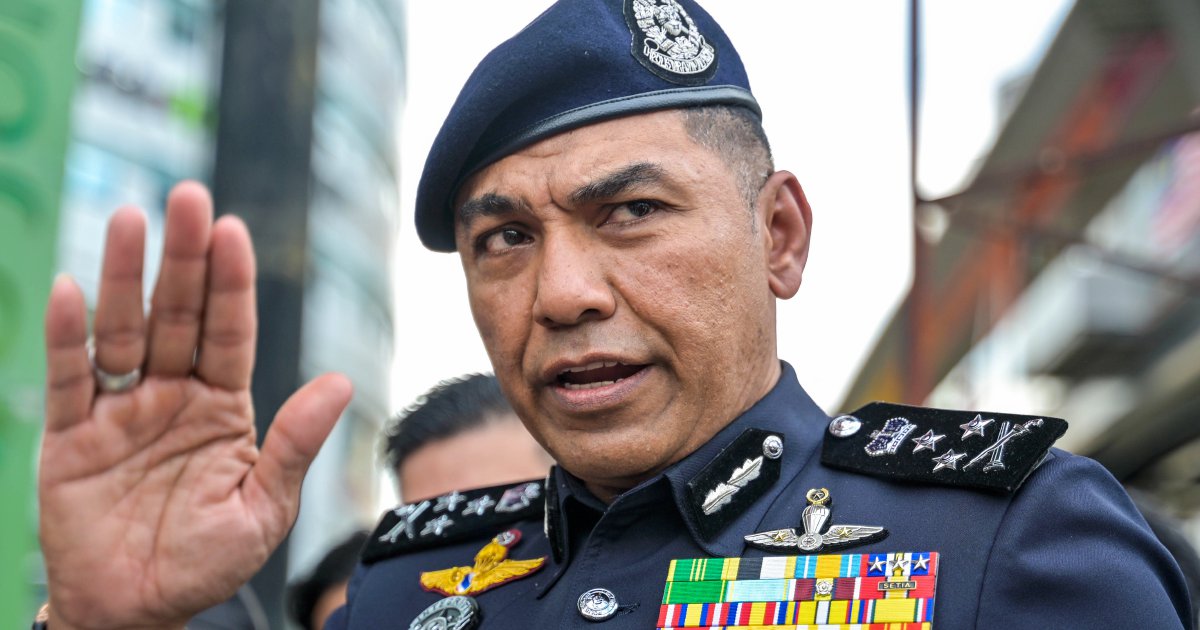
Authorities in Kuala Lumpur have arrested three individuals following a police operation targeting illegal motorcycle racing activities, with one of the suspects believed to be a professional racer involved in underground street racing circuits. The arrests took place at a residential condominium in Sentul after the three men attempted to flee the scene as officers moved in to execute their operation.
Illegal motorcycle racing remains a persistent public safety concern across Malaysia's urban centres, with law enforcement agencies intensifying crackdowns on the clandestine networks that organise these high-speed events. The term "jockey" in this context refers to professional riders who are hired specifically to race in these unsanctioned competitions, often for substantial purses wagered by spectators and organisers. These individuals typically possess advanced riding skills and operate across multiple cities, making them valuable assets within the underground racing economy.
The Sentul operation reflects a broader strategy by Malaysian police to dismantle the infrastructure supporting illegal street racing, which poses significant risks to public safety. These racing activities, typically conducted late at night on public roads or empty stretches of highway, endanger not only the riders and organisers but also innocent motorists and pedestrians who may find themselves caught in these dangerous situations. The sudden appearance of speeding motorcycle convoys has been linked to multiple accidents and traffic incidents across the Klang Valley.
The decision to apprehend individuals at a residential location suggests investigators had been conducting surveillance or had received intelligence about the suspects' movements and meeting points. Police operations targeting these networks often require extended groundwork, as participants operate with considerable secrecy and employ counter-surveillance measures to avoid detection. The condominium location indicates that organisers and key figures in these racing circuits often coordinate their activities from private spaces rather than public venues.
The attempted flight from police custody is particularly significant, as it suggests the suspects recognised the seriousness of their predicament and the potential legal consequences they faced. In Malaysia, those involved in illegal street racing can face charges under various legislation, including provisions related to rash or negligent driving, unlicensed racing, and participation in organised illegal activities. The severity of charges often depends on whether participants were involved in organising, riding, or providing financial backing to these events.
The broader phenomenon of underground motorcycle racing has deep roots in Malaysian urban culture, particularly among younger demographics seeking thrills and the prospect of earning substantial sums through racing. However, the sport's illegal status and association with organised crime networks, loan sharks, and other illicit activities has prompted authorities to treat perpetrators as serious threats to public order. The prize money involved in these operations—sometimes running into tens of thousands of ringgit per race—creates powerful incentives for continuation despite enforcement efforts.
Investigators typically examine the financial networks underpinning these racing circuits as part of their enforcement strategy, as tracking money flows can reveal organisers and higher-level coordinators who profit from these activities. The arrest of a suspected professional jockey may provide officers with valuable intelligence about the broader racing ecosystem, including names of other riders, organisers, sponsors, and locations where events are regularly held. Such information proves crucial for dismantling entire networks rather than simply removing individual participants.
The risks posed by illegal motorcycle racing extend beyond the immediate participants. Police data has repeatedly documented instances where high-speed racing convoys disrupt normal traffic flow, cause accidents, and create hazardous conditions for other road users. The psychological impact on communities where racing is frequent—residents disturbed by noise, increased sense of insecurity—adds to the public health arguments supporting enforcement action.
This arrest comes amid ongoing efforts by the Royal Malaysia Police to combat the menace through increased patrols, intelligence gathering, and coordination with community groups. Different state police forces have reported varying levels of success in disrupting racing networks, with some areas seeing more organised operations than others. The Kuala Lumpur and Selangor region, being densely populated with numerous urban highways and industrial areas, has historically been a hotspot for such activities.
The detention of these three individuals will likely lead to further investigations aimed at expanding the police's understanding of current racing networks operating in the Klang Valley. Authorities typically use this opportunity to extract information about ongoing events, planned races, key figures within these circles, and financial arrangements. The case also demonstrates police commitment to pursuing enforcement action that extends beyond merely catching participants, instead targeting the ecosystem that enables these activities to flourish.

