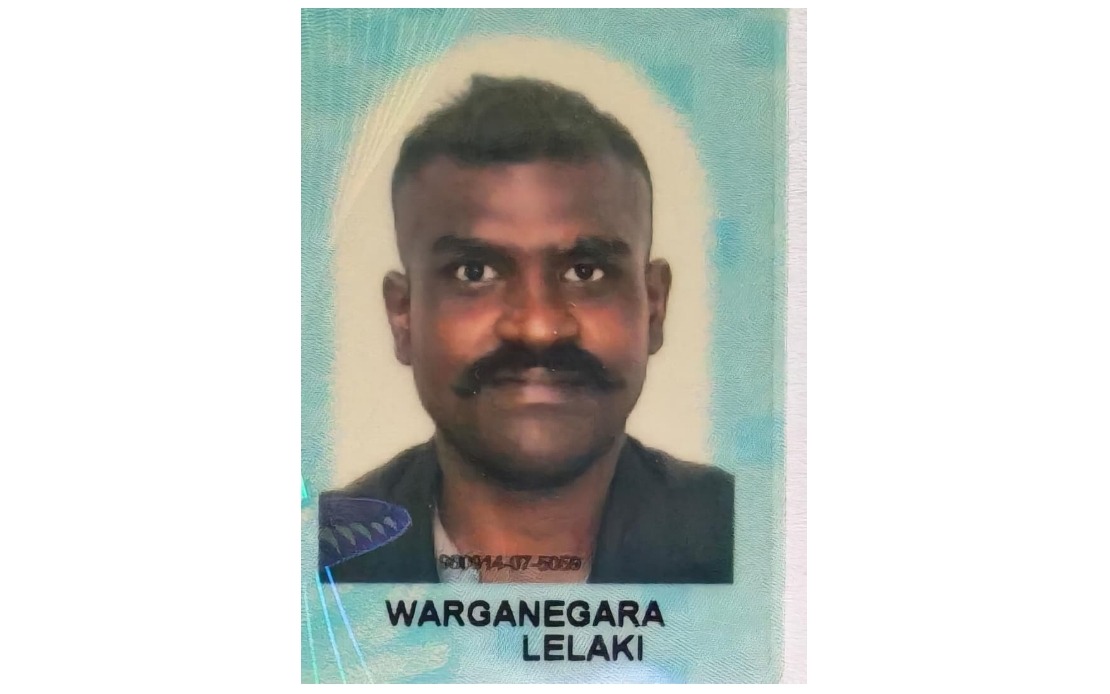
Sungai Bakap Hospital in Nibong Tebal has launched a public appeal to locate family members or next of kin of a 29-year-old man who passed away after spending over two months receiving medical treatment at the facility. The hospital made the request public on August 19, nearly a week after the patient's death, highlighting the challenging circumstances surrounding the case and the hospital's commitment to ensuring proper arrangements for the deceased's remains.
M. Balakrishnan died at 6.53 pm on August 10 in Ward 3 of the hospital from severe sepsis accompanied by multi-organ failure, a serious infection that had overwhelmed his body's ability to function. His body currently remains at the hospital's Forensic Medicine Unit pending identification of relatives who can make arrangements for his final rites and burial. The prolonged stay of the deceased's remains underscores the practical difficulties hospitals face when treating unidentified or socially isolated patients without family support networks.
Balakrishnan's journey through the healthcare system began on May 27 when he was transferred to Sungai Bakap Hospital from Bukit Mertajam Hospital. At that time, hospital authorities were awaiting his placement at a care centre operated by the Social Welfare Department, suggesting he had been identified as someone requiring institutional support. The three-month period between his transfer and death indicates the severity of his medical condition and the complex health challenges that homelessness often entails in Malaysia's healthcare context.
Throughout his entire stay at Sungai Bakap Hospital, no family members, relatives, friends, or acquaintances came to visit Balakrishnan, painting a picture of profound isolation. This absence of human connection during a critical illness phase is particularly poignant and raises questions about social support systems for vulnerable populations in Malaysia. Hospital staff were unable to gather any meaningful information about his family from the patient himself or through routine intake procedures, leaving the institution without basic details needed to contact next of kin.
The hospital's investigation into Balakrishnan's background involved coordination with the National Registration Department, which proved only partially helpful. Records identified a last known address at No. 19, Jalan Sungai Buloh, Taman Segar, Kampung Baru Subang, Selangor—a lead that ultimately yielded no results. When police visited the premises, they discovered that the residence was occupied by a Malay family entirely unconnected to Balakrishnan, suggesting his circumstances may have changed substantially or the address information was outdated.
The case highlights systemic challenges within Malaysia's approach to homeless populations and social safety nets. A person can spend three months in a public hospital without any family contact, then pass away with no identifiable relatives or close associates—a situation that reflects gaps in social welfare infrastructure and community engagement. For healthcare administrators, such situations present both ethical and practical dilemmas regarding the handling of remains, funeral arrangements, and the allocation of hospital resources.
Sungai Bakap Hospital's decision to make a public appeal represents a standard protocol for institutions facing such circumstances, yet it also raises awareness about the vulnerabilities faced by homeless individuals accessing the healthcare system. Malaysian hospitals occasionally encounter patients whose social circumstances are so fractured that they effectively disappear from community oversight once admitted for treatment. The hospital's request for public assistance indicates that systematic approaches—government databases, police checks, and registration departments—have been exhausted.
For Malaysian readers, this case serves as a reminder of the human dimension to healthcare beyond clinical treatment. While hospitals excel at providing medical intervention, the systems supporting social connection and family engagement for vulnerable patients remain underdeveloped. Balakrishnan's situation underscores the importance of community health workers, social services integration, and perhaps volunteer programs that could identify and maintain contact with isolated patients during hospital stays.
The appeals for information suggest that someone in Malaysia's communities may hold a crucial piece of the puzzle. A neighbour, former employer, community leader, or social worker might recognise Balakrishnan's name or possess contact information for his family. The hospital has made clear that any information, however limited, could assist in resolving the matter and allowing his remains to be handled according to his family's wishes and cultural or religious practices.
This incident also reflects broader demographic and social trends in Malaysia where increasing urbanisation, economic pressures, and family fragmentation contribute to rising numbers of homeless individuals and socially isolated persons. Healthcare providers across the country likely face similar situations regularly, though they rarely receive public attention. The case prompts reflection on whether Malaysia's social welfare apparatus adequately addresses the needs of those without stable housing or family support networks.

