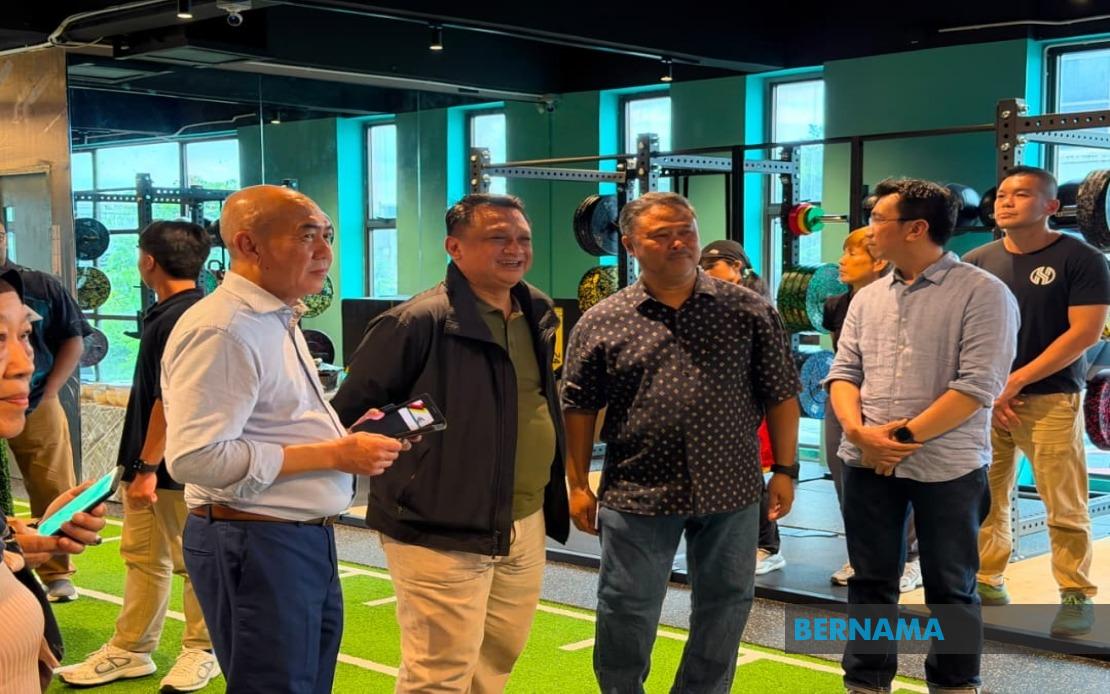
Malaysia's rapidly ageing population faces a persistent public health challenge that often goes unnoticed until it becomes a crisis: falls among senior citizens. In Kuching this week, Dr Adibah Ali, owner of FitLab gymnasium, brought this issue into sharp focus, arguing that muscle-strength training represents one of the most effective yet underutilised preventive interventions available to older adults. Her remarks came during a visit by the Raja Muda of Perlis, Tuanku Syed Faizuddin Putra Jamalullail, accompanied by the Raja Puan Muda of Perlis, Tuanku Dr Lailatul Shahreen Akashah Khalil, and their son, Syed Sirajuddin Areeb Putra Al-Haj Jamalullail, to the gymnasium.
Dr Adibah, a consultant breast and endocrine surgeon, draws on more than two decades of clinical practice to substantiate her concerns. Throughout her hospital career, she has witnessed a steady stream of elderly patients admitted with serious injuries sustained from falls—a pattern that reflects a broader vulnerability within the ageing demographic. Her experience in the wards revealed a troubling reality: many of these incidents were preventable through appropriate intervention. The fractures and trauma resulting from falls often trigger cascading health complications, extended hospital stays, and diminished independence among seniors, yet awareness campaigns addressing this specific risk factor remain insufficient relative to the scale of the problem.
The fundamental misconception surrounding strength training for older adults centres on aesthetics and competitive bodybuilding, according to Dr Adibah. She emphasises that the objective is fundamentally different: rather than pursuing muscular bulk, the goal is to fortify the skeletal system, stabilise the joints, and improve proprioception and balance—all of which directly reduce injury susceptibility. Muscle deterioration, a natural consequence of ageing and sedentary behaviour, undermines the body's ability to respond quickly to loss of balance or unstable terrain. Structured resistance exercise counteracts this degenerative process by maintaining muscular tone and neurological responsiveness, thereby creating a protective buffer against fall-related trauma.
Beyond injury prevention, strength training delivers tangible improvements to daily functioning and independence. Simple activities that many younger adults take for granted—ascending stairs, carrying groceries, rising from a seated position, or maintaining balance while reaching for objects—become genuinely hazardous for seniors with diminished muscle mass. Progressive resistance training restores capacity in these domains, enabling older adults to perform household tasks with greater confidence and safety. This functional improvement directly translates into maintained autonomy and dignity, factors that significantly influence psychological wellbeing and quality of life in later years.
Recognising this opportunity, FitLab has committed to developing specialised exercise classes tailored specifically for elderly participants. These programmes would differ substantially from generic fitness offerings, incorporating modified movements, appropriate resistance levels, and careful attention to balance and stability work. The gymnasium also plans collaborative initiatives with Pusat Aktiviti Warga Emas (PAWE), Malaysia's primary community centre network for senior citizens, to broaden reach and accessibility. By embedding strength training programmes within established community spaces where older adults already congregate, these efforts could substantially expand participation beyond those motivated to visit commercial gyms.
Sarawak's Deputy Minister of Youth, Sports and Entrepreneur Development, Datuk Gerald Rentap Jabu, contextualised these efforts within demographic realities specific to the state. Sarawak's population aged 50 and above represents an expanding segment, a trend mirroring national patterns and intensifying the urgency of preventive health interventions. He advocated for a holistic approach to senior wellness that extends beyond physical conditioning to encompass cognitive engagement. Activities such as chess, which demand strategic thinking and mental discipline, complement exercise regimens by stimulating neurological function and providing social interaction—elements that research consistently links to successful healthy ageing outcomes.
The collaboration between PAWE and private sector partners like FitLab represents an encouraging model for translating health evidence into community-level practice. Rather than relying solely on government health systems or individual initiative, this partnership approach leverages private expertise and facilities while utilising established community infrastructure to reach target populations. Such public-private coordination proves particularly valuable in a country with Malaysia's healthcare geography, where rural and semi-urban areas often face resource constraints that limit access to specialised services.
The visit by the Raja Muda of Perlis, who spent approximately two hours at the gymnasium, underscores the emerging political recognition of senior citizen welfare as a substantive policy priority. Vice-regal engagement with fitness facilities and ageing-related initiatives signals that these concerns warrant attention at the highest levels of governance. Following the gymnasium tour, the delegation proceeded to the 2026 World Rainforest Music Festival at the Sarawak Cultural Village, an event that similarly reflects growing emphasis on cultural vitality and active engagement for all demographic segments.
For Malaysia's healthcare system and policymakers, the evidence supporting strength training's protective effects against falls is compelling and well-established through international research. Yet translating this evidence into widespread practice requires sustained public education campaigns, training of instructors qualified to work with older populations, and integration of these interventions into standard geriatric care protocols. The current low public awareness that Dr Adibah identified suggests substantial room for improvement in health communication strategies targeting both seniors and their families.
Moving forward, the initiatives outlined in Kuching could serve as a template for other states and municipalities. Replicating FitLab's model—combining commercial fitness expertise with community health partnerships and government support—creates multiple reinforcing incentives for participation. As Malaysia's elderly population continues expanding, the aggregate healthcare costs of preventable fall-related injuries, hospitalisations, and long-term care will escalate unless preventive strategies gain traction. Positioning muscle-strength training as a central pillar of healthy ageing represents not merely a wellness trend but an essential public health priority with demonstrable capacity to reduce morbidity, preserve independence, and enhance dignity during later life.

