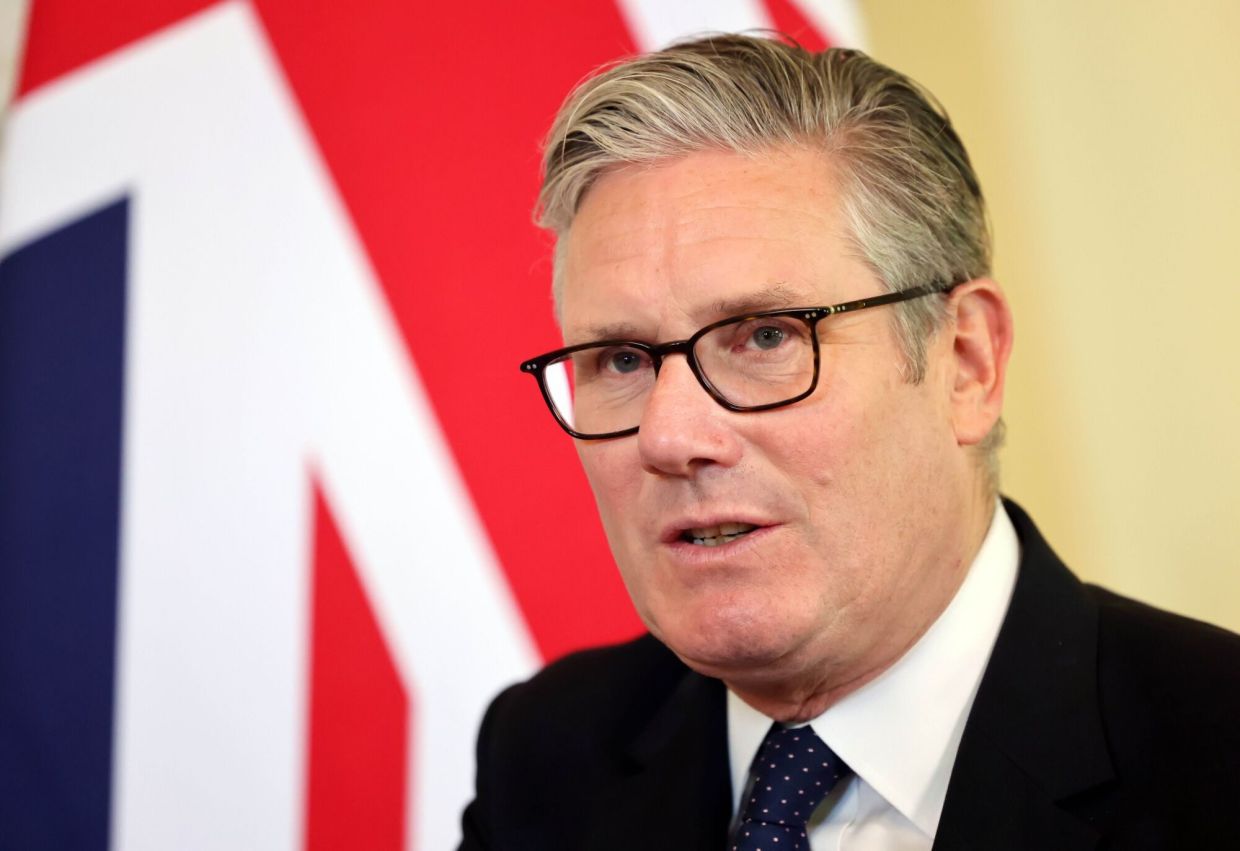
UK Prime Minister Keir Starmer is poised to unveil sweeping restrictions aimed at shielding British teenagers from online dangers. The Labour government's announcement, expected Monday morning, will include prohibiting under-16s from accessing major social media platforms, imposing time limits on older adolescents, and introducing strict regulations on chatbots. Starmer will subsequently travel to Évian-les-Bains, France, for a Group of Seven meeting where he faces uncomfortable inquiries following his defence secretary's recent departure and questions over military spending.
The proposed restrictions go further than comparable legislation in Australia, which introduced its social media ban for teenagers last year. Public backing for such measures remains robust, though critics question the feasibility of enforcing them effectively. In a statement released Sunday evening, Starmer said: "This is a choice about whose side we're on: families across the country, or a status quo that isn't working."
Detractors have questioned the government's timeline, pointing out that a public consultation on youth protection closed just weeks ago. Ian Russell, whose teenage daughter died in 2017 following exposure to harmful online material, warned that rushing the policy forward would be "deplorable," suggesting the move may be politically motivated. Several members of Starmer's cabinet reportedly believe the decision to implement a full under-16 ban was expedited ahead of Thursday's parliamentary by-election in Makerfield, northwest England.
The opposition Liberal Democrats have slammed the approach as a "half-baked policy" designed primarily to burnish Starmer's political standing. The timing is particularly sensitive given mounting pressure from within Labour ranks, with Andy Burnham widely expected to secure the Makerfield seat and potentially mount a leadership challenge against the prime minister.
Starmer is also navigating fallout from recent ministerial resignations, including defence-related departures over inadequate military funding increases. Culture Secretary Lisa Nandy indicated Sunday that negotiations for additional defence spending are ongoing, with the government exploring budget reallocations across departments. While increased military investment could demonstrate commitment to Britain's international partners, it also exposes Starmer to criticism of policy reversals following the earlier resignations.