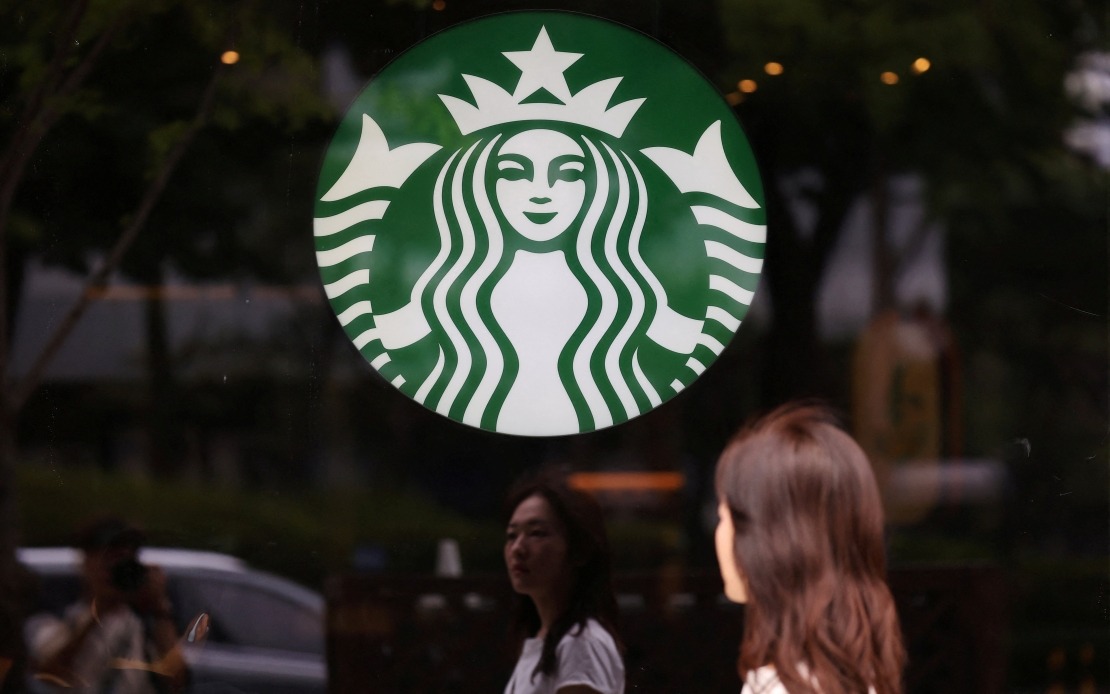
Starbucks South Korea took the unprecedented step of closing its entire network of more than 2,000 outlets on Monday afternoon to conduct compulsory historical training for staff members, a corporate accountability measure prompted by a public relations catastrophe involving Shinsegae, the company holding the beverage chain's Korean franchise rights. The coordinated shutdown underscores how seriously the coffee giant and its local partner have treated the fallout from a marketing initiative that transformed what was intended as a simple product promotion into a flashpoint touching on one of the nation's most traumatic historical events.
Shinsegae's problematic campaign centred on the launch of a stainless steel thermos cup marketed as the "SS Tank", which the company designated as the centrepiece of a promotional event designated "Tank Day" on May 18. The date selection proved catastrophically insensitive, as South Korea observed it as a memorial to the 1980 Gwangju Uprising, when the military-led government of the period brutally suppressed pro-democracy protesters with armoured vehicles, resulting in several hundred deaths. The deliberate choice of this date to celebrate a product bearing the "Tank" nomenclature triggered immediate and overwhelming public backlash, with consumers swiftly organising boycott campaigns and expressing outrage across social media platforms.
The controversy intensified when commentators highlighted that the abbreviation "SS", which ostensibly referred to stainless steel in the product's designation, also carried deeply troubling historical connotations as the symbol of Adolf Hitler's paramilitary death squads during Nazi Germany. While Shinsegae's marketing team maintained the initials were intended solely to denote the material composition, the dual meaning added another layer of sensitivity to an already inflammatory situation. However, observers note that this secondary concern appeared secondary to the primary accusation that the company had callously weaponised a nation's collective trauma for commercial purposes.
Facing escalating public condemnation and organised pressure from civil society groups, Shinsegae halted the campaign within hours of its launch. The rapid retreat proved insufficient to contain the reputational damage. South Korea's opposition leader and presidential candidate President Lee Jae Myung publicly denounced the initiative, channelling widespread public sentiment through his social media statement. "I am furious at the inhumane behaviour of such businesspeople," Lee posted on his X account, reflecting the visceral anger that Shinsegae's decision had provoked across the political spectrum.
In the aftermath, Shinsegae initiated damage control measures, issuing a formal apology and removing from their positions the executives determined to be responsible for the ill-conceived marketing strategy. Through a formal statement following an internal investigation, the company asserted that it had harboured no intentional malice toward the victims and their families, framing the debacle as a catastrophic miscalculation rather than deliberate disrespect. Nevertheless, the statement fell short of satisfying critics who questioned how such a significant breach of cultural sensitivity could have advanced through corporate approval processes without triggering appropriate alarm bells.
The broader implications of the Starbucks closure for historical education and corporate accountability deserve scrutiny in a Southeast Asian context. Malaysia and other regional economies have similarly experienced moments where commercial entities have triggered public ire through tone-deaf marketing initiatives, though rarely with the same magnitude or national historical resonance as the Gwangju commemoration. The mandatory training programme signals corporate acknowledgement that staff education about historical context remains integral to responsible business operations.
The historical significance of May 18 cannot be overstated in understanding contemporary South Korea. The 1980 Gwangju Uprising remains a defining moment in the nation's democratic development and collective identity, etched into the national consciousness as a symbol of civilian sacrifice against authoritarian repression. For a multinational brand to appear to trivialise this watershed moment through commercial opportunism prompted reactions that transcended ordinary consumer criticism. The incident prompted reflection on how global corporations operating in markets with distinct historical traumas must navigate cultural awareness with greater sophistication.
Corporate responsibility extends beyond public apologies and personnel changes, as Starbucks and Shinsegae's decision to conduct compulsory historical training demonstrates. By requiring all employees to participate in structured learning about May 18 and its implications, the companies signalled institutional commitment to preventing comparable lapses. Such training programmes can prove particularly valuable for younger staff members and those unfamiliar with Korean history, ensuring that future marketing initiatives receive appropriate cultural vetting before implementation.
South Korean authorities have not remained passive observers. Seoul police initiated their own investigation into the campaign's origins and decision-making processes, suggesting potential regulatory scrutiny beyond the corporate sphere. This development reflects broader governmental interest in ensuring that enterprises respect historical sensitivities, particularly those linked to national identity and democratic struggle. The investigation may establish precedents for how law enforcement addresses culturally inflammatory marketing in the region.
The incident offers sobering lessons for multinational corporations operating across Asia regarding the intersection of commerce, historical memory, and social responsibility. What appeared to represent a straightforward product launch to Shinsegae's marketing team instead collided catastrophically with deeply rooted national narratives about democracy, sacrifice, and resistance to authoritarianism. For Malaysian and Southeast Asian readers, the episode reinforces the essential need for corporations to invest in cultural competency training and historical awareness, recognising that commercial success depends increasingly on demonstrating respect for the communities in which they operate.
Moving forward, the mandatory closure and retraining initiative may establish a new standard for corporate accountability in response to cultural crises. Rather than allowing such controversies to dissipate through time or hoping that apologies would suffice, Starbucks and Shinsegae chose to address the systemic failures that permitted such a lapse. This institutional acknowledgement of responsibility, while perhaps insufficient to satisfy all critics, represents a recognition that operating responsibly in historically conscious societies requires continuous education and vigilant cultural sensitivity throughout organisational structures.