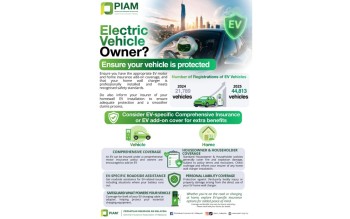
Standard household and fire insurance policies across Malaysia automatically extend coverage to fire damage irrespective of its cause, according to the General Insurance Association of Malaysia, clarifying uncertainties that have emerged following a recent EV charger fire in Cheras. The coverage applies across all specified perils outlined in policy documents, though it remains contingent upon compliance with policy terms, absence of fraud, and no deliberate misuse or breach of contractual obligations.
Chua Kim Soon, chief executive of PIAM, issued the clarification to address mounting concerns among Malaysian homeowners about the adequacy of their insurance protection as electric vehicles become increasingly prevalent. The statement follows a destructive fire incident in the Cheras neighbourhood involving an EV home charging installation that reportedly caused significant damage to residential property. This event has prompted broader questions about whether traditional insurance frameworks adequately account for emerging technologies in residential settings.
The distinction between different types of charging equipment matters considerably when determining coverage pathways. Permanently installed chargers that are hard-wired into a home's electrical system typically qualify as fixtures and fittings under the buildings section of household policies. Conversely, detachable or movable charging cables and portable charging solutions generally require coverage through specialised electric vehicle motor insurance add-ons or dedicated packages that insurers have developed specifically for EV owners.
Insurance companies impose specific obligations on homeowners before and during the claims process. They require property owners to exercise reasonable care in maintaining electrical safety standards throughout their residences. When evaluating whether to pay claims following a fire incident, insurers will scrutinise official investigation documentation from fire authorities to eliminate scenarios involving arson, fraudulent claims, or violations of electrical safety regulations. Any evidence of unauthorised electrical modifications or installations that breach statutory standards could compromise coverage entitlements.
Chua stressed the critical importance of disclosure, recommending that homeowners formally notify their insurers upon commissioning a permanent EV charger. This notification process ensures that the declared sum insured accurately reflects current rebuilding expenses and accounts for the enhanced value of upgraded electrical infrastructure. Clear communication between insured parties and insurers eliminates ambiguity during claims adjudication and strengthens the likelihood of rapid settlement when incidents occur.
Propertyowners must examine whether their existing sum insured remains adequate given modern living standards and home improvements. Many households have substantially upgraded their properties over recent years through renovations, electrical enhancements, and installation of contemporary fixtures. These modifications directly increase reconstruction costs in the event of damage, making it essential for coverage limits to align with realistic rebuilding expenditure rather than outdated valuations.
Public liability exposure represents another critical dimension that Malaysian homeowners should evaluate carefully, particularly those residing in terrace houses, apartments, or high-rise developments. Electrical fires and charging-related incidents carry inherent risk of propagation to neighbouring properties, potentially creating substantial liability for the responsible property owner. Although standard household policies typically provide RM50,000 in public liability protection, property owners can elect to purchase optional liability extensions that increase coverage substantially, providing greater financial protection against claims from affected neighbours.
Chua recommended that EV owners conduct comprehensive reviews of both their motor insurance arrangements and residential property policies to identify any coverage gaps. This holistic assessment becomes increasingly important as electric vehicles represent a significant asset requiring adequate protection, while the charging infrastructure itself poses distinct risks that demand thoughtful insurance structuring. Owners should ensure that motor policies adequately cover the vehicle, that charging equipment receives appropriate coverage, and that the residential structure itself maintains sufficient protection against fire and electrical incidents.
For Malaysian consumers navigating an evolving insurance landscape shaped by rapid EV adoption, engagement with insurance providers offers the most reliable path toward comprehensive protection. Insurers possess technical expertise in assessing emerging risks associated with residential charging installations and can recommend appropriate coverage enhancements tailored to individual circumstances. As electric vehicles transition from novelty technology to mainstream transportation, establishing clear communication channels with insurers ensures that coverage frameworks evolve in tandem with changing household infrastructure, ultimately protecting both property owners and their neighbours from uninsured losses resulting from charging-related incidents.

