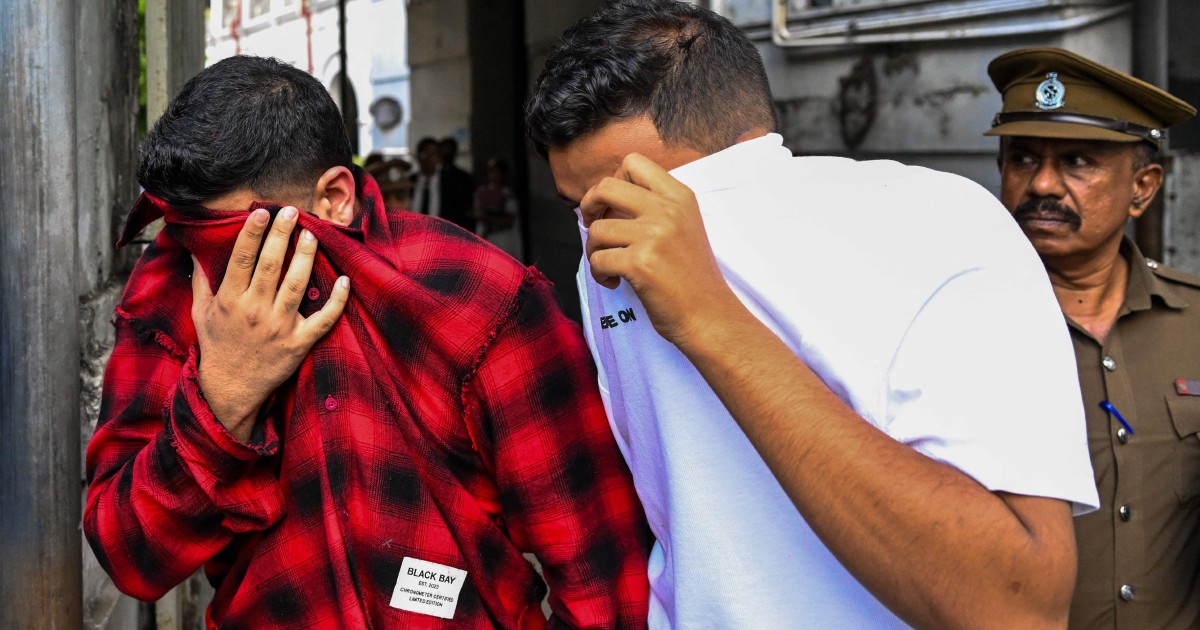
A Colombo court has directed the detention of an Indian national serving as co-owner of a Lanka Premier League team, accused of orchestrating a scheme to offer bribes to five cricketers in exchange for match-fixing arrangements. The judicial order, issued on Friday, mandates that the accused remain in custody through the remainder of the month as investigations proceed into the serious allegations.
The case represents one of the most high-profile corruption investigations targeting a cricket franchise in South Asia in recent years. Match-fixing scandals have historically plagued the sport across the region, damaging its credibility and drawing scrutiny from international governing bodies. This particular incident, emerging from Sri Lanka's domestic Twenty20 competition, signals that no segment of the cricketing ecosystem—regardless of commercial stature or professional standing—remains immune to such infractions.
The Lanka Premier League, established in 2017, has positioned itself as a premier Twenty20 tournament in South Asia, competing with franchises from India, Pakistan, and Bangladesh for viewership and sponsorship revenue. The involvement of a foreign co-owner in alleged match-fixing raises questions about operational oversight and compliance mechanisms within franchise ownership structures across regional leagues. For Malaysian cricket enthusiasts and industry observers, the development illustrates vulnerabilities in governance frameworks that supervisory bodies must urgently address.
The severity of the charges—attempting to corrupt five players simultaneously—suggests a calculated, organised effort rather than an isolated misconduct. Such coordinated attempts to manipulate results represent the most corrosive form of corruption in sport, as they undermine the fundamental principle of competitive integrity that underpins all sporting contests. The targeting of multiple participants indicates either deep institutional dysfunction within the franchise or a sophisticated criminal network operating across cricket circles.
Court proceedings in Colombo will determine the factual basis for the allegations and whether sufficient evidence exists to proceed toward formal trial. The remand period through the month's end provides investigators time to gather additional testimony, examine financial transactions, and secure cooperation from the implicated players. In jurisdictions across Asia, such periods of custody have often yielded substantial cooperation from accused parties facing extended detention.
The incident arrives amid broader concerns about the proliferation of T20 leagues throughout Asia and their vulnerability to infiltration by criminal enterprises. With compressed schedules, international player participation, and enormous sums wagered through illegal betting channels, Twenty20 cricket has become a prime target for match-fixers. The commercial success of franchises like those in the LPL creates financial incentives that can tempt individuals into compromising their integrity.
For Sri Lankan cricket governance, this case poses significant reputational challenges internationally. The sport remains a central pillar of national identity on the island, and corruption allegations threaten sponsorship relationships, broadcasting deals, and public confidence. Cricket boards across South Asia maintain intelligence units specifically tasked with detecting and preventing such schemes, yet determined actors continue seeking opportunities to circumvent these safeguards.
Regional cricket authorities have previously expressed concerns about coordination between match-fixers operating across multiple leagues. An individual with franchise ownership interests possesses both resources and strategic positioning to execute complex schemes affecting multiple competitions or seasons. The alleged involvement of a co-owner rather than a lower-ranking figure suggests the investigation may ultimately expose systemic deficiencies in integrity protocols at institutional levels.
For Malaysian cricket stakeholders, this development serves as a cautionary reminder regarding the imperative for domestic leagues to implement rigorous due diligence procedures when licensing foreign investors and franchise operators. The substantial financial resources required to establish competitive Twenty20 franchises can attract individuals with questionable backgrounds or hidden agendas. Regulatory bodies must establish transparent vetting mechanisms and ongoing monitoring systems to protect the integrity of cricket within their jurisdictions.
The court's decision to remand the accused in custody rather than granting bail demonstrates the seriousness with which Sri Lankan authorities are treating corruption allegations. Judges presiding over sports-related cases have increasingly shown willingness to impose stringent conditions, reflecting acknowledgment that match-fixing poses genuine threats to social order and public confidence in institutions. This judicial posture may influence how match-fixing cases proceed across other South Asian jurisdictions.
As investigations unfold, scrutiny will extend to the franchise's administrative structures, ownership transparency, and relationships with betting syndicates or intermediaries. International cricket bodies may become involved should evidence suggest attempts to fix matches in regional or international tournaments. The full scope of potential wrongdoing remains unclear, with investigators likely pursuing multiple angles simultaneously.
Ultimately, the resolution of this case will carry implications extending far beyond Sri Lanka's domestic cricket landscape. It will inform how South Asian cricket boards refine their integrity frameworks, how investors assess reputational risks in franchise cricket, and how law enforcement agencies across the region coordinate responses to transnational corruption networks. The period ahead will prove decisive in demonstrating whether existing institutional safeguards possess adequate strength to protect the sport's competitive credibility.

