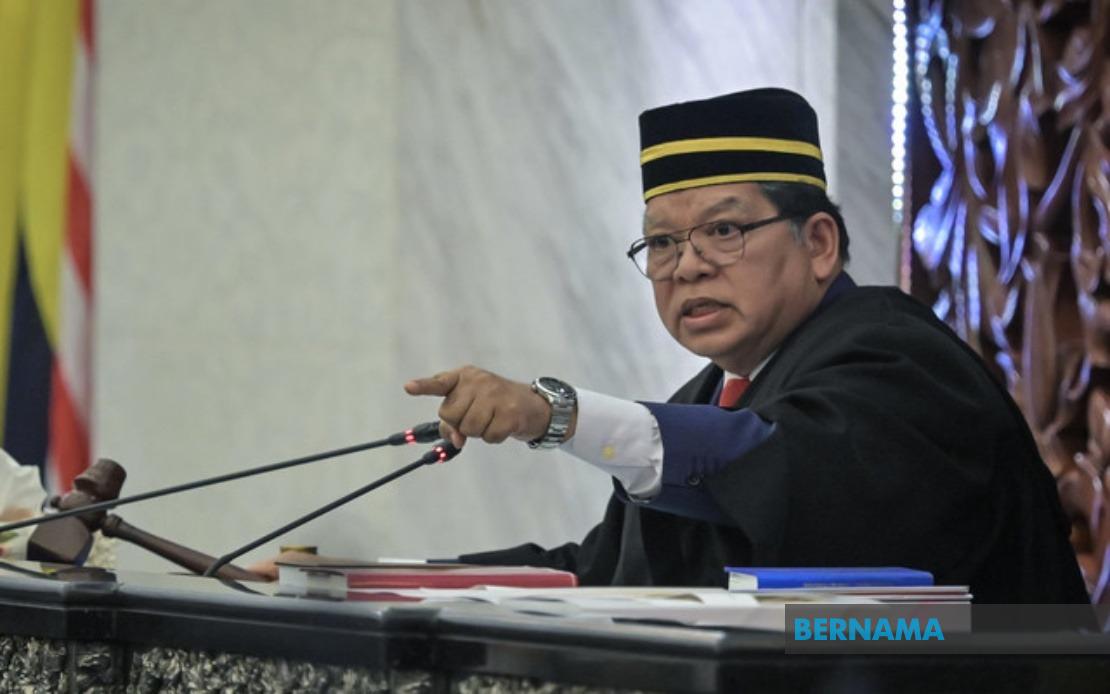
Dewan Rakyat Speaker Tan Sri Dr Johari Abdul has urged Members of Parliament to take their health seriously by participating in regular screening programmes, a reminder prompted by the recent hospitalisation of one of their colleagues at the National Heart Institute. The speaker delivered his exhortation before proceedings commenced on July 8, emphasising that preventive health measures warrant the attention and commitment of all parliamentarians.
The incident that triggered the speaker's appeal involved Kuala Terengganu MP Datuk Ahmad Amzad Hashim, who suffered a medical emergency while present in Parliament. According to his office, the health crisis occurred during the Minister's Question Time session, when Hashim was in attendance. He had been scheduled to participate subsequently in a parliamentary debate examining the 2024 Annual Report of the Human Rights Commission of Malaysia. The timing of the incident, occurring in the midst of active parliamentary business, underscores the unpredictable nature of health emergencies even among those in positions of public responsibility.
Tan Sri Dr Johari highlighted the concrete value of systematic health screening, positioning early detection as a cornerstone of effective health management. He articulated that identifying potential medical conditions at their inception enables legislators to implement preventive strategies before complications arise. These interventions might take several forms, ranging from lifestyle adjustments and dietary modifications to pharmaceutical treatments and, when necessary, prompt medical procedures. The speaker's framing suggests that early identification functions as a critical buffer against the progression of serious illnesses that might otherwise incapacitate public officials.
The parliamentary health screening initiative represents an ongoing collaboration between the legislative branch and the Ministry of Health, a partnership that commenced in 2023 and continues through the current year. This formalised programme reflects institutional recognition that the health of those entrusted with legislative duties carries implications beyond individual welfare. Parliamentarians carry significant workloads, face irregular schedules, and operate under considerable pressure—factors that can compromise physical wellbeing. A structured screening programme acknowledges these occupational realities and attempts to mitigate their health consequences through systematic monitoring.
The speaker publicly commended those MPs who have already engaged with the screening programme, signalling organisational approval for participation. Simultaneously, he extended gratitude to the Ministry of Health for its sustained engagement with the initiative, recognising the technical expertise and administrative resources that health authorities have committed to supporting parliamentary health management. This cross-institutional cooperation demonstrates a broader governmental commitment to safeguarding the health of elected representatives, which in turn supports institutional continuity and effective governance.
For Malaysian readers accustomed to similar health initiatives in corporate and government sectors, the parliamentary screening programme reflects a global trend toward proactive occupational health management. Many developed legislatures have implemented comparable schemes, recognising that the health profile of legislators directly influences legislative productivity and institutional stability. The National Heart Institute's involvement in treating the affected MP highlights the specialist capacity within Malaysia's healthcare infrastructure, even as it illustrates the genuine health vulnerabilities present within Parliament's membership.
The broader implications of this situation extend beyond individual parliamentary health. Sudden incapacitation of legislators can disrupt legislative schedules, affect quorum requirements, and potentially delay urgent governmental business. For constituencies, the unexpected hospitalisation of their representative creates gaps in constituency services and parliamentary representation. Thus, the speaker's emphasis on preventive health screening serves both individual and systemic interests, attempting to reduce the incidence of health crises that might compromise parliamentary functioning.
The timing of the speaker's intervention—delivered during normal parliamentary proceedings rather than in a formal memo—suggests the urgency with which leadership views this matter. By raising the issue before the full chamber during the question-and-answer session, Tan Sri Dr Johari ensured maximum visibility and reinforced the message that health screening constitutes a significant institutional priority. This public forum underscores that participation in health programmes should not be regarded as optional or peripheral to parliamentary responsibilities.
For parliamentarians, particularly those serving advanced tenures or representing geographically dispersed constituencies, the screening programme offers accessible entry points to the health system. Many MPs maintain demanding travel schedules between Kuala Lumpur and their constituencies, complicating the pursuit of routine medical care. A centralised screening programme mitigates these logistical barriers, making preventive care available within the parliamentary infrastructure itself. This operational dimension contributes to the programme's practical value beyond its conceptual importance.
The incident involving Datuk Ahmad Amzad Hashim serves as a real-world illustration of why the speaker's warnings carry substance. A sudden health event during parliamentary sitting hours demonstrates that even relatively young or apparently healthy individuals can experience critical medical episodes. The normalcy of parliamentary routine offers little protection against cardiovascular events, strokes, or other acute conditions. This unpredictability reinforces the rationale for systematic, rather than ad-hoc, health monitoring across the parliamentary membership.
Moving forward, the parliamentary health screening programme may warrant expansion or enhancement based on lessons from this incident. Questions may arise regarding whether current screening protocols are sufficiently comprehensive, whether frequency of screening should increase for certain risk groups, or whether on-site emergency medical capacity might be strengthened. While these considerations extend beyond the speaker's immediate remarks, they represent natural follow-up inquiries as Parliament continues to prioritise the health and safety of its members.

