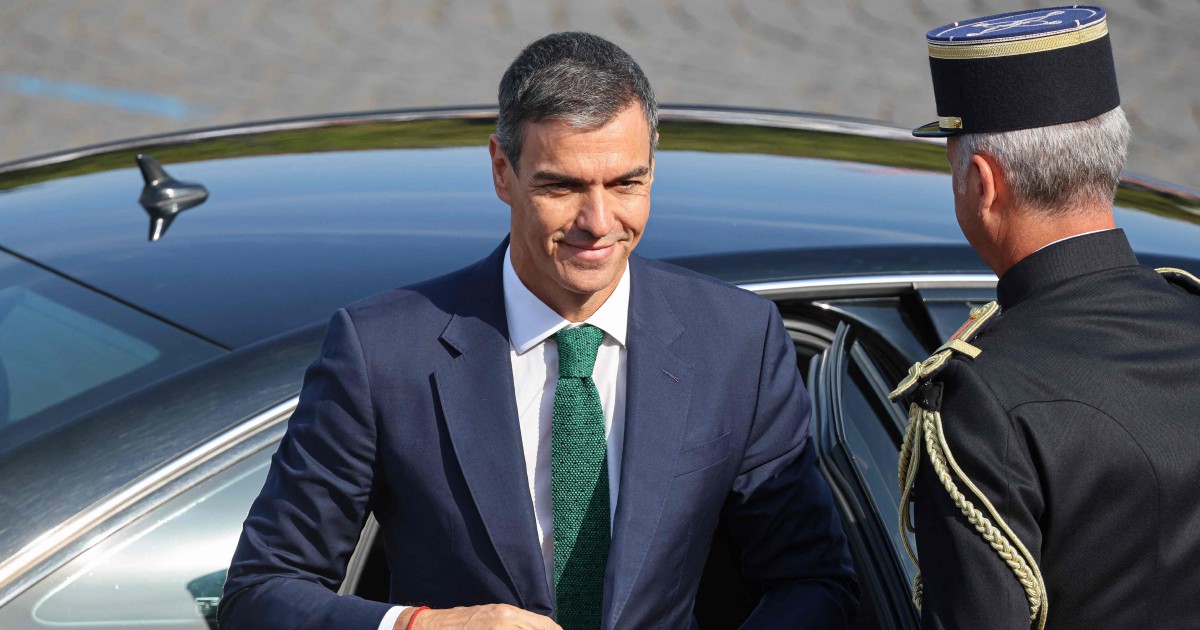
Spanish Prime Minister Pedro Sanchez has expressed strong backing for the national football team ahead of the World Cup final against Argentina, highlighting the squad's remarkable cohesion as a defining strength entering one of football's most prestigious contests. The endorsement from the country's political leadership underscores how deeply football resonates within Spanish society and demonstrates the unifying power of international sporting competition.
Sanchez's comments carry particular significance given the domestic political challenges facing his administration. Spain has been wrestling with corruption investigations that have touched government circles, creating a tense political atmosphere at home. By celebrating the football team's achievements and the national sense of purpose they generate, the Prime Minister taps into a broader Spanish pride that transcends the immediate difficulties of governance.
The Spanish national team has cultivated a distinctive identity built on possession-based football, technical excellence, and synchronized team movement. This distinctive approach has become synonymous with Spanish football identity and resonates strongly with supporters who view the team as representatives of broader national values. The emphasis on collective rather than individual brilliance appeals to many Spaniards, who see the team as embodying unity of purpose.
Reaching a World Cup final remains an extraordinary achievement that demands consistency, psychological resilience, and flawless execution across multiple tournament stages. The Spanish squad has demonstrated each of these qualities throughout the competition, defeating formidable opponents while maintaining tactical discipline. Such accomplishments create genuine national celebration that temporarily overshadows partisan political divisions.
For Malaysia and other Southeast Asian nations, Spain's success illustrates how established football powers maintain competitiveness through sustained investment in youth development and tactical innovation. Spanish football academies have become models studied worldwide, and their systematic approach to player development continues influencing programmes across Asia. The tournament provides valuable lessons about building competitive football infrastructure.
Argentina presents a formidable challenge steeped in its own rich football heritage and contemporary brilliance. The South American side brings different tactical philosophy and playing style, creating fascinating contrasts that have captured global imagination. Both nations represent different football traditions approaching their ultimate objective through distinct methodologies.
The World Cup final commands unprecedented attention across Europe and Latin America, generating enormous viewership numbers and creating moments of collective national experience. Sports psychologists recognize these occasions as uniquely powerful in building social cohesion and transcending everyday divisions. Citizens across Spain, regardless of regional identity or political preference, unite in supporting their national representatives.
Political leadership worldwide recognizes that associating with sporting success carries significant symbolic weight. Sanchez's public endorsement positions him alongside national achievement and grounds his government within broader narratives of Spanish excellence and capability. Such gestures attempt to elevate political standing through association with popular sporting figures and events.
The Spanish squad's composition reflects modern football's globalization, with many players competing in elite European leagues where they face intense weekly competition. This exposure to the highest levels of professional football has refined their technical abilities and tactical understanding. The tournament showcases athletes who have trained relentlessly and sacrificed considerably to reach this pinnacle.
Football's capacity to unite entire nations creates moments of genuine collective experience increasingly rare in fragmented modern societies. Regardless of socioeconomic background, regional identity, or educational attainment, Spaniards will share intense emotional investment in Sunday's outcome. This universal engagement explains why political figures throughout the world recognize the importance of acknowledging national sports achievements.
The approaching final crystallizes months of preparation, tactical planning, and psychological conditioning. Coaches and support staff have worked meticulously to optimize team performance while managing individual player fitness and emotional wellbeing. The compressed timeline of tournament football creates enormous pressure that only the most resilient teams navigate successfully.
For Spanish football, reaching the final validates continued investment in youth development systems and demonstrates the enduring competitiveness of European football. The achievement provides genuine justification for the substantial resources dedicated to football infrastructure and player cultivation. Success at this level generates momentum and confidence that will benefit Spanish football for years beyond this tournament.
Ultimately, Sanchez's remarks reflect universal human appreciation for athletic excellence and team achievement. Whatever the domestic political climate, the football team represents Spanish society on football's greatest stage, competing for honour and glory that transcends immediate governmental concerns.

