Spain's political leadership is increasingly pointing fingers at foreign powers for orchestrating a sophisticated disinformation campaign that they believe catalyzed last month's dramatic surge of migrants into the Spanish enclave of Ceuta. Prime Minister Pedro Sanchez made these accusations public on Monday, marking an escalation in Spain's effort to understand and counter what officials characterize as a coordinated operation to sow discord around one of Europe's most sensitive geopolitical flashpoints. The claims, while not yet accompanied by detailed public evidence, reflect growing concerns among European governments about state-sponsored information warfare targeting their internal policy vulnerabilities.
The Sanchez administration has identified indicators suggesting that Russian and Israeli actors played roles in amplifying misleading narratives concerning Spain's approach to migration and refugee resettlement. These disinformation operations, according to Spanish officials, took advantage of existing anxieties about border security and humanitarian obligations to generate confusion and destabilization. The timing and coordinated nature of the false information suggest deliberate strategies designed to exploit Spain's domestic political divisions and strain relationships with neighboring Morocco, a critical partner in managing Mediterranean migration flows.
Crucially, Madrid's investigation has found no evidence implicating Morocco directly in the disinformation effort, a distinction that carries significant diplomatic weight. This finding is noteworthy given Morocco's historical tensions with Spain over territorial disputes and migration management. By explicitly clearing Moroccan officials of involvement in spreading false claims, Sanchez appears to be protecting the bilateral relationship and preventing the crisis from becoming an additional source of friction. Morocco's cooperation remains essential for controlling irregular migration routes through North Africa, making the preservation of diplomatic trust a strategic imperative for Spanish officials.
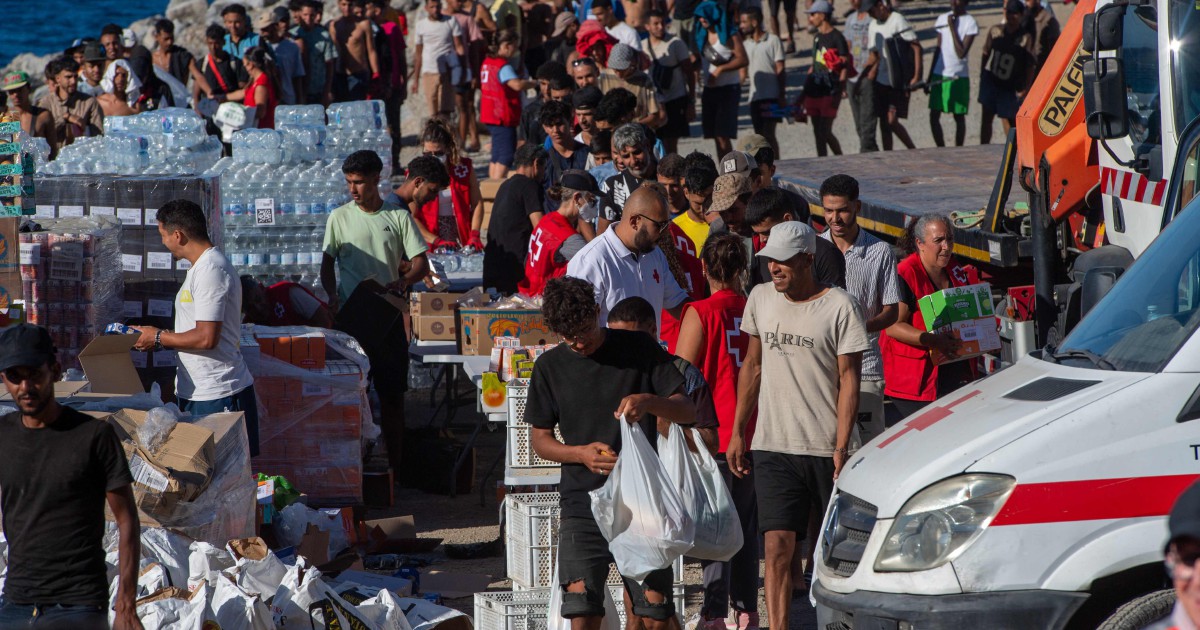
The migrant surge into Ceuta, which occurred during the period referenced by Sanchez, represented one of the most dramatic border incidents in recent European history. Thousands of individuals, predominantly from sub-Saharan Africa and the Middle East, attempted entry into the Spanish territory over a short timeframe, overwhelming local authorities and creating humanitarian and security challenges. The scale and speed of the influx suggested that coordinated misinformation may have created false expectations about access to European territory or safety guarantees, motivating desperate individuals to attempt crossings they might otherwise have avoided.
For Malaysian readers and regional observers, this episode illustrates the broader vulnerability of migration management systems to information warfare. Southeast Asia's own porous borders and complex migration dynamics make the region similarly susceptible to deliberate misinformation campaigns. Thailand, Malaysia, Indonesia, and other regional nations manage substantial migrant populations and refugee flows, and these systems can be destabilized by false narratives about policy changes, entry possibilities, or humanitarian access. The Spanish case demonstrates that even wealthy, well-resourced European democracies struggle to counter state-sponsored disinformation effectively.
The involvement of Russia in disinformation operations aligns with documented patterns of Russian strategic communication aiming to weaken Western unity and exploit societal divisions. Russia has repeatedly weaponized migration as a geopolitical issue, using false narratives to amplify anti-immigrant sentiment and undermine public confidence in government institutions. From the 2016 United States election interference to ongoing European operations, Russian actors have demonstrated sophisticated understanding of how fabricated immigration stories can inflame passions and create political instability. Spain's identification of Russian involvement suggests this pattern has extended to the Mediterranean context.
The alleged Israeli participation in the disinformation campaign presents a more complex analytical puzzle. Israel's traditional interests in European affairs generally center on security cooperation, diplomatic support, and countering antisemitism. However, some analysts argue that Israeli intelligence services may strategically amplify certain narratives to distract from or complicate international scrutiny on other issues. The specific mechanisms by which Israeli actors might have participated in spreading false claims about Spanish migration policy remain unclear from publicly available information, though the allegation underscores the multifaceted nature of contemporary information warfare.
Spanish officials have not yet released comprehensive technical evidence documenting the disinformation infrastructure or identifying specific accounts, platforms, or individuals involved in the campaign. This restraint may reflect ongoing intelligence investigations or diplomatic sensitivities around public accusations against major powers. However, the willingness to name Russia and Israel publicly suggests that Spanish leadership believes the strategic benefits of transparency outweigh the risks of international complications. The move also signals Spain's determination to resist what it perceives as external interference in internal governance matters.
The broader implications for European migration policy are significant. If disinformation campaigns can successfully manipulate large-scale migrant movements, then border security increasingly becomes a problem not just of physical barriers and enforcement capacity but of information control and narrative management. European governments must develop sophisticated capabilities to detect, counter, and inoculate public understanding against false claims about migration policy. This challenge becomes more acute as artificial intelligence and deepfake technologies make creating convincing false content easier and detecting manipulation harder.
For Spain specifically, the Sanchez government faces pressure to strengthen resilience against future information operations while maintaining the bilateral relationship with Morocco that remains essential for migration management. Spanish officials must invest in public communication that clearly explains actual migration policies, preventing vacuum-filling disinformation from taking root. The incident also highlights the importance of international coordination among European allies in identifying and countering foreign interference in migration-related matters.
Looking forward, Spain's experience may influence how other nations frame and address migration crises. Rather than accepting migrant surges as inevitable consequences of humanitarian obligation or economic desperation, governments might increasingly investigate whether foreign actors deliberately manipulated the situation through disinformation. This reframing could shape how policymakers approach border security, international cooperation, and domestic communication strategies around migration. The challenge will be distinguishing between legitimate concerns about information warfare and scapegoating of foreign powers for domestic policy failures.

