Indonesia is deepening its commitment to marine conservation through a partnership with global research organisation OceanX aimed at bolstering management and protection of seven marine national parks under the Ministry of Forestry. The initiative reflects growing regional recognition that protecting coastal ecosystems requires sustained international collaboration and advanced scientific expertise to combat threats ranging from illegal fishing to climate change impacts on biodiversity hotspots throughout the archipelago.
In a separate development, the Indonesian government has clarified its immigration actions against Palestinian national Abdul Karim Raed Miqdad, insisting the deportation proceeded following a legitimate red notice request from Cypriot authorities. Officials emphasised that the individual in question was neither an activist nor a preacher, defusing concerns about the basis for the enforcement action and highlighting the complex intersection between international security protocols and humanitarian considerations in Southeast Asia's increasingly interconnected migration landscape.
Laotian President Thongloun Sisoulith has directed enhanced protection measures for the Xong River, specifically calling for intensified efforts against illegal mining operations while improving urban planning and tourism standards in Vang Vieng. The directive underscores the tension between economic development pressures and environmental preservation that defines governance across the Mekong region, where tourist destinations must balance visitor growth with ecosystem integrity and sustainable resource management to maintain their competitive advantage in the region's tourism economy.
Meanwhile, the Korea International Cooperation Agency has committed US$4.4 million towards strengthening livestock product safety management systems in Laos, targeting improvements across the entire production cycle from farm to consumer. This investment signals how development agencies are increasingly recognising that food security and public health infrastructure in Southeast Asia require comprehensive supply-chain approaches rather than isolated interventions at individual production stages.
Myanmar's Consumer Affairs Department has mandated that all pre-packaged snacks carry labels in the Myanmar language, ensuring local consumers have clear ingredient information and can make informed purchasing decisions. This regulatory approach addresses a fundamental public health concern in Myanmar, where consumer awareness of processed food composition remains uneven and language barriers have historically complicated access to crucial safety information on imported and domestically manufactured products.
Diplomatically, Myanmar and Vietnam have reaffirmed their bilateral partnership, pledging to deepen cooperation across tourism, trade, investment and economic development sectors. These renewed commitments reflect broader patterns of stabilisation in the region's political relationships as Southeast Asian governments seek to strengthen economic ties and establish shared frameworks for addressing shared challenges.
At the Association of Southeast Asian Nations (ASEAN) level, discussions with external partners have centred on energy and food security amid the ongoing Middle East crisis, demonstrating how global geopolitical tensions directly impact regional policy agendas. Southeast Asian economies, heavily dependent on energy imports and vulnerable to disruptions in global supply chains, face mounting pressure to diversify energy sources and strengthen domestic food production resilience to buffer against international shocks.
In the Philippines, Mayor Khymer Olaso suspended classes in all public and private schools in Zamboanga City due to severe weather conditions, a common occurrence in a region prone to typhoons and inclement weather during certain seasons. Such disruptions underscore the ongoing vulnerability of educational systems and economic activity across Southeast Asia to climate-related hazards and the necessity for more robust adaptation strategies.
Singapore's Prime Minister Lawrence Wong announced significant Cabinet changes designed to balance experienced leadership with opportunities for younger office-holders to advance, reflecting succession planning dynamics visible across the region as older-generation leaders begin transitioning power. The manoeuvre addresses concerns about institutional continuity while signalling to younger populations their inclusion in governance processes, a critical consideration in demographically diverse Southeast Asian democracies.
Simultaneously, Singapore maintained its standing as holder of the world's most powerful passport, with citizens enjoying visa-free or visa-on-arrival access to 192 destinations globally. This distinction underscores Singapore's economic and diplomatic influence and creates an aspirational benchmark for other Southeast Asian nations seeking to enhance their citizens' global mobility through stronger international relationships and institutional credibility.
Thailand's Police Commission unanimously approved Pol Gen Samran Nuanma as the country's 16th national police chief, succeeding Pol Gen Kitrat Phanphet at the end of September. Leadership transitions in security institutions carry particular significance in Thailand given the nation's complex political history, making the smooth succession of command positions essential for maintaining institutional stability and public confidence in law enforcement operations.
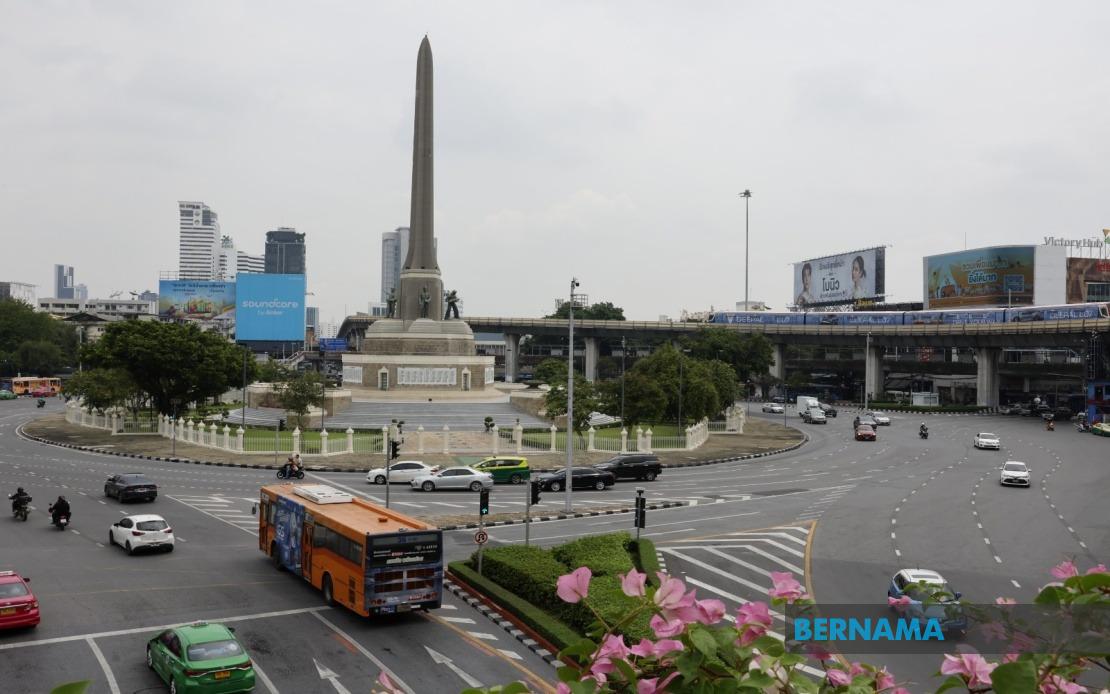
Operational continuity returned to Bangkok when the Airport Rail Link resumed full service after officials cleared a derailed train from its depot in the Khlong Tan area, restoring an essential transport link for the capital's tourism and business sectors. Such infrastructure disruptions, though typically short-lived, highlight the interconnected nature of modern urban systems in Southeast Asia's major cities and the cascading effects when critical transportation networks experience interruptions.
Finally, Vietnamese overseas transfers have shown declining trends, potentially reflecting shifts in labour migration patterns or economic pressures affecting remittance flows that constitute significant income sources for many Southeast Asian households dependent on family members working abroad.

