Indonesia faced a critical humanitarian situation on August 17, 2026, as East Nusa Tenggara Governor Melki Laka Lena declared a 14-day emergency response following a devastating magnitude 7.7 earthquake centred on Flores. The declaration prioritised accelerating rescue and recovery operations while mobilising resources to restore critical infrastructure across the affected province. The seismic event prompted immediate regional solidarity, with Singapore's Prime Minister Lawrence Wong conveying formal condolences to Indonesian President Prabowo Subianto, underscoring the interconnected nature of security and humanitarian concerns across the Southeast Asian neighbourhood.
Beyond the immediate crisis response, Indonesia's political leadership addressed longer-term stability concerns. Coordinating Minister for Political and Security Affairs Djamari Chaniago appealed to all societal stakeholders to maintain peaceful conditions in Aceh and ensure security stability in Papua by channelling political aspirations exclusively through lawful and non-violent mechanisms. This dual focus—managing natural disaster response whilst reinforcing institutional stability—reflects the complex governance challenges facing the archipelago nation.
The region's judicial systems are strengthening cross-border cooperation mechanisms. The 8th Judicial Conference of the Border Provinces of Vietnam, Cambodia and Laos concluded with commitments to deepen legal expertise sharing and collaborative problem-solving on transnational issues emerging from shared frontier regions. This institutional architecture proves particularly valuable as Southeast Asian nations navigate increasingly complex jurisdictional matters involving migration, resource management and security threats that recognise no administrative boundaries.
Laos is positioning itself at the forefront of regional digital transformation. The forthcoming Lao Digital Week 2026, scheduled for October 21–25 in Vientiane, represents an ambitious framework for promoting digital solutions that enhance public service delivery, stimulate business innovation and cultivate artificial intelligence competency among the workforce. Such initiatives reflect Laos's determination to harness technological advancement as a lever for economic development and institutional modernisation.
Myanmar's edible oil sector is receiving strategic support to boost domestic production. The Myanmar Edible Oil Millers Association announced a loan programme targeting companies establishing new soybean oil mills, facilitating mechanised production that addresses national self-sufficiency objectives. Simultaneously, authorities intensified water chlorination protocols across Yangon Region's supply networks, maintaining prescribed residual chlorine levels to safeguard public health and mitigate waterborne disease transmission—demonstrating how systematic public health infrastructure underpins broader development ambitions.
The Philippines experienced typical monsoon activity as the southwest wind pattern, locally termed habagat, brought widespread precipitation across most of the archipelago during mid-August. Meanwhile, the educational sector celebrated sporting achievements as the University of the East and University of the Philippines claimed victories in the 2026 UAAP VALORANT tournament at MVP Studios in Mandaluyong City, reflecting the growing integration of esports within mainstream university competition frameworks.
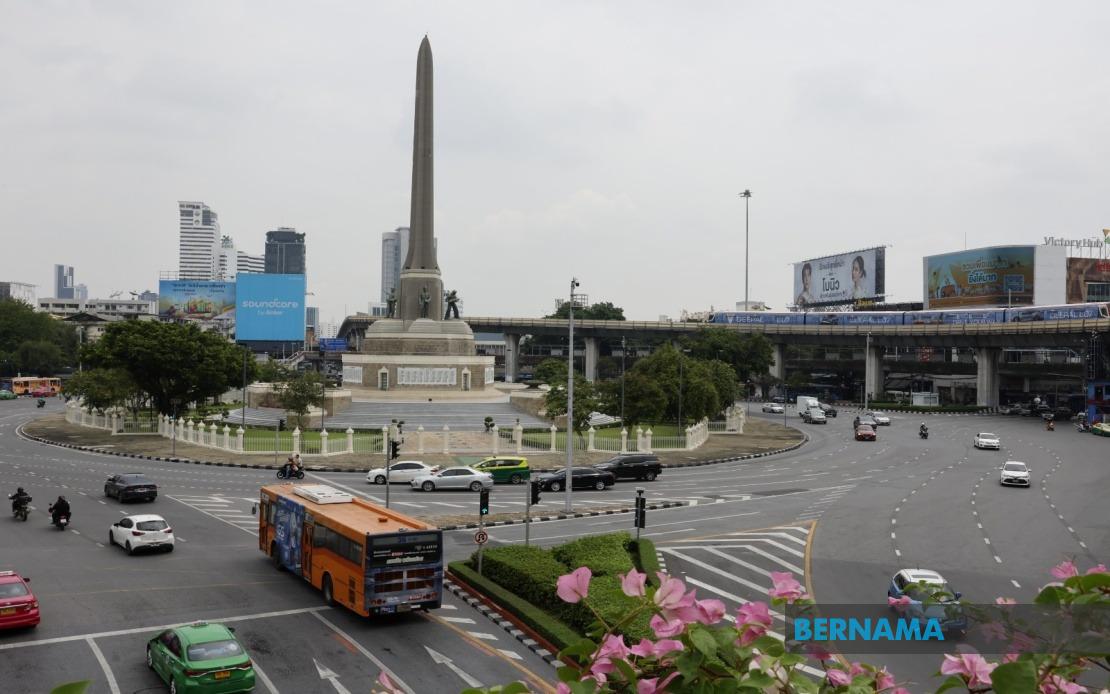
Thailand advanced landmark social policy by operationalising benefit entitlements following the historic marriage equality law. Deputy government spokesperson Ploythalay Laksameesaengjan confirmed on August 15, 2026, that the government prioritised implementing comprehensive benefit protections and modernising service systems to accommodate diverse family structures, signalling institutional commitment to inclusive governance. Beyond domestic reforms, Thailand is positioning itself strategically within Myanmar's infrastructure corridor, expressing keen interest in the long-delayed Dawei deep-sea port project alongside Russian investment participation, underscoring how regional powers leverage port development as geopolitical and commercial anchors.
Vietnam's public health ambitions received international validation when Ho Chi Minh City secured membership in the Cities for Better Health network, becoming the nation's pioneering participant and the 57th city globally to join. This designation reflects commitment to obesity reduction through strengthened disease prevention, enhanced health literacy initiatives and community-wide wellness programmes. Concurrently, Can Tho City is revolutionising administrative service delivery by integrating artificial intelligence infrastructure, deploying smart reception robots, virtual assistants and automated question-answering systems that fundamentally reshape citizen-government interactions.
Across Singapore's financial sector, retail investors are increasingly adopting artificial intelligence brokerage tools to navigate volatile market conditions. Users of platforms including Moomoo, Tiger Brokers and Longbridge are leveraging algorithmic analysis to interpret market dynamics, identify investment opportunities and execute more sophisticated trading strategies, reflecting how technological democratisation reshapes financial participation patterns among urban Southeast Asian populations.
These diverse developments across Southeast Asia reveal a region simultaneously managing acute crises and pursuing systematic modernisation. The earthquake emergency in Indonesia, coupled with judicial cooperation initiatives, digital transformation programmes, healthcare advances and financial innovation across the region, demonstrates how Southeast Asian nations balance immediate humanitarian imperatives with longer-term institutional capacity-building. Infrastructure investments like the Dawei port, public service digitalisation initiatives, and health system improvements constitute investment in regional competitiveness and integration, even as natural disasters and social policy reforms command immediate political attention.
The August headlines collectively illustrate Southeast Asia's complex operating environment. From Indonesia's earthquake response invoking regional solidarity to Laos and Vietnam's digital aspirations, from Thailand's social modernisation to Myanmar's agricultural development strategies, the region pursues multidimensional development trajectories. Success requires simultaneous excellence in crisis management, institutional cooperation, technological adoption and inclusive policymaking—a demanding agenda that will continue shaping the region's trajectory through late 2026 and beyond.

