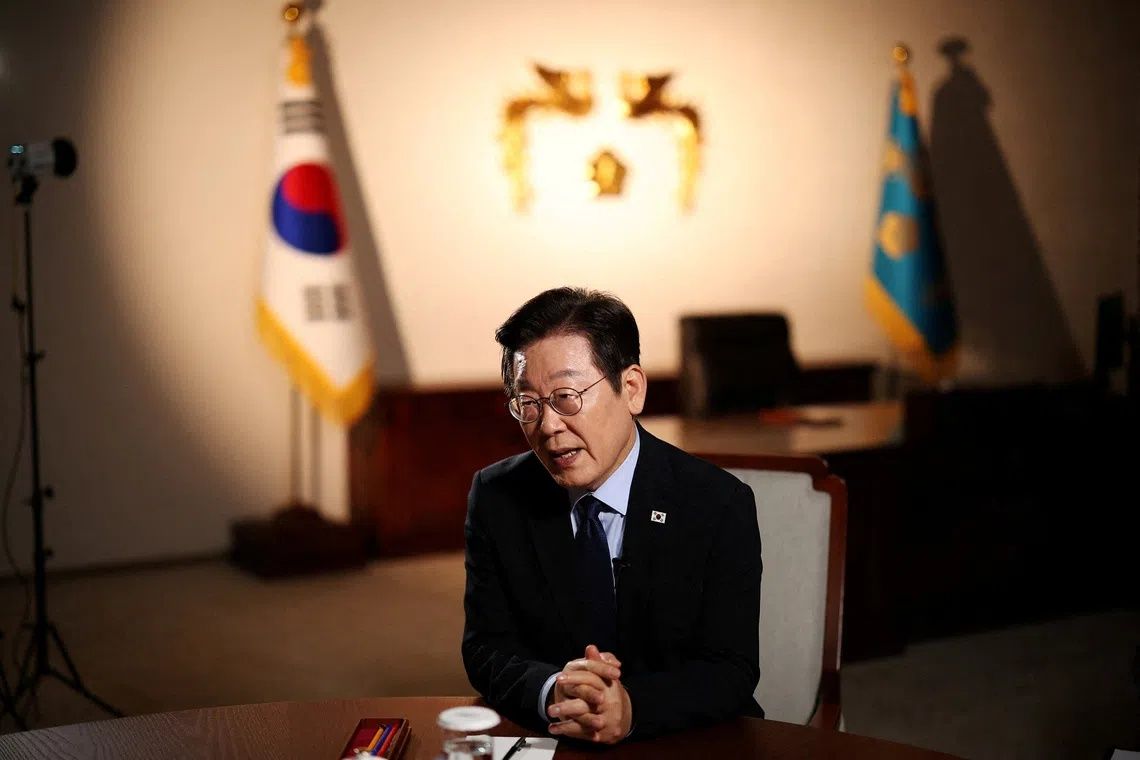
South Korean President Lee Jae Myung is backing a significant overhaul of the country's constitutional framework that would fundamentally reshape the presidency, according to remarks attributed to a Blue House official and reported by Yonhap news agency on Friday. The proposed model would replace the current single five-year presidential term with a four-year term, while permitting sitting presidents to pursue re-election. Alongside these changes, the reform would redistribute executive authority by strengthening the powers of the National Assembly, effectively rebalancing South Korea's institutional architecture.
The initiative represents a pragmatic response to longstanding criticisms of what observers have termed the country's "imperial presidency" system. Advocates of reform argue that the current arrangement concentrates excessive power in the hands of a single leader serving an unrenewable five-year mandate, creating conditions for potential abuse and limiting accountability. By introducing the possibility of re-election coupled with a shorter initial term, supporters contend that presidents would face more immediate electoral consequences for their governance records, thereby strengthening democratic incentives.
According to the Blue House official cited by Yonhap, the four-year model with re-election provisions commands the broadest support among the South Korean public, suggesting substantial popular appetite for constitutional change. This public preference is significant given that constitutional reforms in South Korea require not merely majority backing but consensus-building across the political spectrum. The official further acknowledged that President Lee himself shares these concerns about executive power concentration, indicating that the proposal reflects genuine convictions rather than mere political positioning.
The timing of this proposal carries weight within South Korea's political context. Sitting at the apex of executive authority, a president's willingness to countenance restrictions on presidential power demonstrates either genuine reform commitment or sophisticated political calculation. The emphasis on parliamentary empowerment would transfer meaningful decision-making authority to legislators, who are themselves subject to regular electoral cycles and represent diverse constituencies. This structural shift could enhance governmental checks and balances, making unilateral executive action more difficult.
Implementing such constitutional reform presents formidable procedural hurdles. The South Korean Constitution requires amendments to secure the approval of at least two-hundred members of the National Assembly, a threshold that effectively demands cross-party collaboration and compromise. Single-party dominance cannot impose constitutional change unilaterally, necessitating genuine negotiation and consensus-building. The Blue House official's emphasis on pursuing reform through "political consensus" underscores recognition of these institutional constraints and the need for broad-based political acceptance.
The proposal has direct implications for neighbouring East Asian democracies grappling with similar questions about executive power and democratic governance. Taiwan, which maintains a two-term presidential system with term limits, and Japan, where prime ministerial tenure has historically been constrained, each represent alternative institutional responses to executive authority. South Korea's willingness to pursue constitutional restructuring could influence regional conversations about optimal presidential tenure arrangements and the proper balance between executive stability and democratic accountability.
For Malaysian observers, South Korea's constitutional deliberations offer instructive parallels regarding parliamentary versus presidential systems. While Malaysia operates under a constitutional monarchy with a prime minister wielding executive authority, questions about power concentration and legislative oversight remain pertinent. The South Korean debate illuminates how democracies navigate the tension between providing elected leaders sufficient authority to govern effectively and constraining that authority through term limits, electoral cycles, and institutional checks.
The fiscal and administrative implications of shortening presidential terms warrant consideration. Four-year cycles might encourage shorter-term policy horizons, potentially disadvantaging long-term infrastructure and institutional development projects that require sustained attention across electoral cycles. Conversely, the prospect of re-election could motivate incumbents to pursue popular policies that generate immediate measurable benefits, creating distinct incentive structures compared to the current arrangement where lame-duck dynamics dominate final years of single terms.
The proposal's success ultimately depends on whether political elites across South Korea's divided partisan landscape can subordinate immediate tactical interests to longer-term institutional interests. Constitutional reform requires demonstrating that proposed changes serve the broader body politic rather than advancing particular factional advantages. The Blue House official's framing of reform as addressing legitimate concerns about power concentration rather than benefiting a specific political party represents necessary rhetorical framing for mobilising the consensus required for amendment passage.
As South Korea's National Assembly considers this proposal in coming months, the international community will observe whether a vibrant democracy can successfully restructure its institutions to address accumulated grievances about executive dominance. The outcome will demonstrate whether democracies can undertake substantive self-reform when sitting leaders voluntarily accept constraints on their successors' authority, a relatively uncommon occurrence in global politics. South Korea's experience may provide valuable lessons for other democracies contemplating constitutional modernisation.

