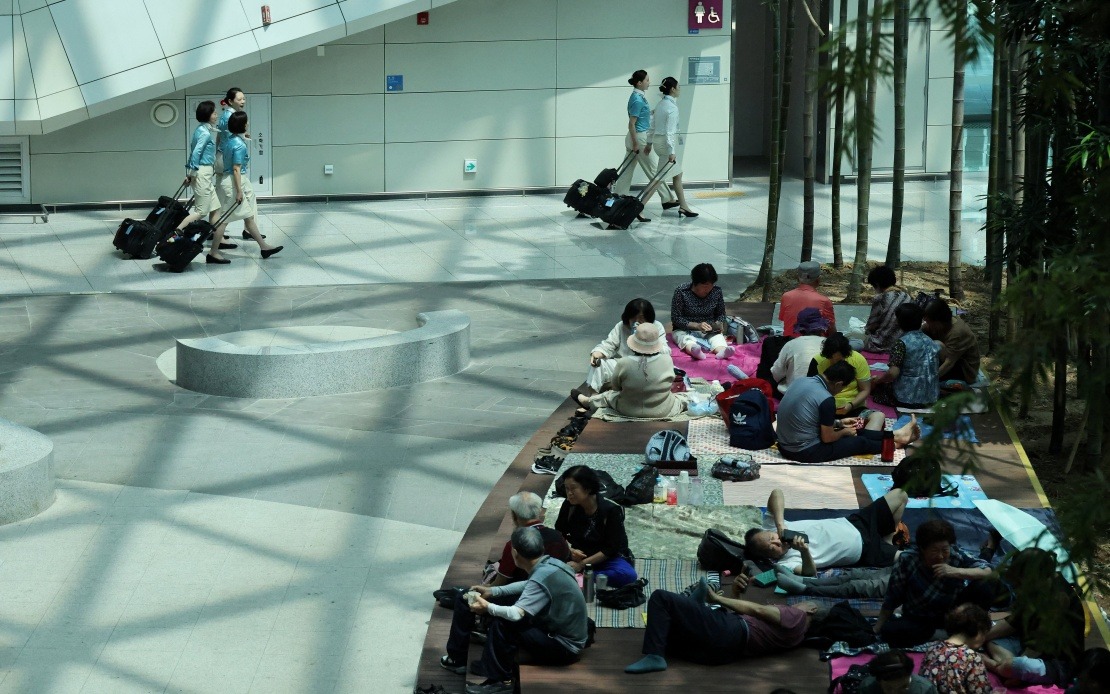
South Korea is grappling with a sharp escalation in heat-related illness cases that reflects the intensifying impact of extreme temperatures across East Asia. Government data analysed by a research institute under the interior ministry reveals that reported cases of heat-induced illness during late summer—the period from ipchu, the traditional astronomical marker for autumn's arrival, through the end of August—have nearly tripled over the past decade. This trend carries significant implications for Southeast Asian nations facing similar climate pressures and health system challenges.
The statistical picture is sobering. Between 2011 and 2015, an annual average of just 215 heat-related patients sought treatment during late summer. This baseline figure climbed dramatically to an average of 658 cases annually during the 2016-2020 period, representing a threefold increase. The most recent five-year period spanning 2021 through 2025 has maintained similarly elevated levels, with an average of 638 cases per year, suggesting that South Korea has entered a new normal characterised by substantially higher heat illness burdens on its healthcare infrastructure.
Mortality figures paint an equally concerning picture. Deaths attributed to heat-related conditions have increased from an annual average of 3.3 fatalities during 2012-2015 to more than four deaths yearly across the 2016-2025 period. In 2024 alone, the crisis has intensified, with 1,299 people suffering heat-related illnesses and 12 dying between ipchu and late August. These numbers underline how extreme heat has transitioned from an occasional summer inconvenience to a public health emergency requiring coordinated governmental response.
The immediate situation unfolding this year demonstrates the ongoing severity. South Korea's meteorological outlook indicates that heat waves will persist through late August, with daytime temperatures expected to hover between 31 and 35 degrees Celsius nationwide. On a single day in early August, emergency rooms across the country treated 202 heat-related patients, with three fatalities recorded, illustrating the daily toll such conditions extract from the population and healthcare systems.
In response to escalating risks, South Korea established a dedicated heat-related illness monitoring system in May, enabling real-time surveillance and rapid response coordination. Since the system's inception, it has documented 3,089 cases and 26 deaths, providing authorities with granular data to inform public health interventions and identify vulnerable populations. This proactive surveillance approach offers a model that developing nations in Southeast Asia, including Malaysia, might consider as they confront their own heat-related health challenges.
The demographic and social dimensions of this crisis warrant particular attention for regional policymakers. Heat-related illnesses disproportionately affect outdoor workers, the elderly, and those without adequate air conditioning access—populations that characterise much of Southeast Asia's workforce and urban poor. South Korea's experience suggests that industrialised nations are not immune to heat health crises; rapid urbanisation and ageing populations can amplify vulnerability despite advanced healthcare systems.
Climate scientists attribute this surge partly to shifting seasonal patterns and intensified heat waves linked to atmospheric circulation changes and potentially broader climate change dynamics. The extension of summer's thermal extremes into traditionally cooler periods places additional strain on emergency medical services and requires recalibration of public health preparedness timelines and thresholds.
For Malaysia and other ASEAN members, South Korea's epidemiological trajectory offers cautionary insight. The region already experiences consistently high temperatures and humidity, yet heat-related illness data collection and public awareness remain underdeveloped compared to South Korea's systematic approach. As urbanisation accelerates and average temperatures potentially rise, adopting early warning systems and heat action plans modelled on Korean experience could mitigate future health burdens.
The economic implications extend beyond immediate healthcare expenditures. Heat-induced productivity losses, particularly among outdoor and informal sectors prevalent throughout Southeast Asia, represent a substantial but often uncounted economic drag. South Korea's experience suggests that investment in heat monitoring and worker protection yields returns through reduced absenteeism and improved occupational safety.
Governmental coordination emerges as critical from the Korean case. The involvement of interior ministry research institutes, disease control agencies, and emergency response systems demonstrates that heat health management requires whole-of-government commitment rather than isolated public health initiatives. This integrated approach—combining surveillance, early warning, public communication, and emergency preparedness—offers a template applicable across diverse governance contexts in the region.
As South Korea continues navigating this summer's heat challenge, its data collection and response mechanisms illuminate both the scale of emerging climate health risks and the feasibility of systematic mitigation. For policymakers across Southeast Asia confronting similar atmospheric pressures, the tripling of heat illness cases should prompt urgent reflection on current preparedness and impetus for establishing monitoring and response infrastructure now, before crises necessitate reactive rather than preventive measures.

