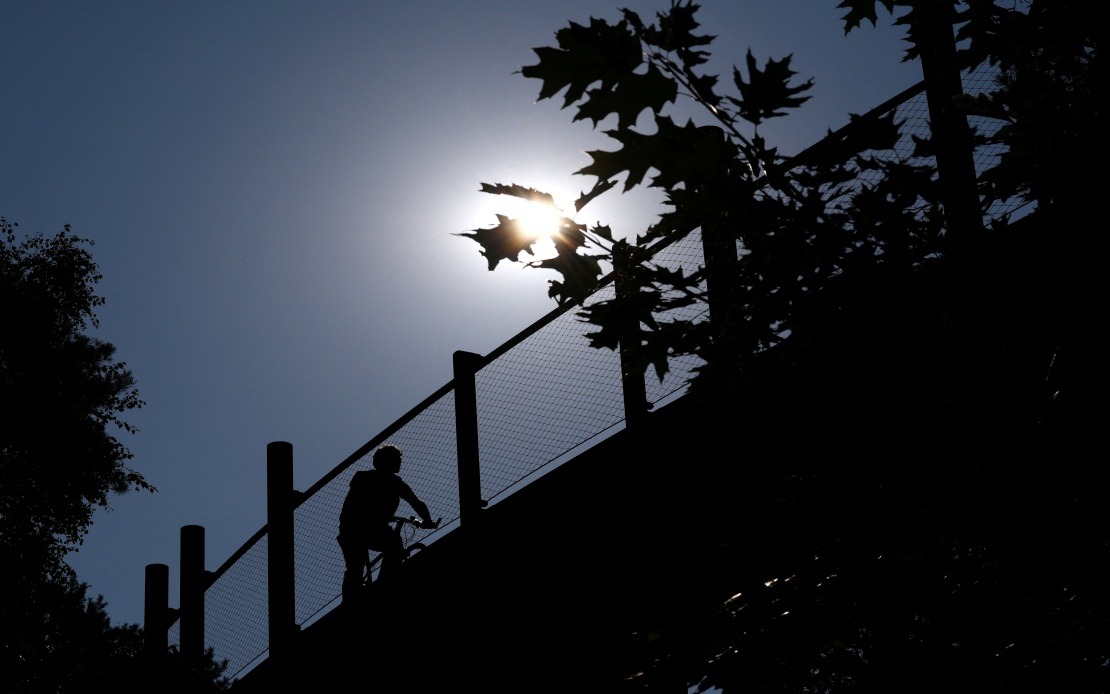
South Korea is confronting a mounting public health crisis as the nation's heat-related death toll climbs to 21 for the year, with health authorities warning of dangerous conditions persisting across the country. The Korea Disease Control and Prevention Agency confirmed the grim milestone on Wednesday, underscoring how extreme weather is claiming lives at an accelerating pace. The latest victim was a 60-year-old man who collapsed while working outdoors on a farm in Eumseong, North Chungcheong Province, on Tuesday, illustrating the particular vulnerability of outdoor workers during peak summer months.
What distinguishes this year's crisis from previous heat waves is a troubling reversal in the relationship between case numbers and fatalities. Through early August, the nation's emergency rooms have treated 2,441 patients for heat-related illnesses since the Korea Disease Control and Prevention Agency activated its surveillance system in mid-May. This represents a decrease compared to the same period in 2023, suggesting that awareness campaigns and public precautions may be reducing overall exposure. Yet the death count has surged past last year's total of 20, indicating that those who do succumb to heat-related conditions face more severe complications and reduced chances of survival.
The composition of reported cases reveals the varied ways extreme heat harms human physiology. Heat exhaustion, the less severe condition characterised by dizziness, weakness, and profuse sweating, accounted for 61.7 per cent of all cases. Heat stroke, a life-threatening emergency in which the body's core temperature spirals dangerously out of control, represented 16.8 per cent of cases. Heat cramps, caused by electrolyte depletion during heavy exertion in high temperatures, made up 11.5 per cent. The concentration of cases among heat exhaustion diagnoses suggests many patients reach hospital care before progression to fatal heat stroke, yet the rising death toll indicates that intervention is sometimes too late for the most vulnerable populations.
Seoul and its surrounding metropolitan region have emerged as flashpoints for the heat crisis, prompting the state weather agency to issue maximum-level heat wave alerts covering 43 per cent of the greater Seoul area. The capital is bracing for temperatures forecast to exceed 39 degrees Celsius on Thursday, creating conditions that pose acute risks for the elderly, those with chronic illnesses, and economically disadvantaged individuals with limited access to air conditioning. The concentration of heat alerts in South Korea's most densely populated region raises concerns about the capacity of public shelters and cooling centres to accommodate everyone seeking refuge from the extreme temperatures.
For Malaysia and other Southeast Asian nations monitoring South Korea's experience, this heat crisis offers sobering lessons about climate adaptation and vulnerability. South Korea, despite being a wealthy developed nation with advanced healthcare infrastructure, cannot prevent rising heat mortality rates through technology alone. The disconnect between declining case numbers and rising fatalities suggests that those most exposed to heat—outdoor workers, agricultural labourers, and economically marginalised groups—face structural barriers to accessing timely medical care. Malaysia's own experience with equatorial heat and the concentration of outdoor workers in construction, agriculture, and informal sectors mirrors South Korea's demographic risk factors, underscoring the need for proactive occupational health regulations and heat-relief policies tailored to vulnerable worker populations.
The broader implications extend beyond immediate public health response to encompass long-term climate adaptation strategy. South Korea's experience demonstrates that even as overall exposure to heat-related conditions might decline through awareness and prevention, the intensity of extreme heat events appears to be increasing, with more people dying per case reported. This pattern aligns with projections from climate scientists who anticipate that while heat waves may become less frequent in some regions, those that do occur will be more severe and potentially more deadly. The trend should prompt policymakers across Southeast Asia to examine whether current heat emergency protocols are calibrated for the escalating severity of future conditions.
Occupational safety regulations require urgent review across the region, particularly regarding outdoor work during peak heat hours. South Korea's farm worker fatality underscores how agricultural and construction sectors face disproportionate risk, often with inadequate access to shade, hydration, and rest breaks. Malaysia's tropical climate means outdoor workers face year-round heat exposure, yet labour regulations frequently lack robust provisions for heat stress management. Strengthening workplace standards, enforcing mandatory rest periods during dangerous heat conditions, and mandating employer provision of cooling facilities could prevent fatalities among workers least able to control their working conditions.
Underlying South Korea's heat crisis is the reality that certain populations face compounded vulnerability. Elderly residents living alone without access to adequate cooling, individuals with chronic cardiovascular or respiratory conditions, and low-income households unable to afford air conditioning represent the most at-risk groups. Public health systems must develop targeted intervention strategies identifying vulnerable individuals before dangerous heat events occur, rather than responding only when emergencies develop. Community-based cooling centres, regular welfare checks on elderly residents, and subsidised access to cooling technology for low-income households represent practical investments that could save lives.
The timing of South Korea's heat emergency—occurring in early August when summer temperatures typically peak—suggests that extreme heat conditions may become the normal rather than exceptional weather pattern. Regional nations should anticipate that prolonged heat waves lasting weeks rather than days will become more common, straining both public infrastructure and healthcare systems. Energy demand for air conditioning will intensify, creating grid stability challenges and elevated carbon emissions that further accelerate climate change. This feedback loop means that adaptation responses must address not only immediate health impacts but also the broader energy and environmental consequences of responding to ubiquitous extreme heat.
Government coordination across weather forecasting, emergency management, public health, and occupational safety agencies will determine whether rising heat death tolls can be reversed. South Korea's deployment of maximum-level heat wave warnings demonstrates institutional awareness of the threat, yet the persistence of fatalities despite these alerts indicates that warnings alone prove insufficient. Implementation gaps—between alert issuance and actual protective measures reaching vulnerable populations—represent the critical challenge. Malaysia and neighbouring countries should evaluate whether their multi-agency frameworks for heat emergency response possess the coordination, resources, and authority to ensure that warnings translate into tangible protection for those most at risk of heat-related illness and death.

