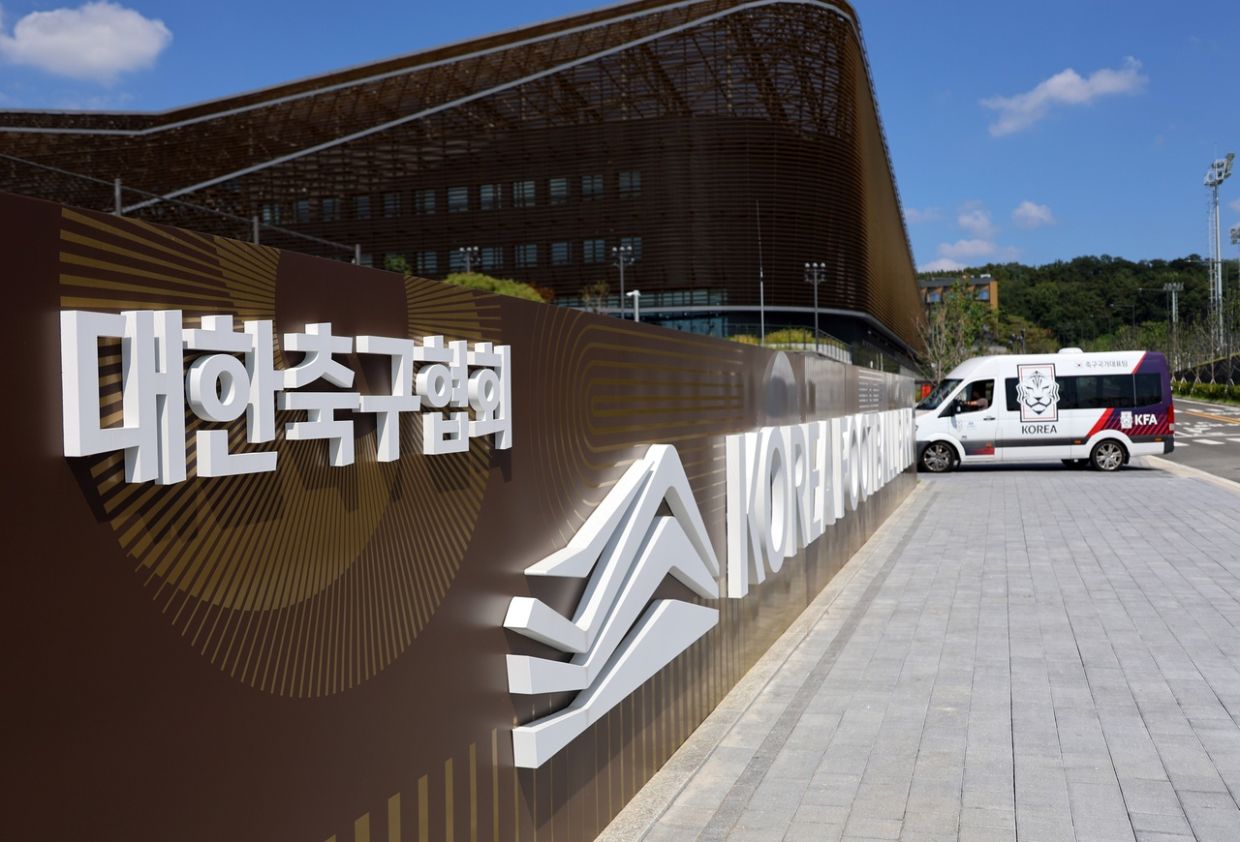
The Korea Football Association's deepening scandal over alleged sexual favours extended into the international arena on Sunday when Japan's football governing body confirmed it had launched its own investigation into four Japanese referees implicated in the affair. The spread of the controversy beyond South Korea's borders marks a significant escalation in what has become a severe reputational crisis for the KFA, which issued a formal public apology only the previous day as pressure mounted from multiple quarters.
The allegations centre on a 2016 government audit conducted by South Korea's Ministry of Culture, Sports and Tourism that had remained largely dormant until resurfacing recently following investigative reporting by the Korean broadcaster JTBC on August 6. According to the audit findings, the KFA improperly utilised corporate credit cards on eight separate occasions to arrange entertainment at massage parlours for approximately ten foreign referees and match commissioners between March 2011 and March 2012. These individuals were connected to seven matches held on South Korean soil, comprising three World Cup qualifiers and Olympic qualifying contests alongside four friendly internationals.
The revelations have triggered widespread concern about the integrity of those fixtures, particularly given that the national team compiled an impressive record of five wins and two draws across those seven encounters. Such a dominant result during the window in question has naturally raised uncomfortable questions about whether match outcomes may have been compromised through improper influence, though South Korean football officials have consistently and firmly denied any suggestion that sporting results were affected by the entertainment arrangements.
Japan's football association moved swiftly to address its own institutional exposure to the scandal. The Japan Football Association confirmed that it is conducting a thorough investigation into the four Japanese referees in question and indicated its intention to make public its conclusions once the inquiry reaches completion. This action reflects the serious manner in which Japanese football authorities are treating the matter and their commitment to determining precisely what involvement, if any, their officials may have had in the payments arrangement.
Japanese media outlets have already published the names of two referees allegedly connected to the audit, drawing particular attention to one individual who currently holds the senior position of referee manager within the JFA, overseeing officials working in Japan's top-flight J-League. Another referee identified in Japanese reporting served as head of the four-member, all-Japanese officiating crew during South Korea's 2012 World Cup qualifier victory over Kuwait—a specific match the audit documents as having included entertainment payments allocated for two referees. However, some Japanese commentators have raised an important caveat: the fact that a referee officiated a match does not necessarily establish that the individual personally received any form of entertainment or improper benefit.
The KFA's official apology, issued on Saturday amid mounting domestic and international pressure, acknowledged the seriousness of the situation while framing the conduct as historical rather than ongoing. The association stated it was "deeply sorry for the disappointment and concern caused by the various issues and controversies surrounding the association" and explicitly stated that it did not condone the past conduct in question. In an attempt to restore public confidence, the KFA pledged to undertake sweeping institutional reforms aimed at increasing transparency throughout its operations and governance structures.
The apology came at a particularly fraught moment for the South Korean football body, which faces additional scrutiny from multiple directions. A parliamentary hearing into the KFA's governance was scheduled as the scandal intensified, while police executed a raid on the association's offices the previous week connected to a separate controversy involving the appointment of former national team coach Hong Myung-bo in 2024. These concurrent investigations have compounded the KFA's institutional difficulties and contributed to a broader erosion of confidence in the organisation's leadership and decision-making processes.
International observers have speculated about potential consequences under global football governance structures. The International Business Times UK raised the prospect of FIFA sanctions and demands for governance reforms, reflecting concern that a major football federation might face formal discipline from world football's governing body. However, analysts who follow international football governance have cautioned that formal FIFA punishment appears unlikely given the technical limitations of football's existing regulatory framework.
FIFA's ethics code generally establishes statute of limitations periods ranging from five to ten years for most forms of misconduct, which would render the 2011-2012 conduct substantially outside any enforcement window. More significantly, the entertainment payments scenario does not appear to fall within the narrower category of offences carrying unlimited statute of limitations, which typically applies exclusively to sexual abuse or exploitation cases meeting stricter definitional criteria. Furthermore, the passage of more than a decade means that the majority of referees named in the audit have since retired from professional officiating, which further complicates any disciplinary process.
A related criminal investigation conducted by South Korean authorities into the matter was previously terminated due to insufficient evidence to establish criminal wrongdoing. This development suggests that even pursuing the allegations through formal legal channels proved difficult, underscoring the investigative challenges inherent in establishing improper conduct that occurred over a decade ago and involving individuals across different jurisdictions. Nevertheless, the reputational damage to South Korean football and the questions raised about institutional integrity promise to linger well beyond any formal investigation or disciplinary process.

