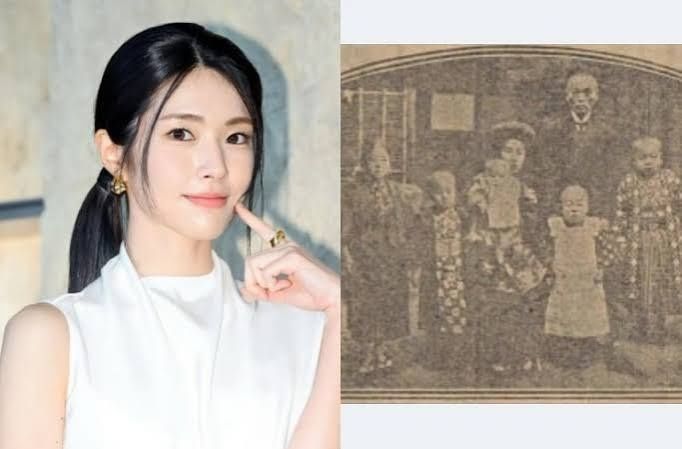
South Korea's genealogy website has become the unexpected focal point of a national conversation about colonial-era history after actress Ahn Ha-young encountered intense public criticism regarding her family's past connections to pro-Japanese collaborators. The controversy, which erupted just days before the country commemorates its Liberation Day on August 15, has triggered an unprecedented wave of South Korean citizens seeking to investigate their own ancestral records and historical backgrounds, revealing deep national sensitivities around Japan's occupation period and collaborative activities.
The platform, whose name translates to "in search of roots" in Korean, provides genealogical information covering 287 distinct family lineage groups throughout South Korea, tracking their origins, historical significance, and current population distributions. The website typically serves researchers, family historians, and those interested in understanding Korea's social structure through clan divisions and ancestral connections. However, the sheer volume of traffic generated by public interest in Ahn's family history created technical strain that overwhelmed the site's server capacity, causing multiple outages during the evening of August 12 and continued intermittent crashes on August 13.
The genesis of the controversy centered on Ahn Ha-young's public comments about her great-grandfather, whom she described as a pioneering physician who established Seoul's first Western-style medical clinic and provided treatment to Emperor Gojong during the late 19th and early 20th centuries. The actress had spoken with evident pride about this family achievement during a television appearance, positioning her ancestor as a significant historical figure in Korea's modernization. However, the situation escalated rapidly when online users began raising allegations that Ahn Sang-ho, the actress's ancestor in question, had maintained ties or associations with individuals known to have collaborated with Japanese colonial authorities during the occupation period.
Initially, Ahn Ha-young's agency responded defensively to these allegations, issuing categorical denials that her family held any such compromising historical connections. This defensive posture, however, proved counterproductive, as it prompted intensified scrutiny from internet users determined to uncover historical documentation regarding Ahn Sang-ho's activities and associations during the colonial administration. The subsequent flurry of genealogy searches reflected a broader phenomenon where South Korean citizens became motivated to verify their own family histories, apparently driven by both concern about potential family connections to collaborators and general curiosity about how the colonial period affected their own ancestry.
The timing of this controversy carries particular weight in the South Korean calendar and national consciousness. August 15 represents Gwangbokjeol, or Liberation Day, marking the exact moment when Korea achieved independence from Japanese imperial rule in 1945 after 35 years of occupation. This date remains emotionally significant for Korean society, serving as an annual opportunity for national reflection on colonial trauma, resistance movements, and the price of liberation. That a major ancestry scandal should surface just before this commemorative period amplified its resonance and connected contemporary celebrity culture directly to historical reckoning and collective memory.
On August 12, Ahn Ha-young issued a public apology addressing the mounting criticism, stating that she had been genuinely unaware of her family's historical involvement and expressing regret for having spoken publicly with pride about her ancestor's achievements without understanding the complete context. Her statement represented an acknowledgment that family narratives, particularly those passed down through generations, may omit or obscure aspects of history deemed shameful or controversial. The apology also reflected broader societal understanding that individuals in contemporary Korea cannot be held personally culpable for ancestors' actions, yet public figures merit heightened scrutiny regarding how they represent and discuss their family histories.
The incident illustrates how genealogy and family history, typically matters of private interest, can become matters of intense public concern when they intersect with nationally sensitive historical periods. South Korea's colonial past remains a touchstone for national identity, and questions about collaboration with Japanese authorities touch deeply embedded questions about loyalty, survival, and moral compromise. The website traffic surge demonstrates that many South Koreans harbor concerns or curiosity about their own family connections to the colonial period, suggesting that Ahn Ha-young's case has crystallized broader anxieties about hidden family histories.
For Malaysian and broader Southeast Asian readers, this development carries relevance beyond celebrity gossip. Many regional countries experienced colonial rule by various powers and continue grappling with how to memorialize and understand these periods. The South Korean example shows how contemporary society can confront historical legacies through public accountability and genealogical transparency, even when uncomfortable truths emerge about prominent families. It also demonstrates the power of digital platforms to facilitate historical research and collective memory-making at national scale.
The genealogy website's technical crashes, while temporarily frustrating for users, underscore the genuine appetite among ordinary South Koreans to understand their ancestral connections and verify their families' historical records. This surge represents more than momentary celebrity scandal interest; it reflects a maturing democratic society where citizens feel empowered to investigate historical claims and hold public figures accountable for how they represent the past. As South Korea approaches Liberation Day, the controversy ensures that questions about collaboration, complicity, and moral responsibility during the colonial era remain actively examined rather than relegated to academic historical discourse.

