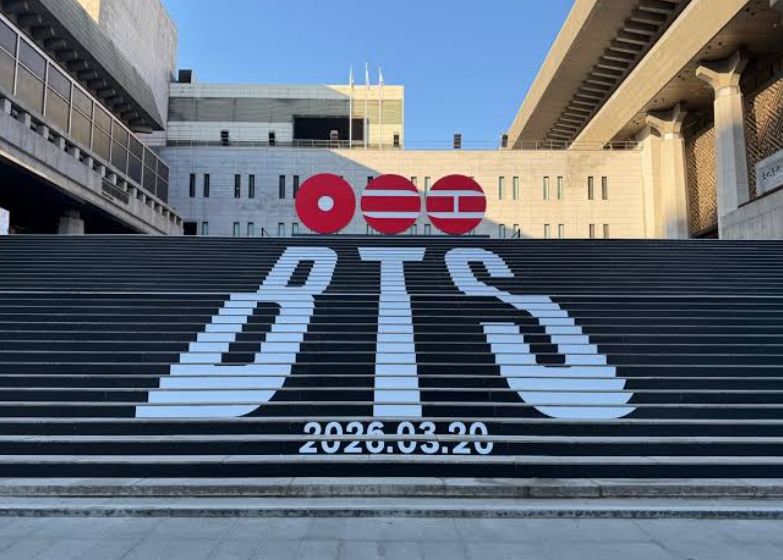
South Korean authorities have referred a woman in her 30s for prosecution after discovering she allegedly orchestrated an extensive ticket-scalping operation targeting some of the country's most popular K-pop concerts. The Seoul Metropolitan Police Agency announced on August 26 that the suspect systematically used sophisticated macro software to circumvent purchase restrictions and amass approximately 2,600 tickets over a nearly three-year period, including nine highly coveted seats to BTS' Gwanghwamun performance scheduled for March 2026. The case exemplifies the persistent challenge regulators face in combating digital fraud within South Korea's booming entertainment industry, where demand for concert tickets far outstrips legitimate supply.
The mechanics of the operation reveal the technical sophistication behind modern ticket-scalping schemes. Rather than relying on manual purchasing or basic bots, the suspect deployed automated programmes capable of completing online transactions at speeds impossible for human buyers. Crucially, she circumvented the standard safeguards that most K-pop concert promoters implement—namely, per-person purchase limits typically capped at one or two tickets per performance date. By creating accounts registered under the names of family members and acquaintances, she generated a network of identities through which the macro software could execute its purchases, effectively multiplying her buying power while remaining below detection thresholds.
Police investigations traced the scalping activity back to April 2023, establishing a continuous pattern spanning more than three years until March 2026. During this window, the suspect systematically targeted performances by multiple K-pop artists, purchasing tickets immediately upon release when demand peaked and prices remained at face value. She subsequently resold these tickets on secondary markets at substantially elevated rates, exploiting the desperation of fans unable to secure seats through official channels. The breadth of the operation—involving thousands of individual transactions across numerous artists and venues—suggests a deliberate, profit-driven enterprise rather than opportunistic reselling by an ordinary fan.
The breakthrough in the investigation occurred on February 23 when police detected suspicious purchasing patterns during ticket sales for the highly anticipated BTS Gwanghwamun concert. Recognizing the exceptional demand and vulnerability to coordinated fraud, authorities had already established close coordination with the ticketing platform to monitor reservation activity in real time. This enhanced surveillance allowed police to identify the suspect's accounts and transactions before she could complete the illegal resale chain. By intervening at this critical juncture, law enforcement prevented the nine BTS tickets from entering secondary markets, though the suspect had already accumulated thousands of tickets from earlier operations.
Financial investigations quantified the scope of the illegal enterprise. Authorities estimate the woman generated approximately 442 million won—roughly US$319,000—in illicit proceeds through her ticket-scalping activities. This substantial figure reflects not merely a few opportunistic transactions but rather a systematised, revenue-generating operation conducted at commercial scale. The Seoul Metropolitan Police Agency subsequently petitioned for a pre-indictment seizure and preservation order, effectively freezing the identified proceeds to prevent the suspect from liquidating or transferring assets before trial. Such orders represent a standard prosecutorial tool designed to ensure that criminal gains cannot be dissipated through the defendant's actions during legal proceedings.
The charges filed against the suspect encompass multiple statutory violations reflecting the multifaceted nature of her conduct. These include breaches of the Information and Communications Network Act—which criminalises unauthorised use of automated systems to access computer networks—obstruction of business under general criminal law, and violations of the Public Performance Act that specifically governs concert administration and ticket sales. This layered charging approach strengthens prosecutors' position by creating multiple independent bases for conviction, complicating any defence strategy that might challenge a single charge.
Simultaneously, authorities disclosed a parallel investigation in Ulsan involving a separate suspect in his 30s who had independently developed comparable macro-based ticket-scalping infrastructure. This individual allegedly targeted more than 1,700 K-pop concert tickets between November 2024 and October 2025, reselling them at prices ranging from three to thirteen times their original value. The scheme generated approximately 420 million won in unlawful profits, demonstrating the economic incentives driving repeated similar crimes across South Korea's entertainment ecosystem. The existence of multiple independent operations suggests this has become an established criminal niche rather than isolated incidents.
These prosecutions arrive at a pivotal moment for South Korean policymakers confronting digital fraud in entertainment commerce. Beginning August 28—just two days after the announcement—substantially revamped legislation took effect, introducing markedly harsher penalties for illegal ticket resales. Under the revised Public Performance Act and National Sports Promotion Act, authorities now possess discretion to impose administrative fines reaching fifty times the face value of illegally resold tickets. This dramatic escalation from previous penalty structures signals governmental determination to deter and dismantle organised scalping operations through economic consequences sufficiently severe to offset projected profits.
The timing suggests deliberate coordination between enforcement actions and legislative implementation. By publicly announcing prosecutions immediately before tougher penalties activate, South Korean law enforcement underscores the seriousness of violations while signalling to potential offenders that both criminal prosecution and administrative penalties now await ticket-scalping activity. The administrative fine provision proves particularly significant because it operates independent of criminal conviction, allowing authorities to impose financial consequences even when criminal charges face evidentiary obstacles or procedural delays characteristic of Korean courts.
For Malaysian and Southeast Asian readers, these cases illuminate challenges shared across the region's rapidly expanding entertainment sectors. As K-pop's popularity extends throughout Southeast Asia, scalping operations have proliferated in concert promotions across Indonesia, Thailand, Vietnam, and the Philippines. The technological sophistication demonstrated in the Seoul case—particularly the use of macro programmes and account networks—represents transferable knowledge accessible to potential offenders across jurisdictions where comparable concert ticket demand exists. Regional governments monitoring these developments may consider whether similar legislative and enforcement frameworks would prove effective in their own markets.
The broader implications extend to questions of market access and consumer fairness within Korea's entertainment ecosystem. When sophisticated operators monopolise limited ticket supplies through technological means, ordinary fans face artificially inflated prices and reduced opportunity to experience performances at reasonable costs. This dynamic potentially suppresses concert attendance among price-sensitive demographics while concentrating wealth transfers to scalpers rather than artists or promoters. The prosecutions represent governmental attempts to preserve competitive, transparent ticket markets benefiting consumers rather than exploitative intermediaries.
Looking forward, the escalating legal consequences and enhanced enforcement coordination create an environment increasingly hostile to large-scale ticket-scalping operations. However, the rapid emergence of alternative schemes—as evidenced by the simultaneous Ulsan case—suggests that determined offenders will continuously adapt tactics to circumvent regulatory measures. Korean authorities will likely require ongoing technological innovation in their own monitoring systems, combined with sustained international cooperation addressing cross-border scalping networks that may exploit regulatory gaps in less vigilant jurisdictions.

