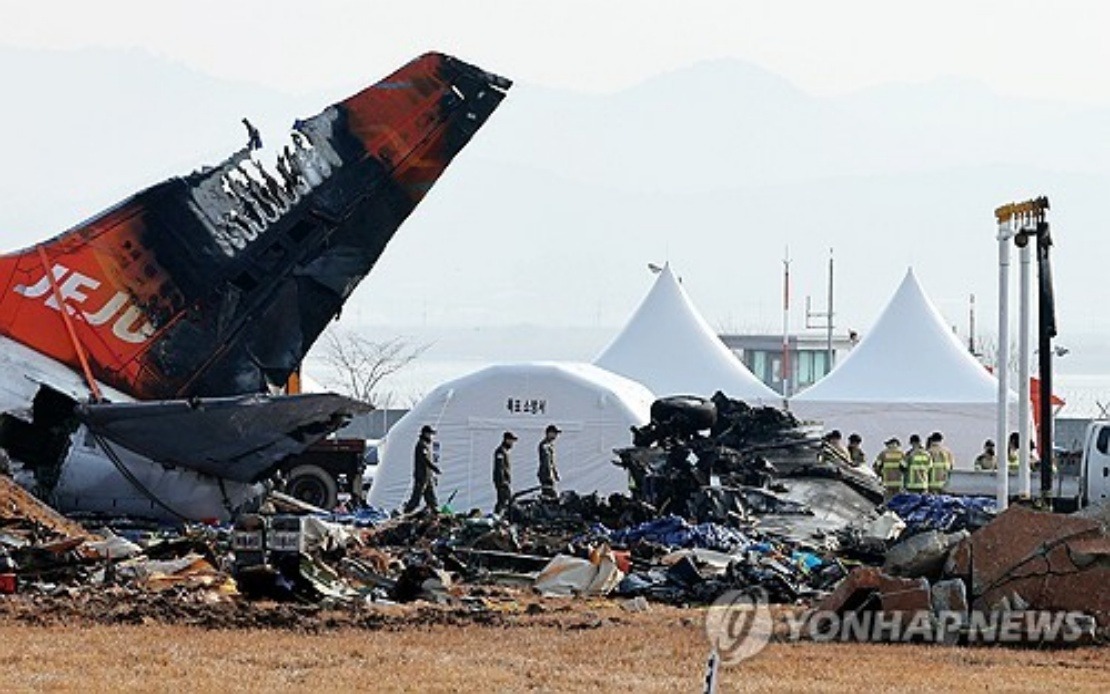
South Korean authorities have moved to prosecute seven officials from the transport ministry following an investigation into their alleged role in concealing critical safety failures connected to last year's catastrophic Jeju Air disaster. Police referred the officials to prosecutors on Tuesday, according to reports from Yonhap News Agency, marking an escalation in accountability measures surrounding one of the aviation industry's deadliest recent incidents.
The tragedy occurred on December 29, 2024, when Jeju Air flight 2216 attempted an emergency landing at Muan International Airport, located approximately 290 kilometres south of Seoul. During the belly landing procedure, the aircraft struck a concrete structure housing a localiser—a specialised navigation system designed to guide pilots during the approach and landing phase. The impact proved catastrophic, claiming 179 lives among passengers and crew members aboard the Boeing 737-800.
Investigators discovered that the seven officials had prepared and distributed official press statements asserting that the localiser's installation complied with all applicable regulations and safety standards. However, evidence gathered by a special police investigation team indicates the officials knowingly issued these statements despite possessing information that the equipment did not meet the full requirements of relevant safety protocols. This alleged misrepresentation constitutes a serious breach of public trust and regulatory accountability.
The placement of the localiser within the concrete mound immediately became a focal point of public scrutiny and technical analysis following the disaster. Aviation experts and investigators questioned whether this specific installation configuration contributed significantly to the severity of the crash outcome. The concrete structure's presence at the crash site raised concerns about whether airport design and equipment placement decisions had been adequately reviewed against safety best practices.
For Malaysian and Southeast Asian aviation stakeholders, this case carries important implications. The incident highlights how bureaucratic failures and alleged cover-ups can compound technical or operational mishaps, ultimately affecting passenger safety. Regional carriers operating across Asia-Pacific airspace depend on standardised safety protocols and transparent regulatory compliance. When officials anywhere in the region allegedly manipulate public communications about safety equipment, it undermines the collective confidence that airlines, airports, and passengers place in regional aviation governance.
The special police investigation team's findings suggest a systemic issue rather than isolated misconduct. The coordinated nature of the alleged cover-up—involving multiple officials and formal press communications—points to possible institutional pressure or institutional tolerance for circumventing regulations. Such patterns, if established in prosecution, could trigger broader reviews of how transport ministries across Asia oversee compliance and enforce accountability among their personnel.
This development also raises questions about the adequacy of internal checks within government agencies responsible for aviation safety. If seven officials could collectively issue misleading statements about critical safety infrastructure without detection or internal challenge, this suggests gaps in oversight mechanisms that other nations might examine within their own regulatory structures. The South Korean authorities' pursuit of prosecution indicates a commitment to establishing consequences for such breaches, setting a precedent that may influence how other governments approach similar violations.
The case reflects a broader tension in aviation regulation between technical compliance and practical implementation. Equipment can theoretically meet standards while its operational context—such as proximity to hazards or integration with airport infrastructure—creates unforeseen risks. The alleged failure to disclose the localiser's incomplete compliance suggests officials may have prioritised administrative convenience over substantive safety assurance, a distinction with serious ramifications when lives depend on accurate information.
For passengers and aviation professionals across Southeast Asia, the case underscores why transparency in regulatory processes matters beyond bureaucratic principle. The families of the 179 people killed in the Jeju Air disaster deserve accountability not only for technical failures but for governmental misrepresentation of safety conditions. Regional aviation authorities might use this precedent to strengthen their own mechanisms for internal reporting, whistleblower protection, and independent verification of safety compliance claims.
The prosecution referral represents a significant stage in the accountability process, though conviction and sentencing remain pending. South Korean prosecutors will now determine whether the evidence supports charges and what legal consequences officials should face. The broader investigation continues to examine other aspects of the crash, including pilot actions, weather conditions, and potential maintenance issues. However, the focus on alleged regulatory deception signals that authorities view the cover-up as a serious matter warranting separate and parallel investigation.
As the South Korean justice system proceeds with this case, aviation regulators throughout Asia will likely monitor the outcomes closely. The prosecution of government officials for misrepresenting safety compliance could establish important precedent regarding personal accountability for regulatory failures. For Malaysian aviation stakeholders, policymakers, and the flying public, the case serves as a cautionary example of how institutional failures compound human tragedy, and why rigorous oversight of both technical systems and the officials overseeing them remains essential to aviation safety.

