A South Korean teenager has escalated concerns about in-flight entertainment standards by lodging a formal complaint with the government, highlighting a growing tension between passenger freedom and child protection in the aviation sector. The petition, submitted through Petition 24—a platform operated by the Ministry of the Interior and Safety—draws attention to the challenges families face when travelling by air, where exposure to unsuitable content occurs in a confined environment beyond parental control. The incident underscores broader questions about content regulation in shared spaces and raises practical concerns for airlines operating across the region.
The petitioner, identified as a middle school student, described their distressing experience during a recent flight, noting that despite attempting to avoid watching, the combination of graphic violence and adult themes proved impossible to ignore from their seat. What made the situation more troubling was that the exposure extended beyond the teenager themselves; their younger sister, then in fourth grade of elementary school, also witnessed portions of the objectionable material. This family-wide exposure to age-inappropriate content forms the emotional core of the complaint and explains the urgency behind the request for systemic change.
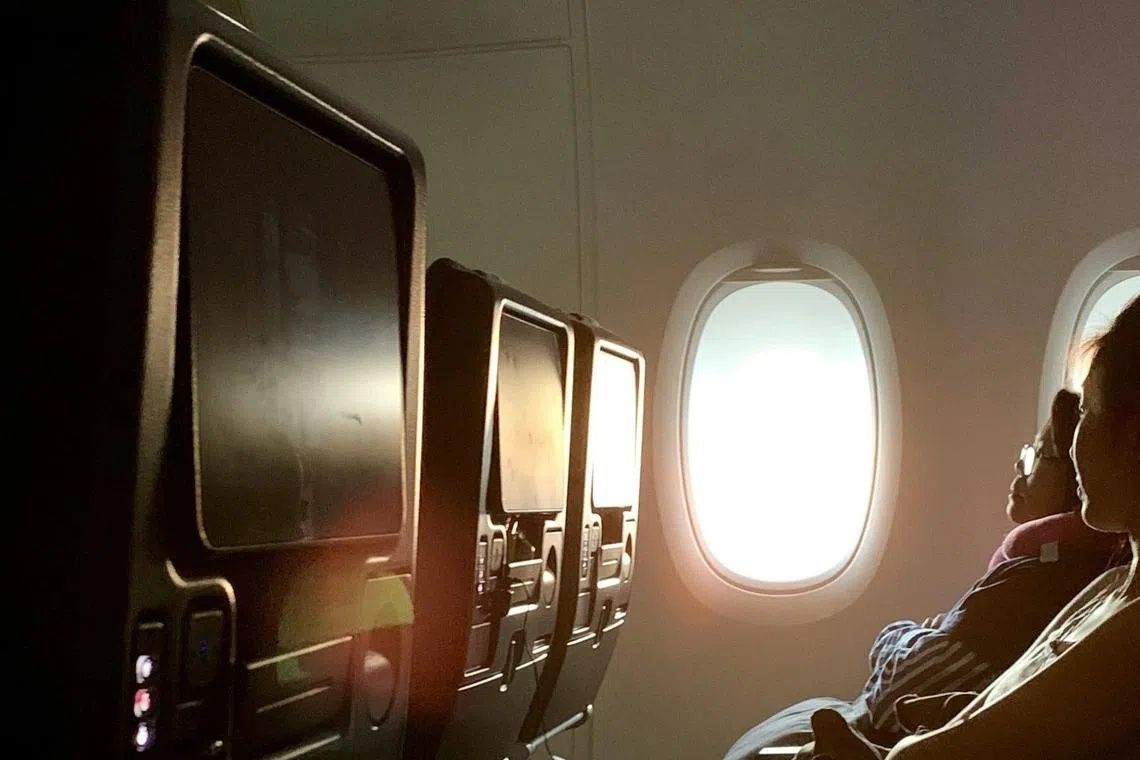
The teenager's proposed solution targets a practical intervention: mandatory privacy screening mechanisms on individual seatback monitors. Such screens would function similarly to privacy filters used in office settings, preventing adjacent passengers from viewing content rated above certain thresholds without the teenager's knowledge or consent. This proposal reflects growing consumer expectations around content control in commercial aviation, where passengers increasingly demand technological safeguards alongside traditional rating systems. The suggestion demonstrates that younger generations expect airlines to implement protective measures comparable to those found in other public venues serving families.
Underpinning the complaint is a legal framework that explicitly mandates youth protection. Both the Child Welfare Act and the Youth Protection Act establish clear obligations for Korean institutions to shield minors from harmful material. The petitioner strategically invoked these existing statutes to strengthen their argument, suggesting that current airline practices may not fully comply with national child protection standards. This legal angle transforms the complaint from a simple consumer grievance into a question of regulatory compliance, potentially prompting government scrutiny of how carriers interpret their obligations.
The aviation industry's current approach in South Korea reflects a balancing act between commercial interests and protective measures. Korean Air and Asiana Airlines, which together dominate the domestic and regional market, have implemented gatekeeping mechanisms: neither carrier displays films rated for viewers aged 19 and above. Additionally, both airlines typically source edited versions of films where the most explicit scenes have been removed or substantially altered. These measures represent industry self-regulation aimed at maintaining family-friendly environments without external mandate, yet the teenager's complaint suggests such measures remain insufficient for protecting younger passengers from incidental exposure.
The specific incident prompting this petition remains somewhat mysterious, as officials have not disclosed which film triggered the complaint. However, the aviation industry's track record provides instructive context. In 2020, both Korean Air and Asiana Airlines made headlines by withdrawing the acclaimed film Parasite from their in-flight libraries, despite its 15-and-above rating. The decision reflected concerns about violent sequences and sexual content, even in a version edited for airplane viewing. That decision illustrates how airlines occasionally make conservative choices regarding borderline content, yet controversies persist—suggesting that current filtering mechanisms operate in a gray zone that satisfies neither industry nor safety advocates.
For Malaysian and Southeast Asian audiences, this Korean case carries particular relevance. The region's own carriers—including Malaysia Airlines, Singapore Airlines, and Thai Airways—similarly navigate questions about in-flight content standards for increasingly diverse passenger demographics. As air travel becomes more routine for families with young children, concerns about unintended exposure to adult material will likely intensify across regional airlines. The Korean petition demonstrates that consumers are now willing to engage formal complaint channels and invoke legal protections, signalling a shift toward more assertive passenger activism around content governance.
The teenager's appeal also raises technological questions worth examining. Privacy screen technology is mature, widely available, and relatively inexpensive to implement on individual seatback monitors. The barriers to adoption appear less technical than operational or financial—carriers would need to weigh the cost of retrofitting entertainment systems against potential liability exposure and competitive differentiation. In an era where airlines compete partly on service quality, privacy-protected viewing could become a marketing advantage, particularly among family-oriented carriers seeking to distinguish themselves.
Beyond the immediate question of movie content, the petition touches on broader passenger rights issues. Commercial aviation confines passengers in close quarters for extended periods, limiting their ability to move away from objectionable material or shield dependents from visual stimuli. Unlike terrestrial public spaces where individuals can walk away, aircraft environments impose a form of captive audience status. The complaint implicitly challenges airlines to acknowledge this power asymmetry and implement protections reflecting the unique vulnerability of confined passengers, especially minors.
The government petition system itself deserves note. South Korea's Petition 24 platform—similar to other government petition portals worldwide—creates a mechanism for citizens to raise grievances that gain visibility and potential policy traction if they accumulate sufficient support. A teenager successfully wielding this democratic tool to challenge industry practices represents a notable development in how young people engage with governance. As petitions accumulate signatures, they pressure policymakers to address issues that might otherwise remain marginal concerns.
Moving forward, the Korean government faces a decision about whether to mandate stricter in-flight content controls or allow industry self-regulation to continue. Regulators must weigh child protection imperatives against the operational costs imposed on carriers and the risk of excessive government intervention in commercial spaces. The resolution of this specific complaint could establish precedent affecting not only Korean carriers but also regional airlines serving Korean routes and passengers who expect consistent standards across the region.
The incident ultimately reflects evolving expectations about child safety in commercial environments. As families travel more frequently and at younger ages, stakeholders—passengers, airlines, regulators—must negotiate where responsibility lies for protecting minors from unintended exposure to adult content. The teenager's formal complaint transforms a personal frustration into a policy question, signalling that consensus around current in-flight entertainment standards may be fragmenting. For carriers across Southeast Asia and beyond, the message is clear: protective measures that seemed adequate yesterday may require enhancement tomorrow.

