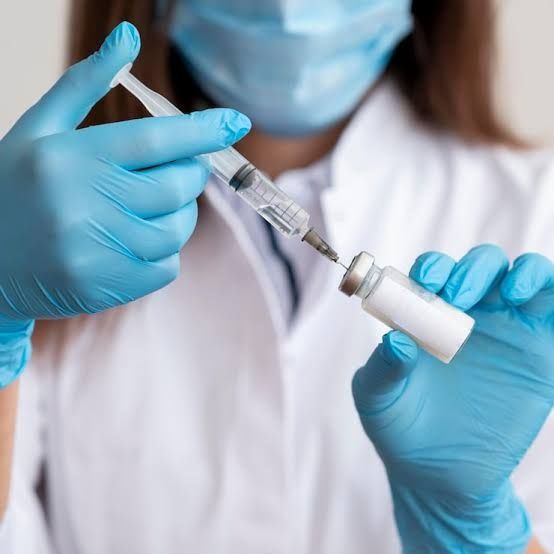
A South Korean nurse assistant was detained by police in Seoul on July 7 after authorities discovered she had injected herself with propofol, a potent anaesthetic drug, while working her first shift at a private dermatology clinic located in Gangnam-gu. The Seoul Gangnam Police Station apprehended the woman, who is in her twenties, on suspicion of contravening the Narcotics Control Act. Investigators are now examining the circumstances that allowed such unauthorized access to controlled medication and whether the incident represents an isolated episode or part of a broader pattern of substance misuse.
The circumstances surrounding the arrest underscore a troubling vulnerability within South Korea's healthcare infrastructure. The nurse assistant reportedly discovered a syringe containing propofol residue in a clinical waste container and subsequently administered the drug to herself without authorization or medical supervision. This breach occurred on what was ostensibly her opening day in the healthcare facility, suggesting that basic protocols for securing narcotics and monitoring staff access to pharmaceutical materials may be inadequate. Authorities have emphasized that the woman has been released without custodial detention while the investigation progresses, though prosecutors are currently determining whether her substance use extends beyond this single documented incident.
Propofol represents one of the most widely utilized anaesthetic agents in modern medicine, valued for its rapid onset and reliable sedative properties when administered intravenously. Medical professionals routinely employ this pharmaceutical to induce unconsciousness prior to surgical procedures or diagnostic interventions. However, the drug carries substantial risks when misused outside controlled clinical settings. Unauthorized self-administration can precipitate catastrophic complications including respiratory depression, circulatory collapse, and sudden cardiac events. The potential for lethal outcomes has made propofol a substance of particular concern among public health authorities investigating narcotic abuse patterns.
The incident emerges against the backdrop of escalating anxiety within South Korean healthcare circles regarding the prevalence and management of medical narcotics. Recent government statistics paint a picture of extensive prescription patterns across the nation's population. Data compiled by the Drug Ministry in conjunction with the Korea Institute of Drug Safety and Risk Management and released in June 2025 revealed that approximately 20.2 million South Koreans—representing roughly forty percent of the entire population—received at least one prescription for a medical narcotic during 2025. These figures demonstrate how deeply embedded narcotic medications have become within the country's healthcare delivery system.
This widespread prescription prevalence has triggered corresponding apprehension among medical regulators, healthcare administrators, and public health advocates who contend that current safeguards governing pharmaceutical storage, operational handling, and disposal procedures remain insufficient. Critics argue that South Korean hospitals and clinics have yet to implement comprehensive security measures adequate to prevent unauthorized access to controlled substances. The case of the nurse assistant serves as a concrete illustration of these systemic vulnerabilities, demonstrating how easily individuals working within healthcare environments might gain unsupervised contact with potentially dangerous medications. The discovery of a syringe containing propofol in a waste receptacle particularly highlights gaps in proper pharmaceutical disposal protocols.
For Malaysian healthcare policymakers and administrators, this incident carries meaningful cautionary implications. As Southeast Asia's healthcare systems continue expanding and modernizing, the region faces parallel challenges in managing pharmaceutical security and preventing narcotics misuse among healthcare workers. Malaysia's own healthcare infrastructure, encompassing both public institutions under the Ministry of Health and private medical facilities across major urban centers, must examine whether similar vulnerabilities exist in how controlled medications are stored, tracked, and disposed. The propensity for healthcare professionals to develop substance dependencies—whether through deliberate self-administration or gradual habituation—remains a documented concern across multiple countries with developed medical systems.
The investigation into whether the Seoul nurse assistant engaged in habitual substance abuse carries particular significance for understanding how medical narcotics vulnerabilities can escalate within healthcare organizations. If authorities determine that this incident represents merely the first documented instance of a more extensive pattern, it would suggest that workplace supervision mechanisms, pharmaceutical inventory controls, and employee wellness monitoring programs have proven inadequate. Conversely, if the incident appears genuinely isolated, questions still persist regarding how a newly hired employee could immediately access controlled substances with such minimal oversight on her opening professional day.
Regulatory responses in South Korea will likely emphasize strengthening pharmacy management protocols, implementing more rigorous inventory tracking systems, and establishing clearer chains of custody for controlled medications. Enhanced staff training regarding pharmaceutical security, combined with more frequent audits of storage facilities and waste management procedures, represents the typical trajectory of institutional reform following such incidents. Additionally, South Korean authorities may expand employee screening and monitoring mechanisms designed to identify healthcare workers experiencing substance use disorders before such patterns manifest in potentially dangerous behaviors.
The broader context of rising medical narcotic utilization across South Korean society suggests that addressing workplace access problems represents merely one component of a multifaceted challenge. When four in ten citizens receive narcotic prescriptions annually, questions inevitably arise regarding appropriate prescribing practices, patient education about dependency risks, and systems for monitoring long-term usage patterns. Healthcare professionals themselves represent a population at elevated risk for narcotic dependence, given their professional familiarity with these medications and their typically superior ability to access pharmaceutical supplies compared to general patients. Creating supportive pathways for healthcare workers struggling with substance use—including confidential treatment options and workplace accommodations—may prove as important as implementing stricter security measures in preventing future incidents.

