A South Korean Michelin-starred restaurant owner is facing serious legal consequences after prosecutors brought charges related to an unconventional culinary ingredient that violated the country's strict food safety regulations. The proprietor of a two-star establishment appeared in Seoul Western District Court on Monday, where prosecutors sought a one-year prison sentence for deploying black ants as a garnish on palate-cleansing sorbet served to diners.
The case hinges on a fundamental breach of South Korea's food safety framework, which meticulously regulates which insects may be consumed by the public. The nation's authorities maintain an approved list of just ten insect species permitted for human consumption, a roster that includes grasshoppers and brown mealworm larvae. By this regulatory standard, the use of black ants represents a clear violation, particularly since the insects in question were sourced from abroad rather than domestically sourced and certified variants.
According to statements from the food safety ministry, the chef employed the ants deliberately to impart a distinctly sour flavour to the sorbet. The culinary intent appears to have been rooted in avant-garde gastronomy, where unusual ingredients occasionally find their way onto high-end menus. However, the methodology breached established law. Authorities determined that diners were served between three and five ants per dessert, a consistent application suggesting this was part of a deliberate culinary concept rather than an isolated mistake.
The investigation into the restaurant's practices stretched back over nearly four years, with the illicit service continuing until January 2025. During this extended period, the establishment profited substantially from the ant-garnished confections, generating approximately 12,000 transactions worth a combined 120 million won. This substantial revenue figure suggests the dish held a particular appeal for the restaurant's clientele, possibly marketed as an exclusive or signature creation available only at this venue.
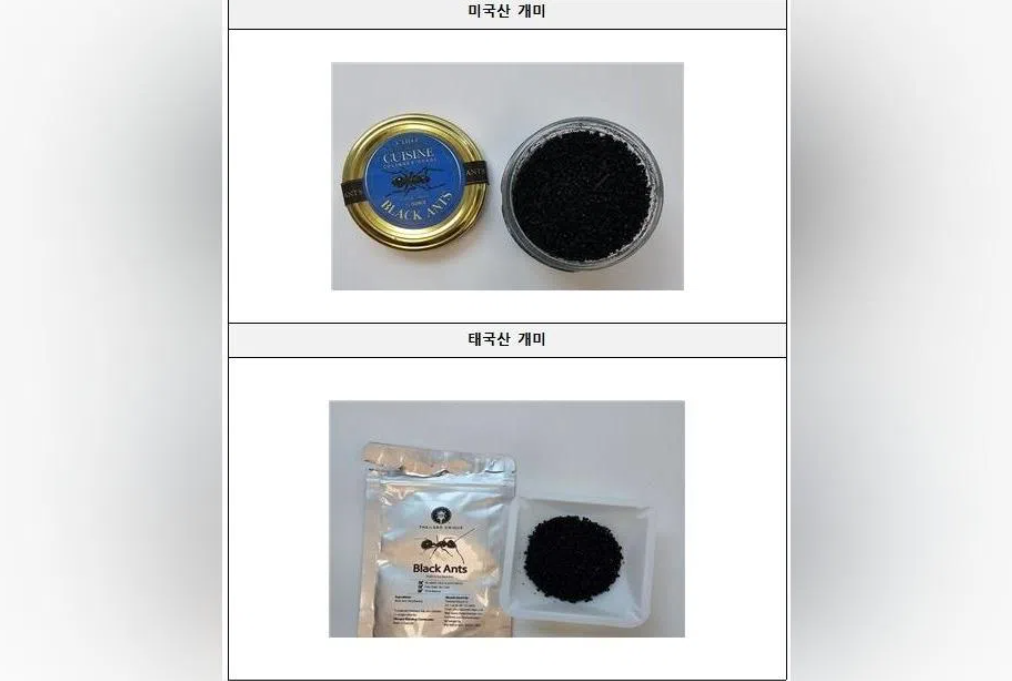
The source of the insects themselves adds an international dimension to the controversy. Rather than sourcing from local suppliers, the restaurant imported the black ants from Thailand and the United States, suggesting a deliberate procurement strategy. Photographic evidence released by the food safety ministry shows a tin labelled "Cuisine Black Ants", indicating these were commercially packaged products specifically intended for culinary use, though not legally approved in South Korea.
The prosecution's recommended penalties extend beyond imprisonment. Prosecutors simultaneously requested that the Seoul Western District Court impose a fine of 20 million won, compounding the legal jeopardy facing the defendant. This combined approach reflects the severity with which South Korean authorities treat food safety violations, particularly in establishments that carry prestigious designations such as Michelin stars, establishments that ostensibly operate under heightened scrutiny.
The defence presented a different characterisation of the incident, arguing that the ant-topped desserts were provided exclusively to customers who had granted explicit prior consent. This line of argument suggests the restaurant may have framed the offering as an optional experiential element or a special course available only to adventurous diners who understood and accepted the unconventional nature of the ingredient. The defence contended that informed consent should mitigate culpability, though this argument faces obvious hurdles given that the underlying ingredient remains prohibited regardless of customer awareness.
The defendant's court statement acknowledged regulatory failure rather than contesting the factual allegations. The restaurant owner expressed remorse, stating "I apologise for this incident, which arose from my failure to fully understand the relevant regulations." This admission appears strategically calculated to demonstrate accountability and potentially influence sentencing considerations, though it simultaneously constitutes an acknowledgement of knowingly operating outside legal boundaries.
The Michelin star designation attached to this establishment amplifies the significance of this case within South Korea's culinary landscape and beyond. Michelin recognition typically signals adherence to standards of excellence encompassing not merely taste and presentation but also food safety, hygiene, and regulatory compliance. The case therefore raises uncomfortable questions about oversight mechanisms within prestigious culinary circles and whether high-end establishments may sometimes prioritise innovation over cautious adherence to food safety law.
For Malaysian readers and regional food industry observers, this case illuminates the rigorous approach that advanced economies maintain toward food safety regulation. South Korea's specified list of approved insect species for human consumption reflects a regulatory philosophy prioritising consumer protection through strict prior approval rather than relying on risk assessment at point of consumption. This contrasts with more permissive frameworks in some Southeast Asian jurisdictions, where insects remain more commonly incorporated into traditional cuisine with less formal governmental oversight.
The Seoul Western District Court is scheduled to deliver its verdict in early September, with the outcome likely to establish precedent regarding how severely South Korean courts penalise culinary rule-breaking within fine-dining contexts. Should the court impose the full recommended sentence, it would signal an uncompromising stance on food safety compliance regardless of an establishment's prestige or the sophistication of its transgression.

