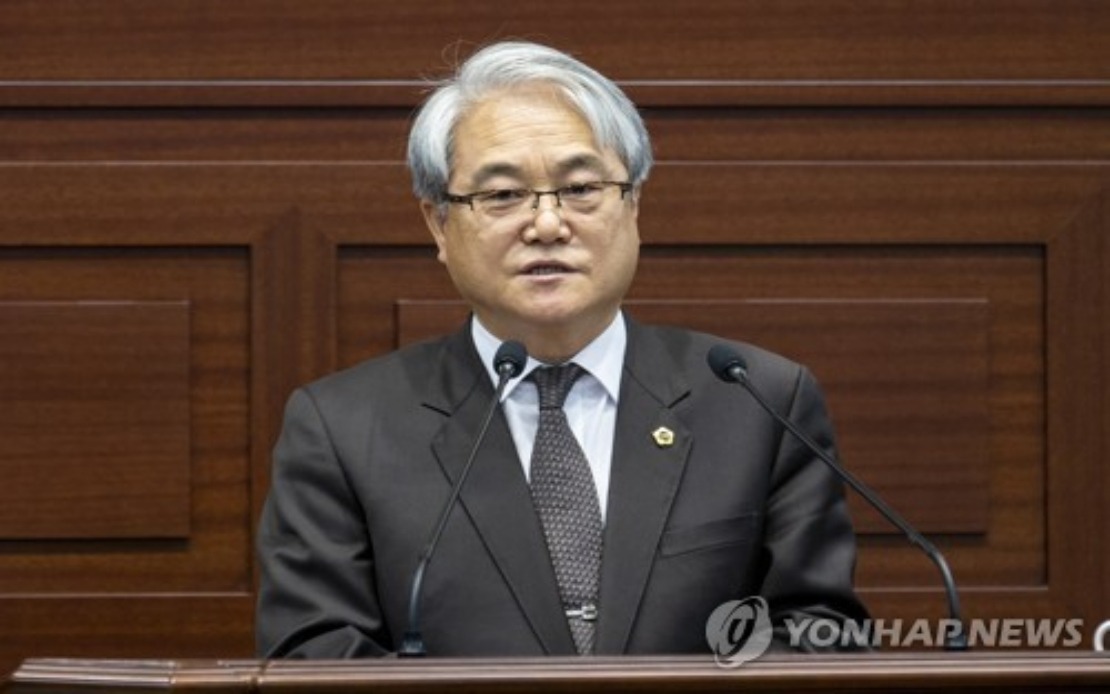
South Korea's anti-corruption landscape has been shaken by the discovery of Kim Ha-soo, former chief of Cheongdo county in the southeastern region, found dead on a mountainside early Monday morning. Rescue personnel recovered his body at approximately 7 a.m., along with what appeared to be a handwritten note left at the scene, according to police authorities who declined to elaborate further on the circumstances.
The timing of the discovery underscores the mounting pressure facing Kim, who had been the subject of multiple serious investigations into his conduct during his tenure as county chief from 2022 until earlier this year. His fall from office marks a dramatic reversal in fortune for a public administrator who had wielded considerable power over local governance, budgeting, and patronage appointments in the region.
Central to the probe against Kim was an allegation that he had received improper payments from a government employee in return for facilitating a promotion. This type of quid pro quo arrangement represents one of the most corrosive forms of corruption in South Korean bureaucracy, as it corrupts the merit-based civil service system that theoretically governs advancement. The investigation had progressed to the point where Kim faced formal charges on suspicion of illicit receipt of funds, a serious criminal matter in South Korea's judicial system.
The investigation gained additional momentum when another individual connected to the case, suspected of being the intermediary who delivered the bribes to Kim, was found dead under circumstances that have added complexity to the overall enquiry. The death of this alleged conduit raises questions about the scope and intensity of pressure surrounding the case, though authorities have not publicly characterised the connection between the two deaths.
Beyond the corruption allegations centred on bribery, Kim also faced accusations of a violent home invasion. Prosecutors had referred him for investigation regarding an incident in January in which he allegedly broke into the residence of a nursing home director. This separate allegation suggests a pattern of serious criminal behaviour extending beyond financial misconduct, encompassing allegations of physical trespass and potential intimidation.
The case reflects broader systemic concerns within South Korean local government, where corruption and abuse of authority by officials remain persistent challenges despite decades of democratic reform and anti-corruption campaigns. Regional administrators maintain discretionary control over significant budgets, land development approvals, and civil service positions, creating opportunities for abuse if oversight mechanisms prove inadequate.
For Malaysian observers and Southeast Asian readers, the Kim Ha-soo case serves as a cautionary example of how even nominally transparent government systems can be penetrated by corruption if institutional safeguards and political will are insufficient. South Korea has invested heavily in anti-corruption infrastructure, yet cases continue to emerge suggesting that determined wrongdoers can still operate within the system for extended periods.
The investigation into Kim's activities represents the kind of high-profile prosecution that South Korean authorities periodically pursue to demonstrate commitment to clean governance. However, the rapid succession of deaths—first the alleged bribe intermediary, then Kim himself—raises uncomfortable questions about the intensity of investigations and the psychological toll they exact on subjects.
For local government officials across Southeast Asia concerned with maintaining legitimacy and public trust, the Cheongdo case underscores that corruption investigations, once commenced, typically proceed with relentless momentum. The regional implications are significant, as observers monitor how South Korean institutions handle sensitive cases involving deceased subjects and whether families or successor administrations seek to contest the investigation's findings.
The discovery occurred during a period when South Korea's new government under President Yoon Suk Yeol has emphasised anti-corruption as a policy priority. High-profile cases like Kim's receive intense media scrutiny and generate public discussion about the adequacy of preventive measures and disciplinary systems within local administrations. The political symbolism of aggressive corruption prosecution serves multiple purposes: deterring future misconduct, demonstrating governmental competence, and rebuilding public confidence in institutions.
As investigations conclude and the facts surrounding the case become clearer through official channels and media reporting, South Korean authorities will likely issue detailed findings addressing each allegation. The death of Kim creates procedural complications, as deceased subjects cannot defend themselves in court proceedings, potentially limiting opportunities for legal closure on certain allegations.
Looking at broader governance lessons for the region, the Cheongdo incident reinforces that position and authority, without corresponding institutional restraints and transparent oversight, create environments where corruption flourishes. It also demonstrates that even developed democracies with sophisticated legal systems face persistent challenges in preventing official misconduct.

