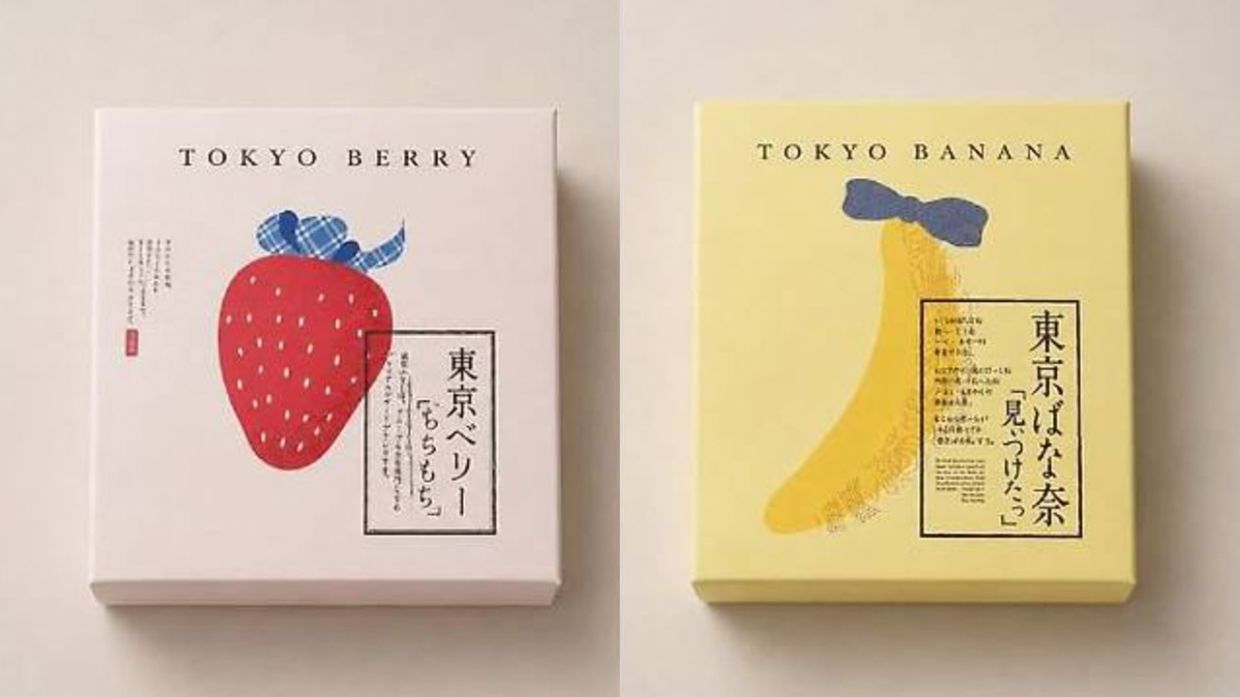
A recently established South Korean food brand has become embroiled in a cross-border intellectual property controversy after consumers accused it of creating products that closely mirror those of an established Japanese competitor. Tokyo Berry, which began operating retail outlets across major South Korean department stores, now faces mounting allegations that its confectionery designs and marketing closely replicate Tokyo Banana, a widely recognised banana-shaped sponge cake made by Japan's Grapestone company.
The dispute gained traction on social media platforms when consumers began posting side-by-side comparisons of the two brands' packaging, revealing striking visual similarities that have sparked broader questions about the Korean brand's originality. What began as isolated customer observations has rapidly escalated into a significant public relations crisis for Tokyo Berry, with the controversy extending beyond simple design imitation to encompass broader concerns about brand identity and consumer deception.
Tokyo Berry's market entry strategy appeared carefully calibrated to evoke connections with Japanese culture and the Tokyo brand cachet. The company positioned itself through marketing language emphasising "capturing the flavours of seasonal fruits and the essence of Tokyo", messaging that consumers contend created a misleading impression that the brand originated in Japan rather than South Korea. This strategic positioning, combined with the visual similarities in packaging, prompted many shoppers to believe they were purchasing an authentic Japanese product when they encountered Tokyo Berry at department store pop-ups.
The brand's initial retail performance suggested commercial promise. Pop-up locations established at prestigious South Korean department stores including Lotte and Shinsegae drew substantial customer queues, indicating strong initial demand among consumers attracted by what many believed was a Japanese confectionery import. However, this success proved short-lived once the nature of the brand's origins and design choices became widely understood.
Department store management moved swiftly to distance themselves from the controversy. A representative from one major retailer informed media outlets on Friday that all forthcoming Tokyo Berry pop-up installations had been cancelled, representing a decisive commercial consequence for the brand. This abrupt termination of retail partnerships signals the severity with which South Korean retail institutions are treating the reputational risks associated with the brand.
The criticism has not remained confined to packaging similarities alone. Some consumers have further alleged that Tokyo Berry has also appropriated design elements from Hanjungsun, a premium Korean dessert brand renowned for employing hanji, the country's traditional handmade paper, to package chapssaltteok rice cakes. This multi-directional accusation suggests a pattern of design borrowing rather than isolated inspiration, deepening concerns about the brand's creative integrity and ethical business practices.
The controversy has acquired a distinct nationalistic dimension within South Korean digital spaces. Online commentators have characterised the situation as a "national embarrassment", reflecting broader sensitivities around Korean brands' international reputation and the country's positioning in regional consumer markets. This framing reveals how individual brand disputes can intersect with questions of national identity and competitive standing in East Asia's highly saturated consumer goods landscape.
In response to intensifying public criticism, Tokyo Berry has adopted a defensive communications posture. The brand moved to restrict visibility of its promotional Instagram content and disabled comment functionality on its social media channels, limiting opportunities for further public discourse about the controversy. This withdrawal from digital engagement contrasts sharply with the brand's initial aggressive marketing approach and underscores the reputational damage sustained.
Grapestone, the Japanese manufacturer and operator of Tokyo Banana, has initiated a formal review of the matter, indicating that the controversy has attracted attention from international business stakeholders. The company released a statement confirming that it has escalated the issue internally and is examining the details surrounding Tokyo Berry's product design and marketing practices. This corporate response suggests potential consideration of formal intellectual property enforcement mechanisms, though no legal action has been announced publicly.
The Tokyo Berry controversy illuminates persistent tensions within East Asian consumer markets regarding design inspiration, brand authenticity, and regulatory oversight. While product development frequently builds upon existing market successes and consumer preferences, the deliberate cultivation of geographic misconception through branding language and visual design strategies operates in ethically ambiguous territory. South Korean consumers' swift and decisive rejection of the brand demonstrates the contemporary marketplace's sensitivity to authenticity claims and the reputational consequences of perceived deception.
For Malaysian and broader Southeast Asian observers, the episode serves as instructive context regarding intellectual property enforcement, consumer protection standards, and the regulatory frameworks governing cross-border brand disputes. The rapid corporate response from South Korean retailers, despite initial commercial success, reflects market maturity and consumer sophistication in holding brands accountable. As regional e-commerce expands and Asian consumer brands proliferate across markets, comparable disputes will likely increase, making precedents like Tokyo Berry's collapse valuable reference points for understanding how reputational crises unfold in the digital age.

