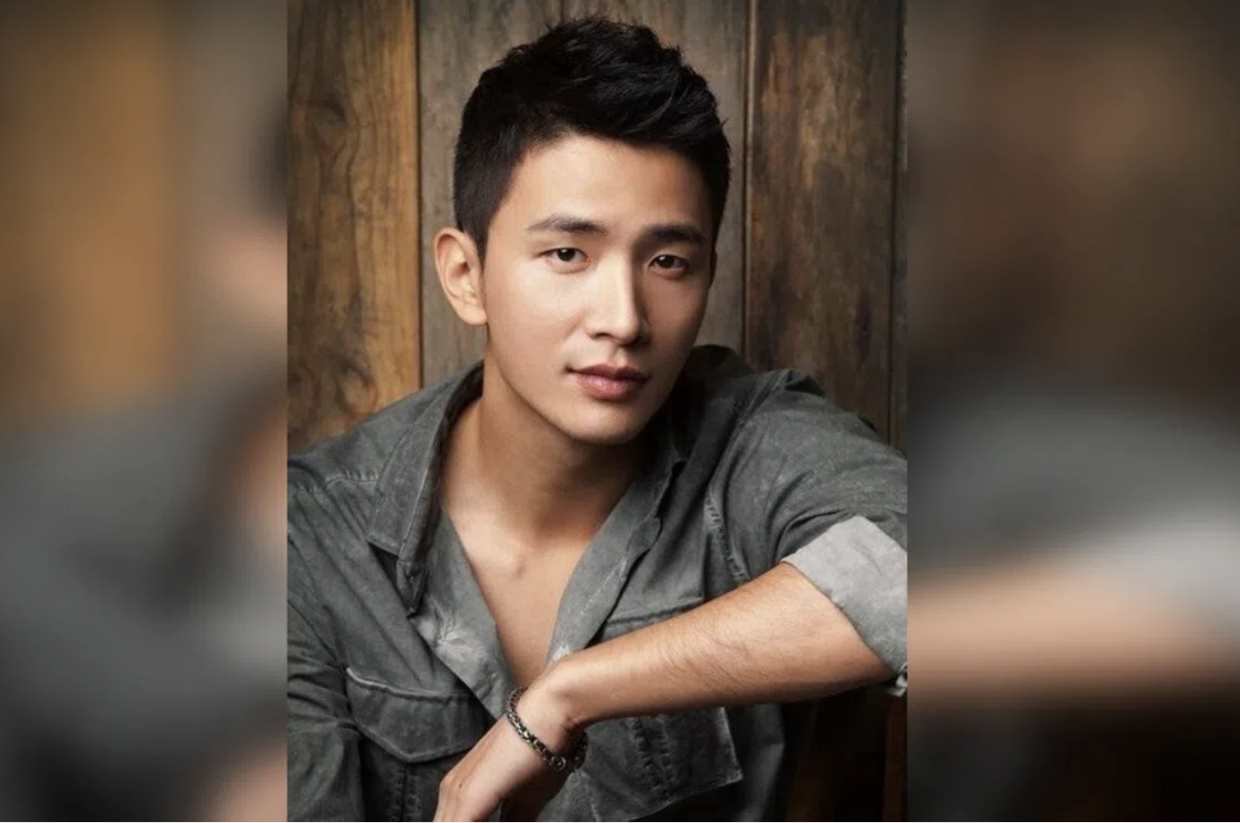
South Korean entertainment has lost another young talent with the sudden death of actor Lee Yong-joo at the age of 44. The performer, best remembered for his supporting role in the beloved 2006 drama series Princess Hours and his comedic turn in the tvN sitcom Blue Tower between 2013 and 2014, succumbed to cardiac arrest on August 29. A close friend broke the news through social media, expressing shock at the unexpected loss and requesting that fans and industry colleagues honour Lee's memory during his final journey.
The tragic circumstances surrounding Lee's death have refocused attention on a pre-existing medical condition he had publicly disclosed a decade earlier. In 2013, whilst promoting Blue Tower, the actor revealed that he suffered from hypertrophic cardiomyopathy, a serious cardiac ailment characterised by abnormal thickening of the heart muscle. This condition had proven significant enough that military authorities granted him an exemption from South Korea's mandatory military service requirement, a decision that typically generates considerable scrutiny and public discussion in a nation where conscription remains a central experience for men.
Lee's medical struggles ran deeper than personal misfortune, as the condition appeared to carry a hereditary component within his family. His mother had also been hospitalised with the same disorder, prompting doctors to recommend that other family members undergo thorough medical screening given the potential genetic transmission of the disease. The actor was diagnosed following these familial concerns and subsequent medical evaluation, underscoring how such conditions can manifest across generations and affect multiple family members simultaneously.
Prior to becoming recognised as a dramatic actor, Lee built his initial career foundation as a fashion and entertainment model before transitioning into acting. His first film appearance came in 2004 with a minor role in the production Doma Ahn Jung-geun, representing a modest entry point into a field that would eventually yield more substantial opportunities. The following year saw him securing roles in television dramas, including appearances in MBC's Hello, Francesca during 2005 to 2006, which helped establish his presence in the competitive Korean broadcasting landscape.
His breakthrough moment arrived with Princess Hours, the 2006 period romance drama that captured significant audience attention and introduced Lee to a wider viewing public. In this series, he portrayed Jang Kyung, a high school friend of the Crown Prince character Lee Shin, played by prominent actor Ju Ji-hoon. The drama's success created momentum for his career, leading to numerous subsequent television appearances throughout the latter half of the 2000s and into the 2010s. His filmography expanded to include roles in the comedy series Unstoppable Marriage in 2007 and the extended Rude Miss Young-ae franchise that spanned over a decade from 2007 through 2019.
Lee's versatility across different genres became increasingly apparent as his career progressed. Beyond dramatic and period pieces, he ventured into comedy and lighter television fare with appearances in various series including The Women's Room in 2013, the culinary drama Let's Eat the same year, and the romantic comedy My Unfortunate Boyfriend in 2015. This range demonstrated his capacity to adapt to diverse roles and production styles, earning him respect among casting directors and audiences who appreciated his professional flexibility.
His portrayal in Blue Tower represented a career highlight that gained him particular popularity among viewers. The sitcom, which aired on cable television between 2013 and 2014, featured Lee in the role of a military recruit despite his well-publicised lack of actual military service. This casting choice, which incorporated his genuine exemption from conscription into the show's narrative structure, proved both comic and somewhat controversial, generating discussion about his medical status whilst simultaneously demonstrating his willingness to embrace roles that reflected his unusual life circumstances. The series showcased his comedic timing and ability to work within ensemble casts.
Following his death, mourning arrangements were formally established through Bundang Jesaeng Hospital's funeral facilities in Seongnam, Gyeonggi Province, where his wake was held in Room 5 of the hospital's dedicated funeral hall. The funeral procession took place on August 31 at 6.30am, with his final resting place designated at the Seongnam City Funeral Culture Complex, allowing colleagues and admirers to pay their respects and participate in traditional Korean funeral customs honouring his memory and contributions to the entertainment industry.
Lee's passing raises important awareness about hypertrophic cardiomyopathy, a condition that affects individuals across all demographics but frequently goes undiagnosed until serious events occur. His willingness to publicly discuss his medical condition when required for military service exemption purposes helped destigmatise conversations around chronic illness within South Korean entertainment circles, though his untimely death serves as a sobering reminder of the serious health risks associated with such cardiac disorders. For Malaysian and regional audiences familiar with Korean dramas and entertainment imports, his loss represents a poignant reminder of the human stories behind beloved television performances.

