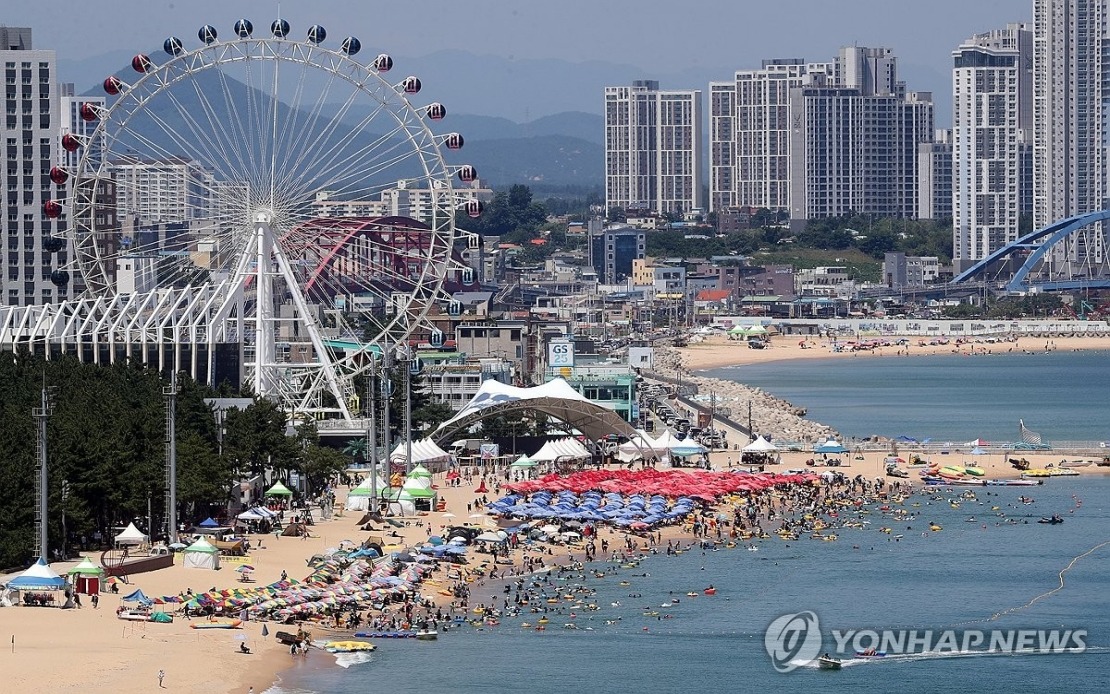
South Korea is experiencing an unprecedented heat crisis, with the southeastern city of Yangsan recording a temperature of 42.5 degrees Celsius on Sunday—the highest ever documented on the Korean Peninsula in more than a century of modern meteorological records. The Korea Meteorological Administration confirmed that the mercury climbed steadily through the afternoon, reaching 42 degrees at 1:16 p.m. before climbing further to the record-breaking 42.5 degrees just ten minutes later, marking a stark milestone in the country's climate history.
The significance of this temperature breakthrough cannot be understated. The Korea Meteorological Administration bases its records on data collected from 97 long-term observation stations distributed across the peninsula, making this official record a scientifically robust measure of the nation's hottest day since systematic weather monitoring commenced in 1904. For context, this surpasses all previous temperature records accumulated over more than a century, underscoring the unprecedented nature of the current meteorological conditions affecting the Korean Peninsula.
Yangsan, situated approximately 310 kilometres southeast of Seoul, has become the epicentre of this extreme heat event. The timing of the temperature surge is particularly concerning, as the mercury has been breaching the 40-degree Celsius threshold earlier each successive day as atmospheric heat continues to accumulate in the region. Meteorological experts have expressed alarm that temperatures could potentially climb even higher, with some forecasts suggesting the possibility of exceeding 43 degrees Celsius in the coming days if current atmospheric patterns persist.
The scale of the heat wave's impact across the region extends well beyond Yangsan's record-setting temperatures. The city of Gyeongju, located roughly 240 kilometres southeast of Seoul, recorded a temperature of 40.2 degrees Celsius by mid-afternoon on Sunday, representing the first occasion this year that readings have exceeded 40 degrees in that municipality. This figure also marks the highest temperature recorded in Gyeongju over an eight-year period, surpassing the previous record of 39.8 degrees Celsius set in 2018, demonstrating a clear trend toward increasingly severe heat events in the region.
Sunday's extreme temperatures represented the culmination of a relentless heat wave that has intensified progressively. Yangsan experienced its fifth consecutive day of temperatures exceeding 40 degrees Celsius, indicating sustained rather than isolated extreme conditions. This prolonged exposure to dangerous heat levels compounds health risks for vulnerable populations and strains critical infrastructure systems including electricity grids and water supply networks.
In response to the escalating emergency, the South Korean government has escalated its crisis management posture. A Level 2 emergency operation was activated at 1 p.m. on Sunday through the disaster response headquarters, triggering enhanced coordination across all government agencies to mount a comprehensive national response to the extreme heat. This classification reflects official recognition that the situation has moved beyond routine seasonal management into genuine emergency territory requiring coordinated intervention at the highest levels of government.
Prime Minister Han Seong-sook issued direct emergency orders to government ministries and provincial authorities, establishing specific protocols to address the crisis. These orders prioritised the welfare of heat-vulnerable populations—including the elderly, outdoor workers, and those with pre-existing health conditions—by mandating intensified safety monitoring programmes. Simultaneously, authorities were instructed to implement rigorous preventive maintenance checks across power generation and distribution infrastructure, recognising that extreme heat events typically coincide with peak electricity demand that threatens system reliability. Water supply maintenance also received emphasis as dehydration risks escalate during prolonged heat waves.
Public health messaging has been correspondingly amplified. Citizens have been strongly advised to curtail outdoor activities during peak heat hours and to strictly adhere to established heat safety protocols. These public warnings reflect lessons learned from previous heat waves, where inadequate precautions contributed to heat-related illness and mortality. The emphasis on voluntary compliance with safety measures represents the complementary civilian component of the governmental emergency response strategy.
For Malaysian and Southeast Asian observers, South Korea's experience carries significant relevance. While tropical Southeast Asia experiences consistently high temperatures year-round, the phenomenon of unprecedented heat records breaking established baselines—as evidenced by South Korea's century-old record being shattered—reflects broader patterns of climate change intensification affecting the entire region. Southeast Asian nations, particularly those with significant outdoor labour forces in agriculture, construction, and manufacturing sectors, face comparable vulnerabilities to sustained heat waves. The South Korean government's emphasis on protecting vulnerable populations and maintaining infrastructure reliability during extreme heat events offers instructive lessons for regional policymakers developing climate adaptation strategies.
The cascading nature of heat wave impacts warrants attention from a broader Asian policy perspective. When critical infrastructure systems strain under extreme temperatures, effects ripple through interconnected economies. Power rationing affects manufacturing output, reduced water availability impacts agriculture and industry, and public health crises generate healthcare system pressures. These considerations underscore why extreme weather events, once considered primarily environmental issues, have become matters requiring integrated responses spanning energy policy, public health, labour regulations, and economic planning across the entire region.

