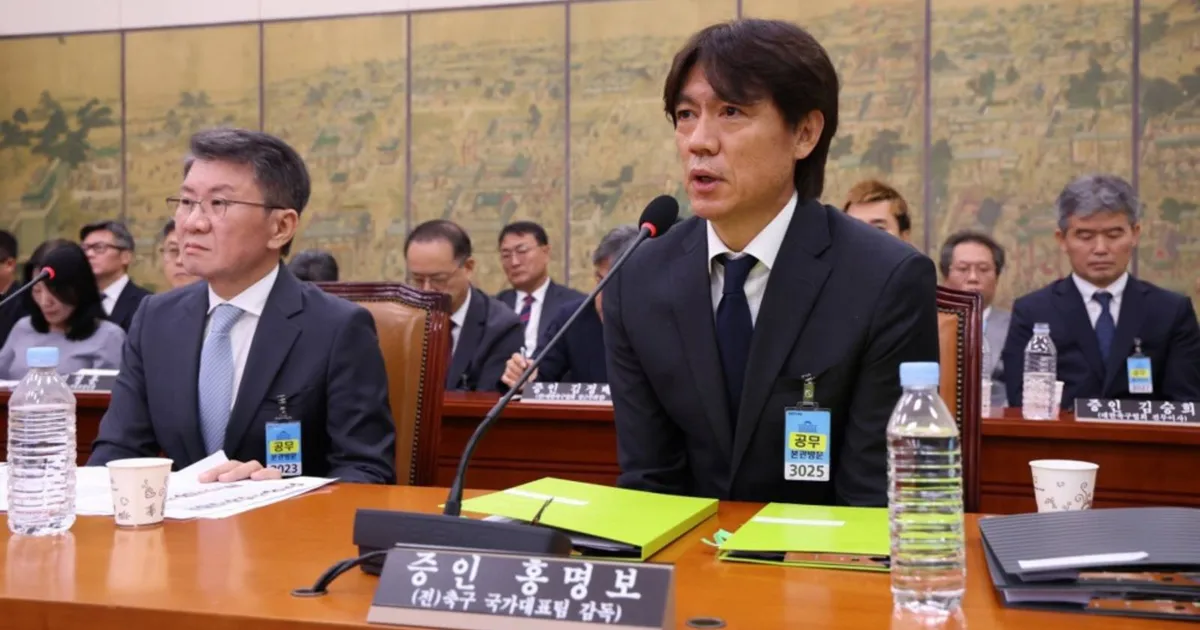
South Korean law enforcement has moved to investigate the selection process behind the national football team's coaching appointment, targeting the country's football governing body in a widening probe that reflects deepening concerns over governance and accountability in the sport. The action centres on the promotion of Hong Myung-bo to the head coaching role, with authorities examining whether the appointment process involved alleged obstruction of business and other irregularities in how the decision was made and executed.
The raid on the Korea Football Association represents an unprecedented intervention into the administrative workings of the sport's governing body, signalling that investigators believe criminal conduct may have occurred during the appointment proceedings. This level of scrutiny suggests the investigation extends beyond routine administrative review into potential violations of law in how the decision was reached and implemented by association officials.
The timing of the investigation is closely linked to South Korea's disappointing performance at the most recent World Cup tournament. The national team's underwhelming campaign created significant public backlash and intensified scrutiny of management decisions within the football hierarchy. This poor showing on football's grandest stage appears to have triggered the examination of whether the subsequent coaching appointment was conducted with proper transparency and adherence to correct procedures.
Hong Myung-bo, a respected figure in Korean football with notable playing credentials and previous managerial experience, was positioned for the appointment during a period of institutional pressure and public criticism. The context in which his selection occurred—following national team disappointment—creates questions about whether the appointment process itself may have been rushed, circumvented proper channels, or excluded legitimate stakeholders from meaningful participation.
For Malaysian readers familiar with Southeast Asian football governance, this situation illustrates how World Cup disappointments can trigger institutional crises in national football associations. Similar patterns have emerged across Asia, where major tournament failures often lead to management upheaval and, occasionally, revelations about how predecessor decisions were made. The Korean case demonstrates that even established football nations with substantial resources face questions about governance transparency when results disappoint.
The specific allegation of business obstruction suggests investigators believe that during the appointment process, certain individuals or procedures may have been deliberately prevented from functioning or obstructed from their normal operations. This could encompass scenarios where relevant committees were bypassed, voting procedures were manipulated, or legitimate voices in the decision-making process were systematically excluded or silenced.
The Korea Football Association now faces reputational and operational challenges as the investigation proceeds. The police action, while pursuing legitimate accountability, also threatens to destabilise the football ecosystem during a sensitive period when the national team requires stable leadership and focused preparation for upcoming competitions. The association must balance cooperation with authorities against the practical necessity of maintaining operational continuity and institutional credibility.
This development carries broader implications for football governance across East and Southeast Asia. It underscores that sports administrators, regardless of the prestige of their institutions, remain accountable to legal frameworks and public scrutiny. As Malaysian football administrators and fans observe these events, they represent a reminder that procedural transparency and proper governance are not optional elements but essential components of institutional legitimacy.
The investigation also reflects the intensity with which Korean society scrutinises national sports performance, particularly in football. The World Cup remains a centerpiece of national sporting pride, and perceived failures trigger not merely criticism but formal investigatory action against decision-makers. This cultural context explains why a coaching appointment, routine in many settings, becomes grounds for police intervention when it follows international embarrassment.
Looking forward, the outcomes of this investigation will likely reshape how Korean football administrators approach future high-profile appointments and decision-making processes. Whether the probe ultimately substantiates criminal misconduct or addresses procedural irregularities without rising to criminal levels, the investigation has already signalled to the football community that governance standards matter and that accountability mechanisms will be activated when questions arise about administrative propriety.
For the broader Southeast Asian football landscape, including Malaysia's own football administration, the Korean case offers lessons about the importance of establishing transparent appointment procedures, documented decision-making processes, and clear stakeholder involvement protocols. While Malaysian football faces different institutional challenges and operates within different regulatory frameworks, the principle remains universal: proper governance protects institutions and serves the long-term interests of the sport.

