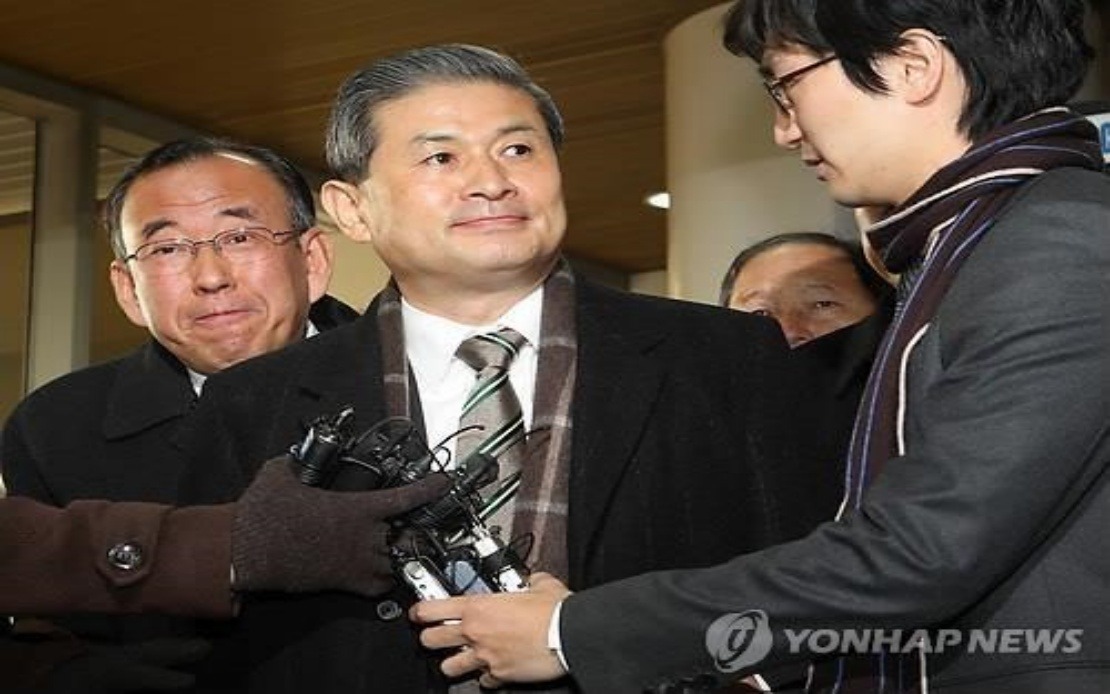
South Korea's interior ministry has completed the formal revocation of its most prestigious science honour from former Seoul National University professor Hwang Woo-suk following presidential approval granted this week. The decision marks the final chapter in an extraordinary scientific scandal that has reverberated through East Asian research institutions for nearly two decades, underscoring the severe reputational and institutional consequences of fabricated research at the highest levels of academia.
Hwang received the Top Science and Technology Award in 2004, along with a monetary prize of 300 million won valued at approximately US$201,200, in recognition of what the government then believed were groundbreaking achievements in human embryonic stem cell research. The award stands as South Korea's supreme scientific honour, presented by the president to researchers and technologists deemed to have made exceptional contributions to the nation's scientific and technological advancement. At the time of his recognition, Hwang's work appeared to represent a landmark in biotechnology, positioning South Korea as a leader in cutting-edge stem cell science and attracting considerable international attention and prestige.
The entire foundation of Hwang's recognition collapsed in 2005 when rigorous investigation revealed that his celebrated research paper contained extensively forged data. The central claim that he had successfully created the world's first cloned human embryo, a scientific achievement of profound significance, was comprehensively debunked. This discovery fundamentally undermined not only his academic reputation but also South Korea's standing in the global scientific community, necessitating extensive institutional soul-searching about research oversight and integrity protocols.
Following exposure of the fraud, Hwang was dismissed from his position at Seoul National University in 2006. However, the process of formally stripping away official recognition and institutional honours proceeded inconsistently through the years. South Korea's government initially revoked the award in 2020, but this action faced an unexpected legal obstacle when a court determined that the revocation procedure had contained procedural irregularities and therefore ruled the 2020 revocation invalid on technical grounds.
In response to the judicial setback, South Korea's science ministry petitioned the interior ministry in March of this year to undertake a fresh revocation process that would withstand legal scrutiny. The interior ministry subsequently sought presidential approval for this revised revocation action on Tuesday, receiving formal authorization the same day. This streamlined approval process demonstrates governmental determination to permanently sever institutional ties with Hwang's fraudulent legacy and eliminate any possibility of future legal complications.
The case illustrates the complex intersection of scientific integrity, governmental accountability, and legal procedure in addressing research misconduct. Unlike straightforward dismissals from employment, revoking official state honours involves presidential authority and administrative formality, creating multiple procedural requirements that must be satisfied to ensure the decision survives judicial review. The need to repeat the process underscores how serious institutions must be about getting such decisions legally sound, not merely administratively justified.
For the Southeast Asian scientific community, Hwang's case serves as a cautionary reminder about the importance of rigorous peer review, institutional oversight, and the potential for individual ambition to corrupt research integrity. The scandal had ripple effects across Asian universities and research centres, prompting heightened scrutiny of research protocols and ethical standards. Many institutions across the region strengthened their verification procedures and whistleblower protections in response to the fallout from Hwang's fabrications.
The two-decade span between award and final revocation reflects how profoundly damaging scientific fraud can be to national research reputations. South Korea's scientific establishment had to rebuild international confidence following the incident, implementing more stringent oversight mechanisms and emphasizing ethical standards in research conduct. This experience influenced how other East and Southeast Asian countries approached research governance and institutional accountability frameworks.
Moreover, the persistent efforts to ensure the revocation remained legally valid demonstrate that governments recognise the symbolic importance of formally disassociating themselves from fraudulent scientific claims. Allowing questionable research achievements to retain official recognition, even nominally, could undermine public confidence in the integrity of the honours system itself. The final revocation sends a clear signal that fabricated research, regardless of initial prestige, ultimately cannot remain part of a nation's official scientific legacy.
The Top Science and Technology Award remains a meaningful honour within South Korea's scientific establishment, typically recognising legitimate research contributions that genuinely advance the nation's technological capabilities. By permanently removing Hwang's name from recipients, South Korea ensures that the award's integrity remains beyond question and that future recipients cannot be tainted by association with discredited work. This decisive action protects not only the award's credibility but also reflects evolving international norms regarding accountability for research misconduct at the highest institutional levels.

