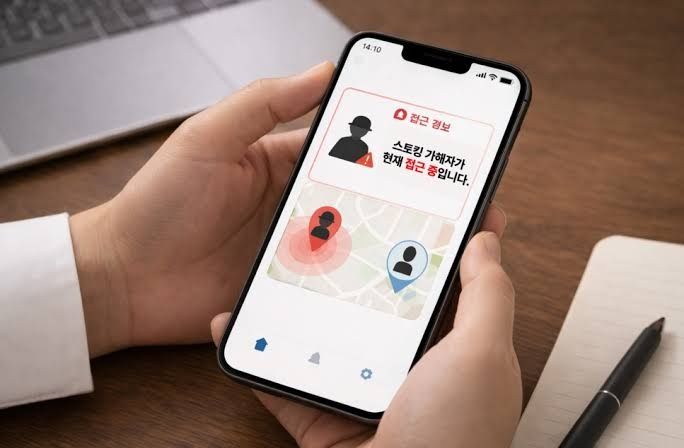
South Korea initiated a comprehensive overhaul of its stalking victim protection framework on June 24 with the launch of a sophisticated mobile application that fundamentally reshapes how authorities manage high-risk offenders. The system, operated through the Ministry of Justice, represents a watershed moment in the country's approach to intimate partner violence and obsessive harassment cases, offering affected individuals immediate visibility into the whereabouts and movement patterns of individuals suspected of threatening behaviour.
The technological solution emerged from mounting frustration within victim advocacy circles and law enforcement regarding the limitations of earlier protective mechanisms. Despite the availability of smartwatch-style emergency alert devices distributed to vulnerable individuals for years, the evidence demonstrates a troubling gap between available tools and outcomes on the ground. Representative Lee Gwang-hee of the ruling Democratic Party of Korea highlighted this disparity by noting that 23 victims were either killed or subjected to attempted murder between 2021 and August 2025 despite being equipped with the existing emergency notification devices, underscoring the inadequacy of passive alert systems when confronted with determined offenders.
The broader context reveals South Korea's escalating struggle with stalking-related violence. The introduction of electronic monitoring requirements for certain high-risk cases, which commenced in 2024 under court authorization, represented an earlier attempt to tighten surveillance of dangerous individuals. That measure supplemented rather than replaced the wearable alert technology already in circulation, creating a layered approach to victim safety. However, policymakers recognised that knowing an emergency alert has been triggered differs fundamentally from understanding where a stalker is located and whether they are moving toward or away from the victim.
The new application changes this dynamic considerably by shifting from reactive notification to proactive situational awareness. Victims can now monitor a suspected stalker's present location and trajectory in real-time, potentially allowing them to make informed decisions about their immediate safety—whether to leave a location, seek help, or contact authorities. This granular information flow addresses a critical vulnerability in the previous system, wherein victims possessed emergency buttons but lacked the contextual knowledge to predict danger before it arrived at their doorstep.
Privacy considerations presented substantial challenges to implementation, particularly in a society where data protection ranks among public concerns. The Ministry of Justice confronted legitimate questions about the scope of surveillance and potential misuse of location data, leading to a comprehensive revision of regulations governing electronic monitoring in December 2025. These regulatory adjustments sought to establish boundaries ensuring that victim protection mechanisms did not themselves become instruments of state overreach or enable other forms of invasive monitoring.
The implications for Southeast Asia merit careful attention, as countries across the region grapple with similar patterns of intimate partner violence and stalking-related harm. Malaysia, Indonesia, Thailand, and the Philippines each maintain distinct legal frameworks and victim support infrastructure, yet all face comparable challenges in translating legislative protections into tangible safety improvements. South Korea's experience demonstrates both the potential and the complexities inherent in deploying location-tracking technology as a victim protection tool, raising questions about infrastructure requirements, data governance, training of personnel, and cultural factors affecting adoption and effectiveness.
Beyond the technological component, South Korea's Ministry of Justice signalled its intention to pursue additional systemic reforms addressing the procedural barriers victims encounter when seeking judicial intervention. Beginning in April 2027, the ministry will implement a mechanism allowing stalking victims to petition courts directly for restraining orders without intermediation by law enforcement agencies. This administrative change acknowledges that victims sometimes lack confidence in police responsiveness or fear that reporting through official channels may provoke the stalker to escalate violence. Empowering victims to initiate legal action independently removes a critical bottleneck and recognises their agency in seeking protection.
This structural reform carries particular significance for women's safety advocacy throughout Asia, where hierarchical systems and deference to authority figures can inhibit victims from pursuing complaints through conventional channels. Direct court access eliminates a discretionary filter and creates a more transparent pathway to legal remedies, potentially encouraging individuals who might otherwise endure harassment silently. The April 2027 implementation date suggests a carefully phased rollout allowing courts and supporting administrative bodies to develop protocols and train personnel appropriately.
South Korea's integrated approach—combining real-time location monitoring with enhanced legal access—reflects a recognition that victim protection requires technological, judicial, and procedural dimensions working in concert. The system acknowledges that information asymmetry creates vulnerability; when victims cannot see where stalkers are positioned, they operate at informational disadvantage compared to motivated perpetrators who plan their movements deliberately. Providing victims with the same locational awareness available to law enforcement represents a significant democratisation of safety-critical information.
The Korean initiative also underscores persistent tensions between victim rights and privacy protections that merit ongoing scrutiny as implementation proceeds. Electronic monitoring, regardless of its protective purpose, represents state surveillance of individuals, raising questions about proportionality, duration, and conditions for terminating oversight. Public discourse in South Korea will likely continue examining whether the system achieves its safety objectives while maintaining appropriate safeguards against mission creep or discriminatory application.
For Malaysian policymakers and civil society organisations focused on gender-based violence, the Korean experience offers valuable lessons about technological solutions' potential and limitations. While real-time tracking can enhance immediate safety awareness, it does not address underlying factors driving stalking behaviour or substitute for comprehensive victim support services including counselling, financial assistance, and secure housing. A holistic approach combining technology, law, and social services represents the most effective path forward across the region.

