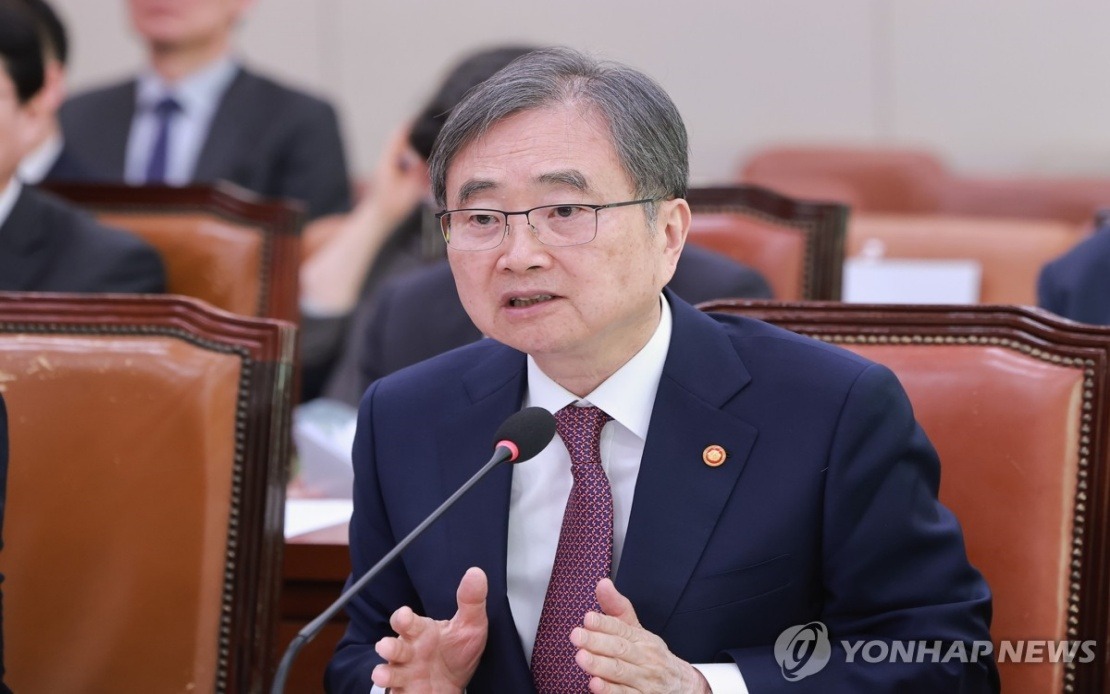
The unexpected manner in which the United States announced significant changes to joint military operations with South Korea has exposed vulnerabilities in diplomatic communication channels between the two allied nations. On August 19, South Korean Foreign Minister Cho Hyun disclosed to parliament that his government first became aware of reductions to the Ulchi Freedom Shield (UFS) exercise through a social media post from US President Donald Trump, rather than through conventional diplomatic channels or advance coordination with the American government.
This revelation highlights a troubling disconnect in how critical defence matters are being communicated between Washington and Seoul, particularly concerning operations directly affecting Korea's national security posture. Neither South Korean nor American government officials possessed advance knowledge of Trump's announcement, according to Cho's statement to the parliamentary committee for foreign affairs and unification. The absence of prior consultation represents a departure from established protocols governing military cooperation between the two countries, raising questions about the reliability of existing communication frameworks during a period of heightened regional tension.
The specific military exercise in question, the Ulchi Freedom Shield, serves as a cornerstone of the South Korea-US security alliance. This summertime joint operation encompasses field manoeuvres, computer-simulated command post exercises, and civil defence drills designed to enhance operational readiness against potential threats from North Korea. The exercise had been originally scheduled to run from August 17 through August 27, but South Korea's Joint Chiefs of Staff subsequently confirmed that the duration would be truncated to August 17-21, reducing the training period by six days.
Trump's announcement on August 16 stated that he had directed the Pentagon to substantially scale back the scope of the joint South Korea-US military exercises. The instruction represented a significant policy decision affecting alliance operations, yet it appears to have been communicated through social media before official government-to-government notification occurred. This approach contrasts sharply with traditional diplomatic practice, where military decisions of this magnitude would typically be coordinated through defence ministry channels well in advance of any public disclosure.
In an effort to mitigate concerns about the lack of advance notice, South Korean Defence Minister Ahn Gyu-back immediately initiated intensive consultations with the US Department of Defense following Trump's social media post. Cho emphasised during his parliamentary testimony that the situation should not be characterised as a unilateral American decision imposed without input from Seoul. Rather, he framed the subsequent engagement between South Korean and US defence officials as an ongoing collaborative process aimed at clarifying the scope and implications of the exercise modifications.
Commander of the US Forces Korea Xavier Brunson visited South Korea's defence ministry building on Tuesday, underscoring the urgency with which the American military command sought to engage Seoul's leadership directly. Such high-level visits typically indicate efforts to rebuild understanding and reinforce alliance cohesion following unexpected policy announcements. The timing of Brunson's visit, occurring within days of Trump's social media disclosure, suggests an attempt to restore confidence in military coordination mechanisms that had evidently broken down in terms of advance notification.
For Malaysia and other Southeast Asian nations that depend on US security commitments and regional stability, this incident carries implications worth noting. It demonstrates that even long-established military alliances like the South Korea-US relationship can experience communication disruptions when policy decisions are announced through unconventional channels. Such unpredictability in how Washington communicates major strategic decisions can create uncertainty throughout the region regarding the reliability of US defence partnerships and the processes through which significant operational changes are implemented.
The curtailment of the Ulchi Freedom Shield exercise duration also reflects evolving strategic considerations that Trump has prioritised regarding US military deployments in East Asia. Previous statements from the Trump administration have indicated concerns about the cost of maintaining US forces overseas and questioned the necessity of certain military operations. This perspective has manifested in actual policy decisions affecting operational schedules and exercise frequency, signalling a potential recalibration of American defence priorities in the region.
For South Korea specifically, the reduced exercise period presents operational challenges. While six days may not seem substantial, the compressed training schedule limits opportunities to conduct comprehensive civil defence drills and full-scale command post exercises that are essential for maintaining interoperability between South Korean and American forces. The civil defence component, in particular, is crucial given South Korea's vulnerability to North Korean military threats and the importance of civilian-military coordination in emergency scenarios.
The incident also underscores the diplomatic challenges facing Seoul in navigating its relationship with Washington when major decisions affecting national security are communicated through means that bypass traditional government channels. South Korea must balance its reliance on American military support with the need to exercise agency in decisions directly affecting its defence posture. The manner in which Cho responded to parliamentary questions suggests Seoul is attempting to maintain the appearance of collaborative decision-making even when the initial notification process fell short of diplomatic standards.
Moving forward, this episode may prompt South Korea and the United States to review and strengthen their communication protocols for defence matters, ensuring that changes to joint military operations follow established consultation procedures. Such reviews are standard practice following communication breakdowns in military-to-military relationships, particularly when those breakdowns could affect operational planning and force readiness. Enhanced communication mechanisms could help prevent similar incidents and reinforce the predictability that alliance partners require when making force deployment and training decisions.
The broader context of this incident also reflects the complex dynamics of US foreign policy under Trump's administration, which has demonstrated a willingness to challenge conventional diplomatic practices and make major announcements through unconventional platforms. While this approach may appeal to Trump's domestic political base, it creates challenges for long-standing allies who expect consistency and advance coordination on matters affecting shared security interests. For regional observers including Malaysia, the incident serves as a reminder that alliance relationships are subject to change, and that diversification of security partnerships and strategic resilience remain important considerations for nations in the region.

