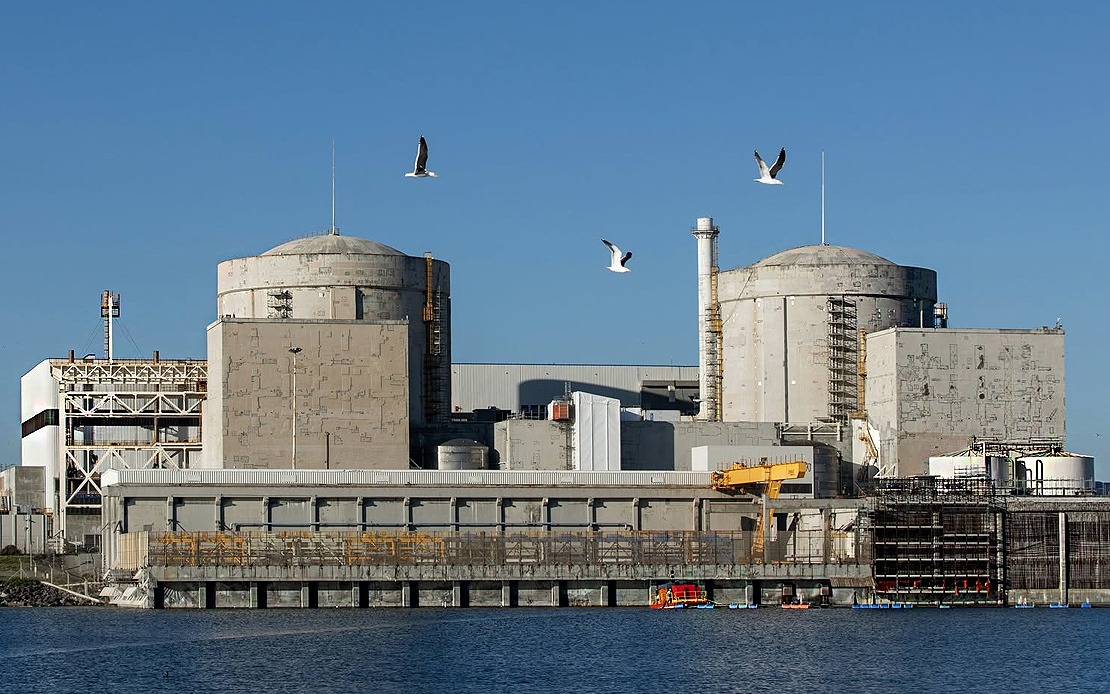
South Africa's Energy Minister Kgosientsho Ramokgopa disclosed on Sunday that workers at the Koeberg Nuclear Power Station, situated approximately 30 kilometres north of Cape Town, had sustained exposure to radiation during routine maintenance operations spanning three separate occasions. The incidents transpired on June 30, July 2, and July 7, prompting immediate government statements reassuring the public that containment measures proved effective and no radioactive material escaped into the surrounding environment.
The minister characterised the radiation doses absorbed by affected personnel as substantially lower than the exposure individuals receive during a standard dental X-ray examination, a comparison intended to contextualise the minimal health risk involved. Authorities maintained that nearby residential communities faced no danger whatsoever from the exposures, and that all incidents had been swiftly brought under control through existing safety protocols. The government's emphasis on public reassurance reflects broader sensitivities around nuclear energy expansion in a nation where energy security remains a contentious policy issue.
Investigations identified a transient electrical supply disruption as the underlying cause of the three occurrences. This power interruption temporarily compromised the plant's ventilation systems, creating the conditions under which worker exposure became possible. Such system failures, while operationally manageable through established safety procedures, underscore the technical complexity and interconnected nature of modern nuclear facilities, where auxiliary systems play critical roles in maintaining radiation containment.
Velaphi Ntuli, commanding the national nuclear safety division, confirmed that none of the three incidents crossed the formal threshold necessary for classification as reportable nuclear safety events under South African regulatory frameworks. This assessment suggests the incidents fell within acceptable operational parameters, though the disclosure itself indicates government transparency regarding workplace safety matters at the facility. The regulatory determination carries significance for international confidence in South African nuclear oversight, particularly as the nation advances ambitious expansion plans.
South Africa's commitment to nuclear energy expansion reflects deepening energy sector pressures that have intensified over the past decade. The government projects adding 5.2 gigawatts of nuclear generating capacity by 2039, a substantial commitment requiring massive capital investment and sustained political will. This expansion strategy directly addresses chronic electricity deficiencies that have plagued the nation's economic productivity, with rolling blackouts becoming routine across industrial and residential sectors since the mid-2010s.
The country's electricity generation infrastructure remains disproportionately reliant on coal-fired generation, a legacy of apartheid-era energy policy that perpetuates both economic inflexibility and environmental challenges. Nuclear power represents a strategic pivot toward decarbonisation, complementing the government's broader renewable energy targets while providing baseload generation capacity that wind and solar installations cannot reliably deliver. The Koeberg incidents occur within this complicated context of energy transformation, where public confidence in nuclear safety directly influences political acceptability of expansion.
Public concerns about nuclear expansion persist despite government assurances, reflecting international patterns of scepticism regarding radiation risks and waste management. These incidents, though officially characterised as minor and well-managed, may reinforce existing apprehensions among constituencies already hesitant about scaling up nuclear infrastructure. The regulatory designation of incidents as non-reportable, while technically accurate, could alternatively be perceived as downplaying workplace safety issues if communication strategies prove inadequate.
For Malaysia and Southeast Asia, South Africa's nuclear expansion trajectory offers instructive parallels and contrasts. The region's own energy security challenges, particularly in Indonesia and the Philippines, have prompted renewed discussions about nuclear power's role in achieving climate goals while meeting rising electricity demand. South Africa's experience managing technical incidents at operational facilities provides cautionary reference points regarding the infrastructure readiness and regulatory maturity required for successful nuclear deployment.
The government's 2050 objective to generate the majority of national electricity from non-fossil fuel sources anchors the nuclear expansion within broader decarbonisation commitments. Achieving this transition requires unprecedented coordination across multiple energy technologies, substantial infrastructure investment, and sustained political consensus transcending electoral cycles. Nuclear power's capacity factor advantages and minimal operational emissions position it as strategically essential to this vision, despite remaining public reservations about safety and waste management.
The Koeberg incidents ultimately illustrate the quotidian operational challenges inherent in managing complex technological systems, even when designed with multiple safety redundancies. Power system vulnerabilities that disrupt auxiliary equipment demonstrate how modern electrical grids' brittleness can create cascading effects across nominally independent installations. As South Africa proceeds with nuclear expansion, strengthening grid reliability and electrical system redundancy emerges as prerequisite infrastructure investment alongside reactor development.
Foreign investors and international partners evaluating South Africa's nuclear sector will scrutinise both the incidents themselves and official responses as indicators of regulatory competence and transparency. Consistent, forthright communication regarding safety events, even minor ones, builds international confidence more effectively than minimisation strategies. The government's apparent willingness to disclose these incidents suggests maturing regulatory culture, though continued emphasis on comprehensive reporting and detailed technical analysis will remain essential as the nuclear programme expands.

