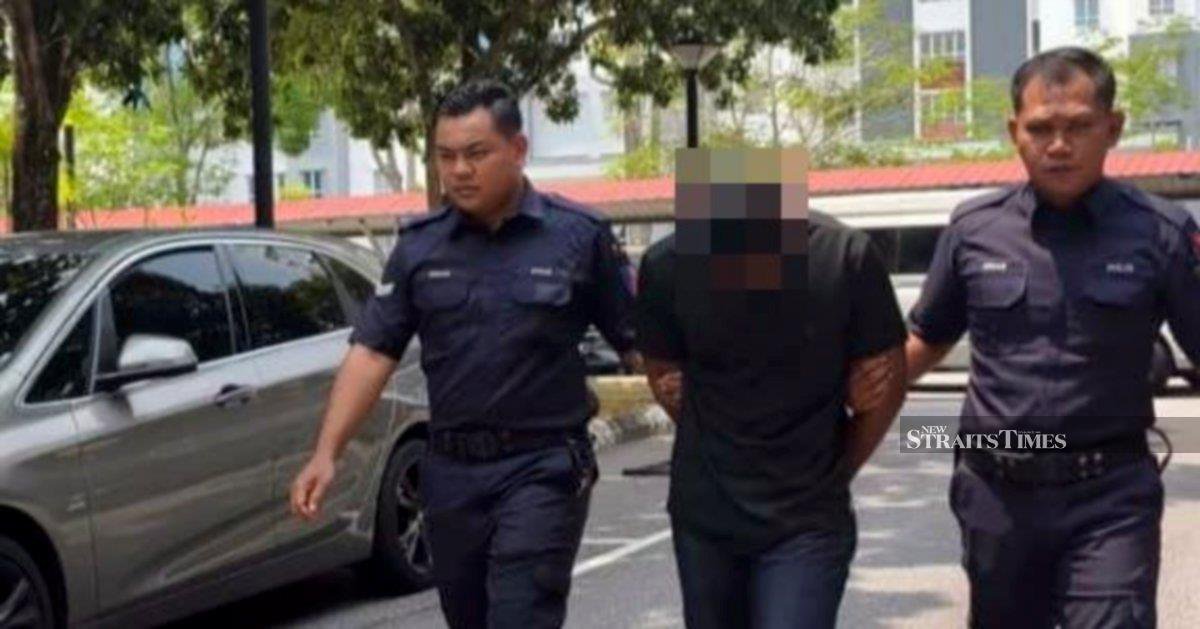
A soldier accused of accidentally firing a weapon during a shooting range exercise in Port Dickson has been remanded in custody for a three-day period as authorities continue their investigation. The incident, which took place at a firing range situated near Hutan Menyala in the Negeri Sembilan coastal town, resulted in a colleague sustaining injuries. Seremban police confirmed the remand order on the day following the alleged discharge.
The circumstances surrounding the accidental discharge point to a potentially serious lapse in firearm safety protocols during what should have been a routine military training activity. Such incidents, while occasionally occurring in armed forces operations globally, raise important questions about the adequacy of range safety procedures and the supervision standards in place during weapons training sessions. The Negeri Sembilan authorities are treating the matter with the seriousness it warrants, given the severity of injuries sustained by the affected soldier.
Port Dickson, located in Negeri Sembilan, hosts various military facilities and training grounds that serve the Malaysian armed forces. The Hutan Menyala shooting range is one of several venues across the country where armed personnel conduct weapons proficiency and training exercises. These facilities maintain strict operational schedules and are subject to regular safety audits to ensure compliance with military and civilian safety regulations. The presence of such incidents, however rare, demonstrates the inherent risks associated with live-fire training regardless of precautions in place.
The three-day remand period granted by the court will allow investigating officers to gather comprehensive evidence and witness statements from personnel present at the range during the incident. Investigators must establish the precise sequence of events leading to the discharge, examine maintenance records of the weapon involved, and assess whether established safety procedures were properly followed. This methodical approach is standard in cases involving weapon-related incidents, where determining liability and identifying any procedural failures becomes crucial.
For the injured soldier, the incident represents an unexpected and traumatic experience during what was meant to be a controlled military exercise. The severity and nature of the injuries will determine the course of medical treatment required and the individual's recovery timeline. Military personnel involved in such accidents often face psychological impacts beyond physical injuries, as the breach of safety expectations can affect confidence in their working environment and colleagues.
The military establishment in Malaysia maintains comprehensive training frameworks designed to minimise such occurrences. Soldiers undergo extensive instruction in weapon handling, range safety, and emergency procedures before participating in live-fire exercises. Instructors are typically present throughout training sessions to monitor compliance with safety protocols. When accidents nevertheless occur, they trigger formal reviews to identify gaps in training delivery or procedural implementation that may have contributed to the incident.
This incident will likely prompt a broader review of safety measures at the Hutan Menyala facility and potentially across other military shooting ranges in the country. Such reviews are standard practice following accidents and help identify whether universal improvements could prevent similar occurrences elsewhere. The investigation findings may also inform refinements to training materials, instructor briefings, or equipment maintenance schedules if deficiencies are identified.
The Malaysian military maintains one of the region's more structured training regimes, yet like all organisations handling weapons, remains subject to the inherent unpredictability of human operations. Even the most rigorous safety systems rely ultimately on individual vigilance and adherence to protocols. The investigation will likely examine whether the soldier involved received adequate training, whether supervision was sufficient, and whether the weapon itself was properly maintained.
For the wider military community and for Malaysian citizens who rely on a professionally-trained armed forces, such incidents serve as reminders of the serious responsibilities inherent in military service. The three-day remand allows adequate time for investigators to determine whether this was purely an unfortunate accident or whether any negligence or failure to follow proper procedures contributed to the outcome. The results of this investigation will be important not only for determining accountability in this specific case but also for ensuring that lessons learned are applied across the entire training apparatus.
As the investigation progresses over the coming days, more details regarding the exact circumstances of the discharge and the condition of the injured soldier are likely to emerge. The military authorities and Seremban police have indicated their commitment to conducting a thorough examination of all factors involved, with a view to both determining responsibility and implementing any necessary preventative measures.

