Parliament has received the Social Work Profession Bill 2026, a legislative milestone that formally recognises the social work profession in Malaysia and elevates its standing within the nation's social protection architecture. The tabling of the bill on July 13 represents a decisive moment for thousands of social workers whose contributions to vulnerable populations, family stability and community resilience have long operated without formal statutory recognition. The Malaysian Association of Social Workers (MASW) characterised the development as a transformative step that converts years of professional advocacy into concrete legal protection and regulatory oversight.
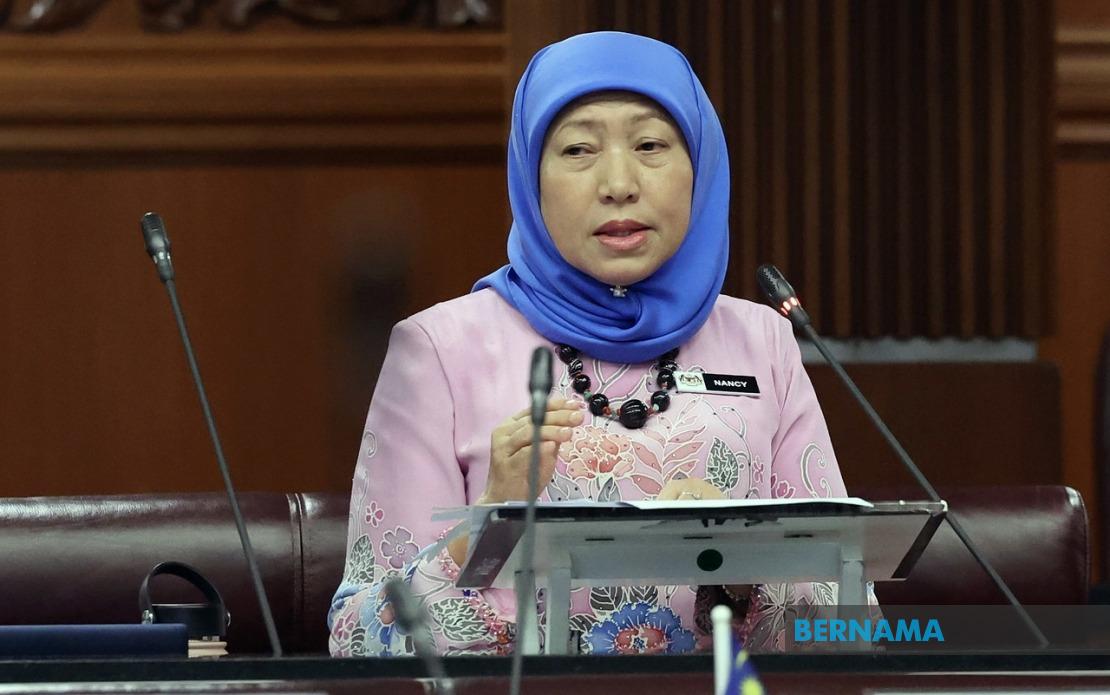
Women, Family and Community Development Minister Datuk Seri Nancy Shukri and her ministry have been instrumental in steering the legislation through the parliamentary process. MASW publicly acknowledged their sustained commitment to advancing social work as a regulated profession, recognising the political will required to prioritise welfare and community development in a competitive legislative agenda. This ministerial backing provides crucial institutional support as the bill moves through its parliamentary stages and toward eventual implementation across government and non-government sectors.
The foundation for this legislation traces back over fifteen years, with formal work commencing in 2010. The drafting process has been notably inclusive, drawing on expertise from MASW leadership, academic institutions offering social work education, and practitioners across both public agencies and civil society organisations. This collaborative approach ensured the bill reflects genuine professional needs while addressing public policy imperatives, creating legislation grounded in real-world practice rather than theoretical abstractions. The Technical Committee and Special Project Team that guided development brought diverse sectoral perspectives to bear, producing a framework intended to serve both practitioners and the communities they serve.
Recognition carries profound implications for the social work workforce's professional standing. Dr Teoh Ai Hua, MASW president, articulated the core principle underpinning the bill: that Malaysian citizens' protection, wellbeing and human dignity demand a social work sector characterised by genuine competence, ethical conduct and legally recognised professional status. This framing positions social workers not as ancillary welfare administrators but as essential professionals whose expertise demands the same regulatory rigour and public confidence afforded to medicine, law and engineering. Formalising the profession creates mechanisms for quality assurance, disciplinary accountability and continuous professional development that currently remain fragmented.
The bill simultaneously positions Malaysia within internationally respected frameworks governing social work practice and education. The legislation aligns Malaysian standards with the Ha Noi Declaration on Strengthening Social Work towards a Cohesive and Responsive ASEAN Community, adopted in 2020, signalling Malaysia's commitment to regional social development coordination. Equally significant is alignment with the Global Standards for Social Work Education and Training established jointly by the International Association of Schools of Social Work (IASSW) and the International Federation of Social Workers (IFSW). This international anchoring enables cross-border professional mobility, facilitates knowledge exchange within the ASEAN region, and ensures Malaysian social work training meets globally recognised benchmarks.
MASW vice-president Dr Mohd Iqbal Haqim Mohd Nor described the bill's tabling as transforming extended advocacy into concrete institutional hope, reflecting the profession's long struggle for statutory recognition. The passage from decades of informal practice to formalised regulation represents more than symbolic validation; it establishes enforceable standards, creates professional registration systems, and provides legal recourse for ethical violations. This transition fundamentally reshapes how social work operates within Malaysian institutional structures, moving from discretionary professional space toward codified expectations and accountabilities.
The parliamentary journey ahead requires constructive engagement from elected representatives. MASW honorary secretary Amy Bala has explicitly called on Members of Parliament to actively support the bill through its legislative stages while contributing thoughtful scrutiny to strengthen its provisions. This balanced approach recognises that parliamentary deliberation, if conducted rigorously, can refine legislation before passage rather than after implementation problems emerge. Bala's emphasis on constructive engagement rather than rubber-stamp approval reflects professional confidence in the bill's fundamentals while acknowledging that legislative refinement through parliamentary debate serves public interest.
Effective implementation presents the subsequent challenge requiring sustained commitment. Bala further urged stakeholders across government, civil society and educational institutions to ensure the legislation translates from statutory text into operational reality through adequate resource allocation and transparent institutional processes. Malaysian experience demonstrates that legislation without implementation infrastructure often becomes inert—professional regulations without funding for registration systems, complaint mechanisms and enforcement capacity remain merely aspirational. MASW's call for transparency particularly addresses concerns that regulatory structures might become vehicles for excluding practitioners from marginalised backgrounds or stifling innovative community-based approaches.
The bill's passage would fundamentally restructure how Malaysia approaches social protection as a national priority. Currently, social work operates across fragmented institutional arrangements—government welfare departments, NGOs, community organisations and schools—often with inconsistent training, varying ethical standards and limited professional mobility. Formal regulation creates unified standards across these contexts, ensuring Malaysians encountering social workers receive comparable professional competence regardless of sectoral employment. For practitioners, registration and regulation provides career security, professional prestige and legal protection against arbitrary employment practices.
Regional context amplifies the bill's significance. Across ASEAN, social work remains unevenly professionalised, with some countries having advanced regulatory frameworks while others, including Malaysia, have operated without formal statutory recognition. Malaysia's move toward regulation positions the nation as a regional leader in social work professionalisation, potentially influencing peer countries and strengthening ASEAN-wide social development coordination. The alignment with the Ha Noi Declaration creates regional standards to which member states can aspire, fostering more coherent social welfare cooperation across Southeast Asia's diverse development contexts.
The legislation also reflects evolving Malaysian society's complexity. Urbanisation, economic transformation, family structure changes and emerging vulnerabilities including mental health challenges and digital-age risks require professional expertise beyond traditional welfare administration. Formal social work recognition acknowledges that contemporary social protection demands trained, ethically accountable professionals rather than generalised bureaucrats. This is particularly significant given Malaysia's status as an upper-middle-income nation where populations increasingly expect professional service standards comparable to developed economies.
Looking forward, the bill's parliamentary approval remains pending, though MASW's optimism reflects broad stakeholder consensus. The profession itself has invested significantly in the legislative process, demonstrating commitment to self-regulation and professional development. Once enacted, implementation will require government budget allocation for professional councils, registration systems and complaint mechanisms. Educational institutions will need to formalise social work curricula against regulatory standards. Employment practices across sectors will adapt to credentialing requirements. These downstream effects, though administratively complex, signal that Malaysia takes social protection and professional standards seriously within its governance architecture.

