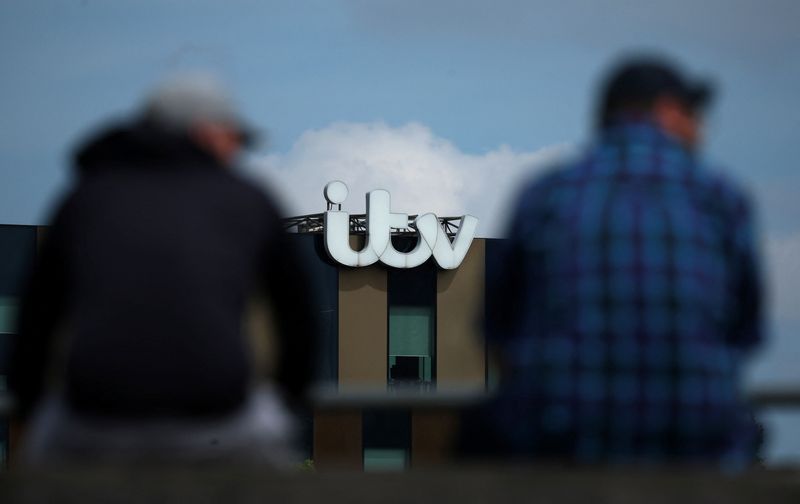
The British television landscape is undergoing its most significant transformation in decades, with Comcast-owned Sky agreeing to acquire the broadcast channels and streaming operations of ITV in a £1.6 billion transaction announced on Monday. The merger represents a watershed moment for traditional broadcasters grappling with the accelerating shift toward digital consumption, marking what Sky CEO Dana Strong characterised as a defining moment comparable to the most pivotal moments in British broadcasting history. The combination creates a media powerhouse with sufficient scale to compete against global streaming behemoths including Netflix, Amazon, and Disney, though the deal will require extensive regulatory approval before proceeding.
The structural rationale behind the merger reflects transformative pressures reshaping the global media sector. Over the past five years, ITV shares have lost 36 percent of their value as advertising revenues contracted and audiences fragmented across streaming platforms. The broadcaster's deteriorating financial position, coupled with YouTube and subscription-based competitors capturing younger demographics, forced strategic reconsideration of ITV's standalone viability. Sky, meanwhile, has experienced similar pressures since Comcast acquired the company in 2018, prompting the American conglomerate to announce plans for spinning off its media assets from cable operations to unlock shareholder value and facilitate strategic partnerships.
A principal concern surrounding the transaction involves competitive implications within Britain's television advertising market. The combined entity would control approximately 70 percent of the UK television advertising market share, incorporating not only ITV's free-to-air broadcast inventory and Sky's substantial subscriber base representing over 20 million households, but also third-party advertising contracts that Sky manages for channels including Paramount-owned Channel 5. This unprecedented concentration of advertising power has prompted speculation that regulators may demand structural remedies to facilitate approval. Sky may be compelled to relinquish certain third-party advertising sales contracts to satisfy regulatory authorities concerned about market dominance.
Regulatory scrutiny will prove crucial in determining whether this transaction proceeds as structured. Under previous governmental approaches to media consolidation, such a merger would likely have faced significant obstacles or outright rejection. However, the 2025 government priority emphasising growth and investment conditions signals potential regulatory flexibility toward consolidation that strengthens British competitiveness globally. Culture Minister Lisa Nandy demonstrated appetite for media sector intervention when she indicated willingness to intervene in the proposed Paramount-Warner tie-up, suggesting active engagement with industry restructuring while balancing competitive and cultural concerns. The ITV-Sky transaction will serve as a bellwether for whether British regulatory frameworks have shifted toward accommodating larger domestic players capable of competing internationally.
The transaction structure reflects careful negotiation around ITV's ongoing operational complexity. ITV will receive £1.2 billion in immediate cash along with an earn-out provision potentially worth £200 million contingent upon advertising performance in the 2027 financial year. Beyond financial compensation, ITV will gain control of Love Productions, the production company behind The Great British Bake Off, which will join the remaining ITV Studios operations. This arrangement enables ITV to maintain independence as a standalone production business, continuing to create prestigious programming including Love Island and Coronation Street for the merged broadcasting entity while simultaneously producing content for international streamers such as Disney and Apple Television.
ITV's historical evolution as a production powerhouse extends beyond domestic audiences. The company now develops entertainment and drama for global consumption, demonstrating that British production expertise commands premium positioning within international entertainment ecosystems. Maintaining ITV Studios as an independent production entity within the merged structure preserves opportunities for the company to generate revenues from external broadcasters and streaming services worldwide, diversifying income streams beyond the consolidated Sky-ITV broadcast business. This separation of production from distribution reflects contemporary media economics where content creation and distribution channels have become distinct revenue drivers.
The merged company has committed to minimum programming investment of £2.1 billion across the 2028-2032 financial period, addressing public service broadcasting obligations and cultural concerns regarding content quality. This investment commitment attempts to demonstrate that consolidation will strengthen rather than diminish British television programming quality, counteracting arguments that market concentration inevitably reduces investment in original content. The commitment recognises that regulatory approval depends partly on cultural considerations extending beyond narrow competitive metrics, particularly regarding British programming's role in national cultural expression.
Demographic trends underlying the merger's strategic logic warrant particular emphasis. Traditional television audiences continue fragmenting, with young audiences aged 16-24 increasingly consuming content through YouTube, TikTok, and subscription services rather than scheduled broadcasting. The combined Sky-ITV entity argues that scale and integration enable more competitive streaming offerings and digital advertising capabilities than either company could develop independently. However, whether consolidation addresses underlying audience migration or merely postpones competitive adjustment remains open to debate. The merger represents traditional broadcasters' attempt to achieve sufficient scale for streaming competition rather than fundamental innovation in content discovery or consumer engagement.
The transaction's international implications extend beyond Britain's borders. Southeast Asian media companies and regulators observing this transaction will assess whether similar consolidation becomes regulatory-acceptable in their own jurisdictions. Asian broadcasters facing comparable pressures from Netflix, Amazon Prime, and regional streaming competitors may consider comparable mergers if British regulators approve the ITV-Sky deal. The precedent established here could influence media consolidation trends across Commonwealth jurisdictions and beyond. Additionally, Malaysia's own media landscape—comprising public broadcasters, private commercial operators, and increasingly sophisticated streaming entrants—may experience pressure for strategic combinations if British regulators signal openness toward consolidation.
Sky's Comcast ownership introduces American capital perspectives into what has traditionally been viewed as a distinctly British industry. The deal reflects broader American investment in European media assets, driven partly by Comcast's strategic repositioning toward media and technology rather than traditional cable distribution. This transatlantic flow of capital, governance approaches, and strategic thinking will influence how the merged entity operates, competes, and manages public service broadcasting obligations within Britain's regulatory framework. The combination of American corporate structure with British regulatory oversight and cultural obligations creates inherent tensions that the merged company must navigate.
Market reaction remained cautiously measured on announcement, with ITV shares trading up 0.5 percent to 82 pence, reflecting investor scepticism about deal completion probability given regulatory hurdles. The relatively muted positive response suggests markets recognise substantial regulatory risks remain before the transaction achieves closure. Dealmakers throughout Britain will be scrutinising regulatory decisions closely, as approval would potentially unlock consolidation opportunities previously considered foreclosed. The precedent established through ITV-Sky regulatory treatment will effectively determine whether Britain's media sector experiences continued fragmentation or accelerated consolidation over coming years. This transaction thus represents far more than a simple business combination—it constitutes a potential inflection point for British media structure and regulation.

