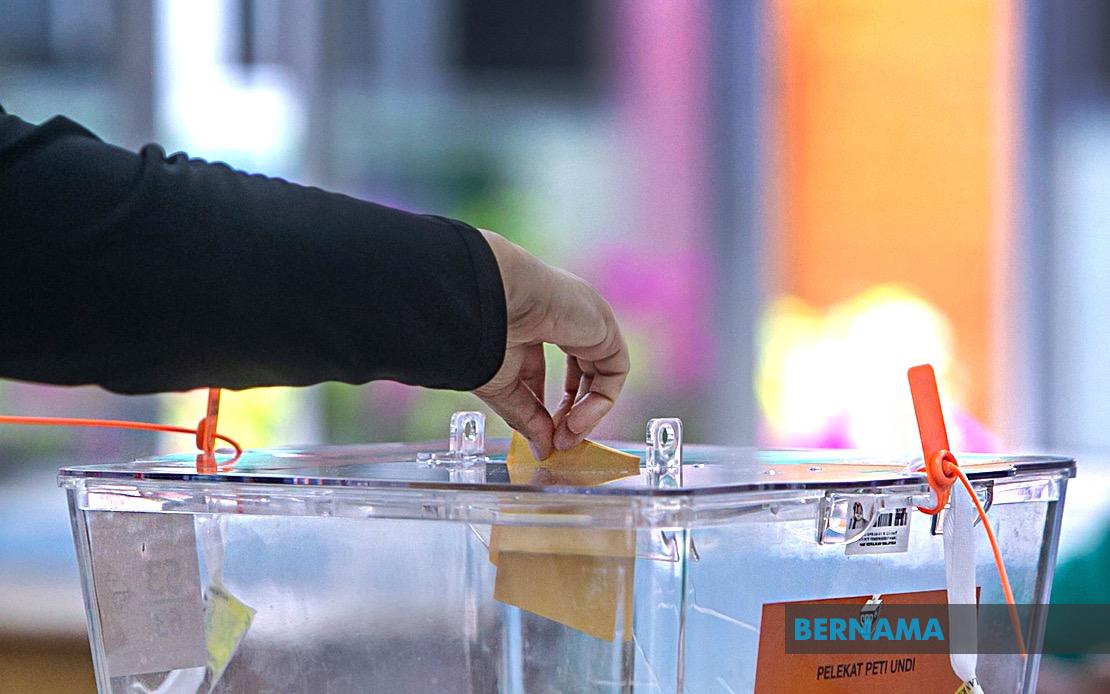
The Ministry of Youth and Sports (KBS) has issued formal instructions to all Youth and Sports Skills Training Institutions (ILKBS) nationwide to evaluate applications for special leave from students who need to return to their home constituencies to participate in elections. The directive, which came into effect following a notification from the ministry's Youth Skills Development Division (BPKB) to all institution directors, aims to eliminate the conflict many young voters face between their educational commitments and their civic responsibilities during general elections, state elections, or by-elections.
The policy addresses a longstanding tension in Malaysian society where young people undertaking vocational and skills training programmes have struggled to balance institutional requirements with their constitutional right to vote. By formalising a mechanism for granting special leave, the ministry acknowledges that participation in democratic processes is not merely a privilege but a fundamental responsibility that should not be hindered by training schedules. This move signals a broader recognition within government circles that youth engagement in electoral participation strengthens democratic legitimacy and institutional trust.
According to the ministry's statement, the application process requires students to submit requests directly to their respective ILKBS management teams. Each application will be evaluated based on several practical considerations, including the distance between the training institution and the student's polling centre, the reasonable travel time required, and the feasibility of coordinating the absence with existing training and learning schedules. This contextual approach ensures that decisions are made transparently while accommodating genuine hardships without creating administrative loopholes.
The approval authority rests with individual ILKBS directors, granting each institution flexibility to manage attendance records systematically while maintaining institutional standards. This decentralised decision-making model reflects trust in institutional leadership while ensuring consistency with national policy objectives. By making directors responsible for approvals, the ministry effectively creates accountability at the local level while preventing arbitrary denials that might discourage youth participation.
The ministry has particularly emphasised the importance of early notification to eligible voters within the ILKBS system. By informing students well in advance of electoral schedules, institutions allow sufficient time for applications to be submitted and processed. This advance planning also enables students to arrange their travel logistics smoothly and systematically, reducing last-minute disruptions to training schedules and improving overall coordination between the institutions and their student body.
From a broader governance perspective, this policy reflects evolving attitudes toward youth participation in Malaysian democracy. Skills training institutions serve predominantly younger demographics, many of whom are voting for the first time or establishing their patterns of civic engagement. The decision to facilitate their participation suggests the government recognises that investing in youth voter participation generates long-term democratic dividends through improved legitimacy and younger cohorts becoming regular participants in the electoral process.
The welfare and safety of students remain prioritised throughout the approval process, according to ministry guidelines. This consideration is particularly significant given that many ILKBS students reside away from home during their training periods. By ensuring that travel arrangements are made systematically rather than hastily, the policy protects young voters from the risks associated with rushed or unsafe journeys to remote polling locations during potentially busy election periods.
For ILKBS directors, the policy introduces a new administrative responsibility requiring careful judgment calls on individual applications. However, the outlined criteria provide clear benchmarks for decision-making. Directors must balance legitimate training objectives against students' fundamental rights, a task that the ministry's framework helps facilitate by offering transparent standards rather than leaving decisions entirely to discretion.
The ministry's public messaging explicitly framed voting as a voice that shapes the nation's future, positioning electoral participation as inseparable from skills training objectives. This rhetorical approach recognises that technical competence and responsible citizenship represent complementary components of personal development. By encouraging ILKBS students to become active participants in strengthening democracy and national development, the ministry articulates a vision of youth training that extends beyond narrow vocational acquisition to encompass broader civic consciousness.
For Malaysian voters under 35, many of whom are concentrated in training institutions and early career stages, this policy removes a structural barrier to participation. The decision particularly benefits students from rural and remote constituencies who must travel significant distances to vote, groups who would otherwise face genuine logistical obstacles in exercising their rights. By recognising and accommodating these geographic realities, the policy helps ensure that electoral participation is not inadvertently skewed toward those with convenient access to voting locations.
The implementation of this policy will likely be monitored to assess its effectiveness in improving youth voter turnout during subsequent electoral cycles. If successful, it could serve as a model for other educational and training institutions to adopt similar measures, gradually creating a more inclusive electoral system that actively facilitates rather than passively permits youth participation. The long-term impact on Malaysian democracy will depend on how comprehensively institutions embrace the spirit of the directive and how effectively students learn that their voices matter within democratic processes.

