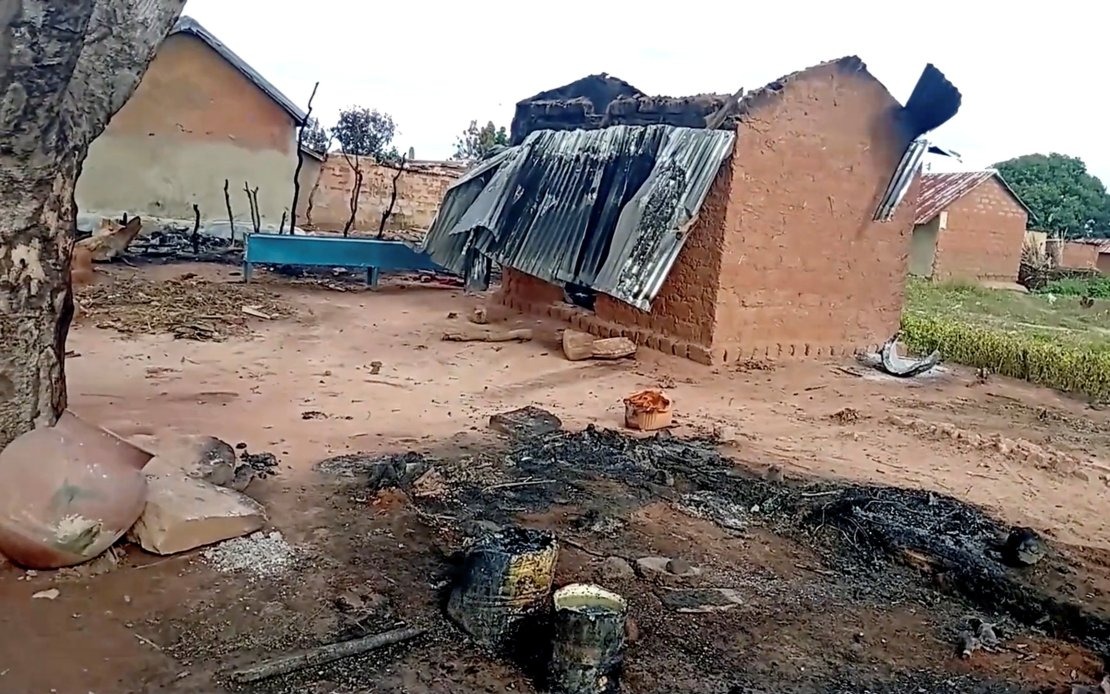
A devastating terrorist attack has claimed the lives of at least 16 soldiers from Niger's Defence and Security Forces, with another 23 personnel sustaining injuries in an assault that underscores the persistent instability gripping the country's western territories. The incident occurred in the Tera area within Tillabery region, a zone of longstanding vulnerability situated at the convergence of borders with Mali and Burkina Faso—three nations caught in the grip of protracted armed insurgencies and militant activity.
The Tillabery region represents one of Niger's most fraught security environments, where porous borders and rugged terrain have created conditions permitting militant groups to operate with relative impunity. This particular zone has witnessed repeated cycles of violence, with armed extremists launching coordinated strikes against military installations and patrol units. The attack demonstrates the continuing capacity of terrorist organisations to identify and exploit vulnerabilities within Niger's stretched defence apparatus, despite ongoing military operations across the country.
According to statements issued by Niger's Ministry of Defence, the responding security forces mounted a substantial counteroffensive that proved effective in reversing the initial terrorist momentum. Military personnel, working in conjunction with aerial support assets, successfully pushed back the attacking fighters and prevented further casualties. The coordinated response resulted in significant attrition against the terrorist contingent, with fifteen militants confirmed killed in the engagement.
Beyond personnel losses, the military operation yielded tangible material results that highlight both the nature of these attacks and the capacity of state forces to disrupt militant operations. Authorities recovered five motorcycles utilised by the terrorist group during their assault, whilst destroying a further four vehicles. These motorcycles serve as critical transportation assets for militant organisations conducting rapid-strike operations across the vast expanses of the Sahel, enabling them to reach targets and withdraw before reinforcements arrive.
The comprehensive security response following the initial attack has expanded to encompass broader operations across the affected area. Military forces have initiated systematic search, sweep, and security operations throughout the Tera zone and surrounding territories, indicating a determination to prevent follow-up attacks and gather intelligence regarding terrorist movements. Such operations typically involve cordoning populated areas, conducting thorough searches for weapons and supplies, and establishing enhanced checkpoint controls to restrict militant movement.
This attack arrives amid a troubling trajectory of violence across Niger and the broader Sahel region. The country has experienced a marked escalation in terrorist incidents over the past several years, with groups affiliated with both Al-Qaeda and the Islamic State maintaining active presence and conducting regular strikes against military, governmental, and civilian targets. The western regions bordering Mali and Burkina Faso have emerged as epicentres of this violence, with terrorist organisations exploiting the tri-border zone as a sanctuary and operational base.
For Malaysia and other Southeast Asian nations engaged with Sahel security issues, the incident underscores the destabilising trajectory affecting West Africa. Several Malaysian security analysts have noted that the deterioration across the Sahel creates potential pathways for terrorist financing networks and personnel circulation that could eventually touch Southeast Asian security interests. The prevalence of motorcycle-mounted attacks observed in Niger mirrors tactics documented in other regions, suggesting possible knowledge-sharing among disparate militant groups operating across Africa and beyond.
The immediate security implications for Niger remain profound. With sixteen soldiers killed in this single engagement, the cumulative toll of ongoing conflict continues depleting the military's personnel resources precisely when reinforcements prove difficult to generate and train. The injury of an additional twenty-three soldiers creates short-term operational strain as medical facilities become overburdened and recovery processes consume time and resources. This attrition dynamic has compounded challenges facing Niger's government in maintaining effective territorial control.
The psychological dimensions of this attack merit equal consideration alongside the tactical military aspects. Terrorist organisations conduct strikes precisely to demonstrate state military vulnerability and generate internal instability. Each attack attracts media attention and demoralises both military personnel and civilian populations, furthering the terrorists' objective of undermining state authority and fomenting societal breakdown. The scale of this particular incident—killing sixteen soldiers in a single engagement—sends a powerful message regarding militant capacity and state forces' difficulties in preventing coordinated attacks.
Governmental responses in Niger have historically encompassed military reinforcements, intelligence-gathering intensification, and strategic repositioning of defensive assets. However, these measures face constraints imposed by limited budgetary resources, pervasive corruption within supply systems, and the sheer geographic expanse requiring protection. The Tillabery region's hostile terrain provides natural advantages to lightly-armed, mobile terrorist units whilst creating difficulties for conventionally-organised military forces reliant upon communications infrastructure and logistical supply lines.
Regional dynamics further complicate Niger's security environment. Mali and Burkina Faso face parallel crises involving military instability, government transitions, and intensifying extremist violence. The political instability in these neighbouring states limits opportunities for cross-border cooperation in counter-terrorism efforts, potentially allowing terrorist organisations to exploit jurisdictional boundaries. Recent military coups in Mali and Burkina Faso have additionally introduced uncertainty regarding security force cohesion and operational effectiveness.
Looking forward, Niger faces the formidable challenge of sustaining military operations whilst managing international relationships, addressing governance concerns, and rebuilding public confidence in security institutions. The international community, including Western partners and regional organisations, continues seeking approaches that might stabilise the Sahel without appearing to impose external control. Such constraints leave Niger's government with limited options for rapidly transforming its security situation, suggesting that attacks of this magnitude may persist despite ongoing counterterrorism efforts.

