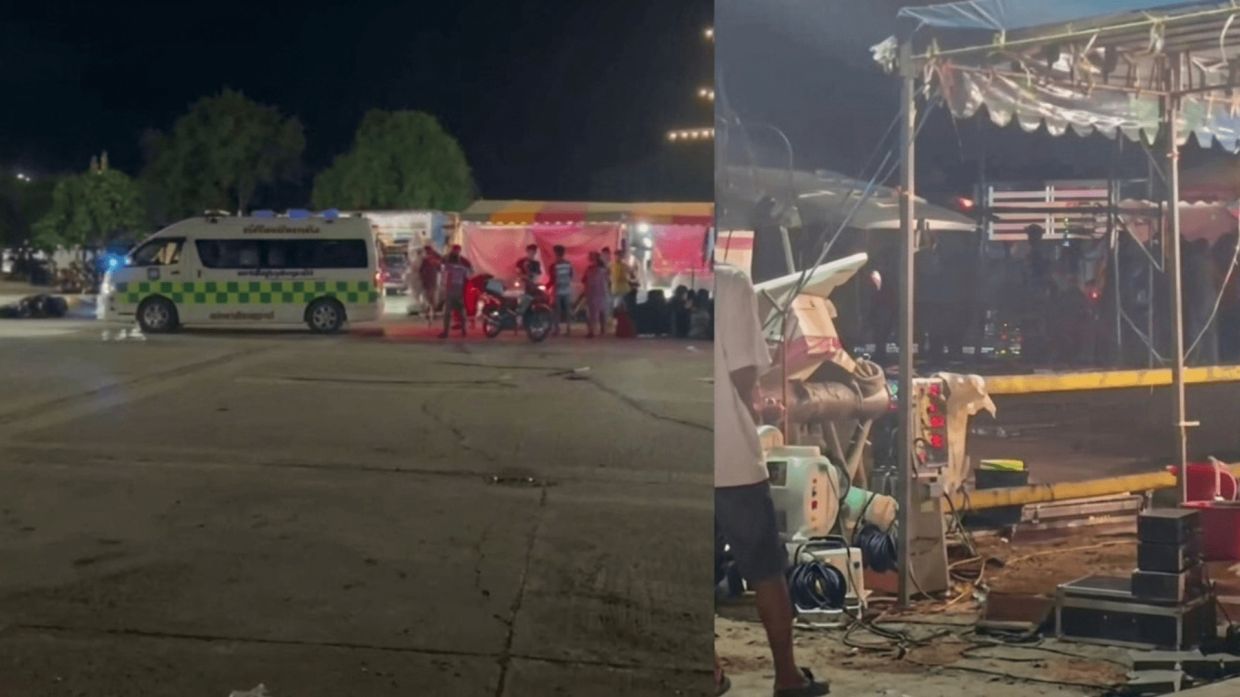
A shooting at a community shopping fair in Dan Khun Thot district, Nakhon Ratchasima province, left six people injured on Wednesday night, marking the third such incident in Thailand within a week. The attack unfolded around 10:30pm at the "Chim Shop Chai" fair, where vendors were closing their stalls and visitors were beginning to leave the event.
Organiser Prakob Patin described a chaotic scene in which multiple attackers wielded both knives and a homemade firearm against fair-goers and merchants. The precise number of assailants remains unclear, though authorities have since identified and apprehended one 32-year-old male suspect linked to the violence. Police seized the homemade weapon used in the shooting, though investigators are continuing to search for additional individuals believed to have participated in the assault.
All six victims were transported to Luang Pho Koon Parisuttho Dan Khun Thot Hospital, the nearest medical facility. Two of the injured sustained severe injuries and were subsequently moved to the regional Maharat Nakhon Ratchasima Hospital for more specialised treatment. Among the most seriously hurt is one victim who remains hospitalised in a comatose state, underscoring the gravity of the assault and raising concerns about long-term health outcomes.
According to preliminary police findings, the shooting erupted following an attempted theft. The suspect allegedly tried to steal a motorcycle parked at the fair, which prompted the vehicle's owner to intervene and confront him directly. Rather than comply with or flee from this confrontation, the suspect apparently retreated from the scene only to return shortly afterwards with armed accomplices carrying knives and firearms, substantially escalating the violence.
Dan Khun Thot Police Station Deputy Investigation Inspector Pol Lt Col Akom Chutkhunthot led the investigation that resulted in the 32-year-old's arrest. Authorities plan to file charges including jointly attempting to murder others using firearms. The police investigation remains active, with officers working to identify and locate the remaining suspects believed to be involved in the assault. Investigators are also seeking to establish whether there were additional motives beyond the apparent motorcycle theft attempt.
This incident arrives amid a troubling spike in gun violence across Thailand. Just five days prior, on August 7, a shooting at Debsirin Nonthaburi School in the greater Bangkok area claimed nine lives, drawing national attention and sparking discussions about security in educational institutions and public spaces. The frequency of shooting incidents within such a compressed timeframe has alarmed Thai authorities and civil society organisations alike.
The pattern intensified further when, on Monday, the president of the Nonthaburi Provincial Administrative Organisation allegedly came under gunfire from a former Thai lawmaker. That incident added a political dimension to the growing crisis of firearm violence, raising questions about whether such attacks stem from personal disputes, organised crime networks, or broader social pressures within Thai society. The clustering of three major shootings within a seven-day window has prompted calls for stricter weapons regulations and enhanced security measures at public gatherings.
Northeastern Thailand, where the Dan Khun Thot fair shooting occurred, has historically grappled with security challenges related to organised crime and gang activity. The region's proximity to borders and complex socioeconomic conditions have occasionally made it vulnerable to criminal enterprises. Community shopping events and night markets, which form the social fabric of Thai provincial life, have now become venues of concern for public safety, potentially affecting attendance and economic vitality of these gatherings.
For Malaysian and Southeast Asian observers, the escalating gun violence in Thailand presents a cautionary tale about the dangers posed by unregulated weapons and homemade firearms proliferating in the region. The Dan Khun Thot incident specifically demonstrates how a minor criminal dispute can rapidly escalate into mass violence when weapons are readily accessible. Similar concerns have been raised in Malaysia and neighbouring countries regarding the circulation of illegal arms and the need for coordinated regional responses to transnational crime networks supplying firearms to criminal elements.
The use of homemade firearms, as evidenced by the weapon seized at the fair, reflects a worrying trend across Southeast Asia where criminal groups fabricate weapons in underground factories, circumventing official regulations. This manufacturing capability enables rapid proliferation and creates investigative challenges for law enforcement agencies attempting to trace weapons used in violent crimes. The fair shooting underscores how such improvised weapons reach frontline communities and significantly increase the casualty toll during violent confrontations.
Thailand's response to this surge in shooting incidents will likely shape public confidence in safety and security during the coming months. Authorities will need to balance swift investigation and prosecution of those responsible with broader policy initiatives addressing root causes of violence. For regional security analysts, the developments in Thailand warrant close monitoring given the potential for copycat incidents and the interconnected nature of cross-border criminal activities in Southeast Asia.

