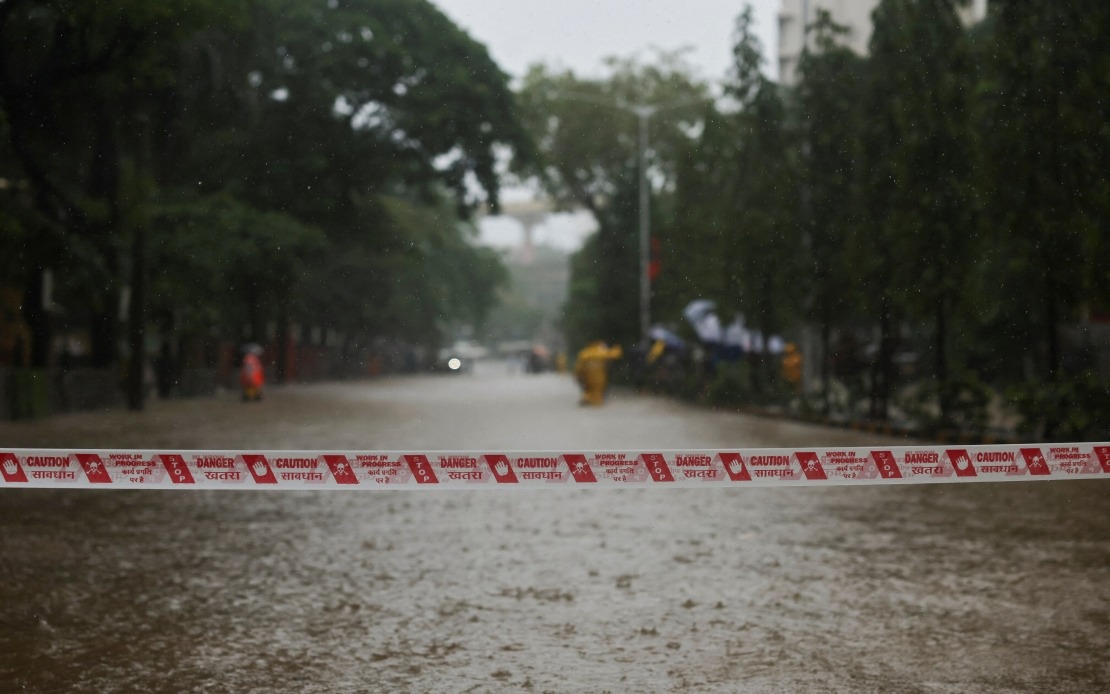
A devastating structural failure in Mumbai has claimed six lives and left one person injured, underlining the dangerous intersection between seasonal weather extremes and ageing urban infrastructure across South Asia's megacities. The incident unfolded in the Mankhurd locality of India's financial hub on Sunday following a sustained period of heavy precipitation that overwhelmed the building's structural integrity. Maharashtra BJP leader and State Minister Girish Mahajan confirmed the fatalities while addressing media representatives, signalling that the state government is treating the collapse as a serious matter warranting systematic investigation.
The timing of this catastrophe reflects a broader pattern of weather-related disasters that afflict South Asian urban centres during the monsoon season. Mumbai, with its dense concentration of residential and commercial properties, remains particularly vulnerable to such incidents as decades-old buildings—many constructed without contemporary safety standards—face the cumulative stress of annual heavy downpours. The Mankhurd collapse exemplifies how rapid urbanisation in India has often outpaced rigorous enforcement of building codes and structural safety protocols, a concern that resonates across Southeast Asia as well, where similar climatic patterns and construction challenges create comparable risks.
State authorities have signalled their intention to conduct a thorough investigation into how the structure was originally constructed and whether it met regulatory requirements at the time of its development. This examination will likely focus on foundational integrity, water drainage systems, and the building materials utilised in its construction. Such inquiries are essential not merely for assigning responsibility but for preventing recurrence, as they often identify systemic gaps in inspection regimes and municipal oversight that have allowed substandard buildings to remain occupied despite deteriorating conditions.
The immediate aftermath of the collapse saw broader disruptions across Mumbai's critical infrastructure. Operations at Chhatrapati Shivaji Maharaj International Airport experienced temporary interruption on Sunday due to the combination of heavy rain and strong winds that accompanied the structural failure. Though brief, the airport disruption demonstrates how extreme weather events cascade through interconnected urban systems, affecting transportation networks and commercial activity beyond the immediate disaster zone.
In response to the dangerous weather conditions, educational authorities proactively declared a holiday for schools and colleges across affected areas, prioritising student safety by removing the necessity for commuting during hazardous conditions. This precautionary measure reflects growing institutional awareness of weather risks and represents a reasonable balance between maintaining educational schedules and protecting vulnerable populations from exposure to severe climatic events.
The broader context for this incident lies in India's predictable yet consequential monsoon cycle, which typically commences in June and continues through September each year. During these months, the subcontinent experiences intense precipitation patterns that have shaped regional geography, agriculture, and urban planning for millennia. However, contemporary urban environments—characterised by impervious surfaces, compromised drainage, and concentrations of buildings of varying structural quality—amplify the hazards that monsoons create, transforming what should be manageable seasonal phenomena into genuine catastrophes.
For Malaysia and other Southeast Asian nations, the Mumbai collapse carries instructive implications. The region experiences similarly intense monsoon systems, and many developing urban areas contend with comparable challenges regarding building safety oversight and infrastructure maintenance. The incident serves as a cautionary reminder of the importance of enforcing stringent building codes, conducting regular structural inspections, and implementing robust urban planning that accounts for intense seasonal precipitation.
The investigation announced by Maharashtra authorities will likely scrutinise whether the building in Mankhurd had undergone recent repairs, whether drainage systems around its foundations were adequate, and whether any warning signs of structural distress had been ignored by property managers or municipal inspectors. Such examinations frequently reveal that catastrophic failures often represent the culmination of multiple small deficiencies—inadequate maintenance, deferred repairs, poor drainage, and insufficient oversight—rather than sudden structural flaws.
Beyond the immediate tragedy, this incident raises systemic questions about urban governance in rapidly expanding Indian cities. Millions of residents across Mumbai and other metropolitan areas inhabit buildings of uncertain structural condition, yet meaningful inspection regimes and mandatory safety certifications remain inconsistently enforced. The challenge intensifies in informal settlements and older neighbourhoods where documentation of original construction standards is sparse or absent entirely, making it difficult to assess risk comprehensively.
The monsoon season, while essential for agricultural sustenance and freshwater replenishment across South Asia, inevitably brings such calamities. Communities living in densely populated urban environments bear disproportionate exposure to weather-related hazards compared to those in well-maintained, properly engineered structures. This inequality reflects broader patterns of urban development where the most vulnerable populations occupy the least resilient buildings, compounding their vulnerability to natural phenomena.
As investigations proceed into what precisely caused the Mankhurd structure to fail, authorities must consider broader questions about building stock resilience across Mumbai and similar cities throughout Southeast Asia. Retrofitting existing structures to withstand monsoon stresses, accelerating the demolition and replacement of irredeemably compromised buildings, and strengthening inspection and certification regimes represent essential components of any comprehensive response. Without such systematic improvements, similar tragedies will inevitably recur as long as seasonal rains continue to fall on ageing, inadequately maintained urban infrastructure.

