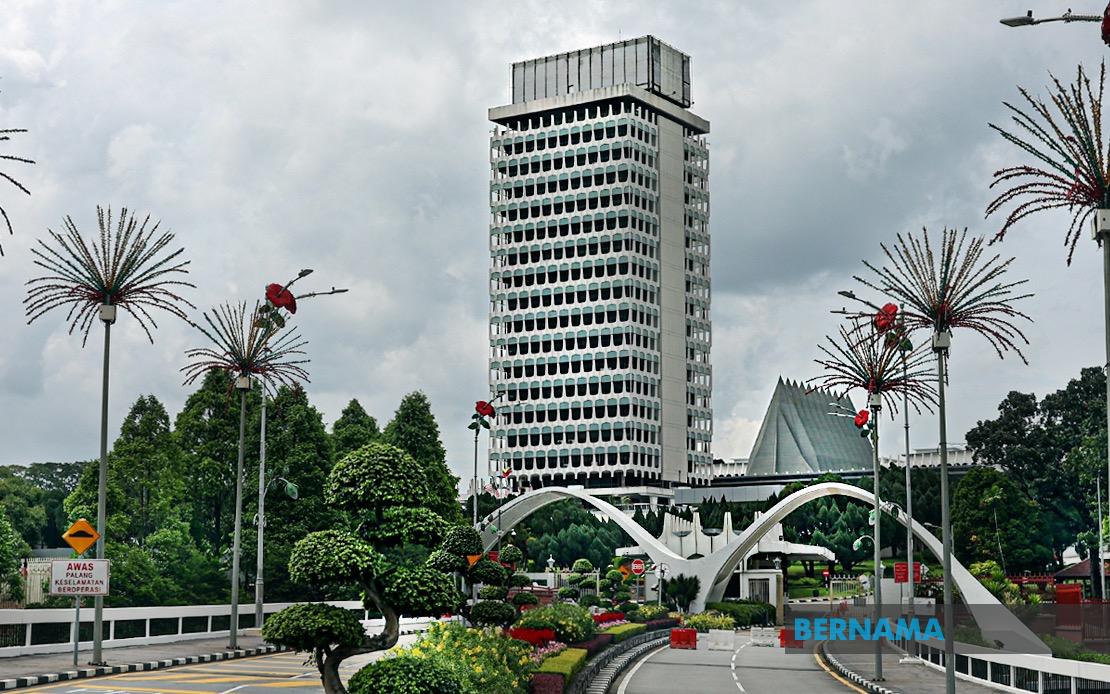
Malaysia's parliamentary sitting got off to a measured start this week, with lawmakers approving just a single piece of legislation during the first seven days of the Second Meeting of the Fifth Session. The Road Transport (Amendment) Bill 2026 became the sole measure to clear the chamber, reflecting what appears to be a more deliberate legislative pace as parliament addressed pressing national concerns ranging from job losses to security challenges.
The approved bill represents a substantive effort to close enforcement gaps that have long complicated authorities' ability to tackle illegal street racing. Transport Minister Anthony Loke explained that the new Section 42A fundamentally reshapes how law enforcement tackles this problem by permitting intervention before accidents or injuries occur—a critical shift from the previous framework that required tangible harm or risk of harm before action could commence. This legislative adjustment removes a significant procedural hurdle that had hampered enforcement efforts and left a troubling gap between public safety intent and legal capacity.
The minister signalled further legislative action ahead, indicating that his ministry plans to introduce another amendment to the Road Transport Act later this year that would establish compensation mechanisms for victims of accidents caused by impaired drivers. This prospective change would layer financial liability atop existing criminal penalties, addressing the longstanding frustration among victims' families regarding access to restitution from those responsible for drink or drug-impaired driving incidents.
Parliament experienced a setback in its legislative agenda when the Prison (Amendment) Bill 2026 encountered unexpected complications. Originally slated for consideration, the measure—which would have introduced electronic monitoring systems and established volunteer programmes for prisoner rehabilitation—was postponed and returned to the Parliamentary Select Committee for deeper examination. The decision underscores the chamber's willingness to slow legislative momentum when substantive questions remain unresolved, particularly on matters touching detention and rehabilitation.
Legislators received first readings for four additional bills destined for fuller debate in subsequent weeks: the Sexual Offences Against Children (Amendment) Act 2026, the Competition (Amendment) Bill 2026, the Competition Commission (Amendment) Bill 2026, and the Cybercrime Act 2026, which seeks to replace the Computer Crimes Act 1997. This cluster of measures signals parliamentary focus on child protection, commercial regulation, and digital crime—areas where Malaysia continues calibrating its legal framework to contemporary challenges.
Beyond legislative business, parliamentary administration recorded significant personnel changes. Dewan Rakyat Speaker Tan Sri Johari Abdul confirmed that Larut MP Datuk Seri Hamzah Zainudin has resumed the opposition leader position effective June 18. Simultaneously, the chamber formally acknowledged casual vacancies in the Pandan and Setiawangsa constituencies, triggered by the May 18 resignations of Datuk Seri Rafizi Ramli and Nik Nazmi Nik Ahmad respectively. The Election Commission has been formally notified as constitutionally required, setting the timeline for potential by-elections.
Unemployment emerged as an immediate source of legislative concern, with Human Resources Minister Datuk Seri R. Ramanan reporting that 42,807 workers faced retrenchment between January and mid-June. Company closures and workforce reduction represented the principal culprits. However, Economy Minister Akmal Nasrullah Mohd Nasir offered a counterbalancing perspective, emphasising that underlying labour market resilience remains intact, evidenced by a 20 percent month-on-month reduction in June job losses compared with May and a stable labour force participation rate holding at 70.9 percent. This divergence in emphasis—between retrenchment figures and broader stability indicators—reflects genuine uncertainty about economic momentum heading into the second half of the year.
Border security garnered serious parliamentary attention when Home Minister Datuk Seri Saifuddin Nasution Ismail announced government approval for RM22 million in equipment expenditure for the Malaysia Border Control and Protection Agency. The allocation targets firearms and essential gear, signalling prioritisation of frontier capacity amid evolving security threats and transnational challenges. This commitment reflects ongoing apprehensions about regional security dynamics and the costs associated with effective border management.
Energy transition challenges surfaced when the Ministry of Plantation and Commodities indicated that it would reassess the commercial feasibility of B50 biodiesel rollout amid global supply disruptions. The assessment recognises that existing blending infrastructure would require substantial costly modifications, introducing practical constraints on Malaysia's biofuel ambitions even as energy security concerns intensify globally. This hesitation underscores the complex economics underlying green energy transition, particularly when legacy infrastructure imposes significant upgrade costs.
Digital safety obligations took centre stage as Communications Minister Datuk Fahmi Fadzil highlighted the Child Protection Code and Risk Mitigation Code that took effect June 1. These regulatory instruments mandate age-verification mechanisms on social media platforms to shield younger users, with non-compliance penalties reaching RM10 million under the Online Safety Act 2025. The enforcement framework reflects Malaysia's determination to position itself among jurisdictions actively regulating platform responsibilities, though implementation challenges remain substantial.
The parliamentary calendar shows 16 sitting days stretching from June 22 through July 16, providing ample opportunity for the eight bills currently pending various legislative stages to advance. The measured opening week—producing a single passage alongside serious debates on economic anxiety, security investment, and digital regulation—suggests a parliament acutely conscious of both legislative ambition and the substantive complexity surrounding contemporary governance challenges.

