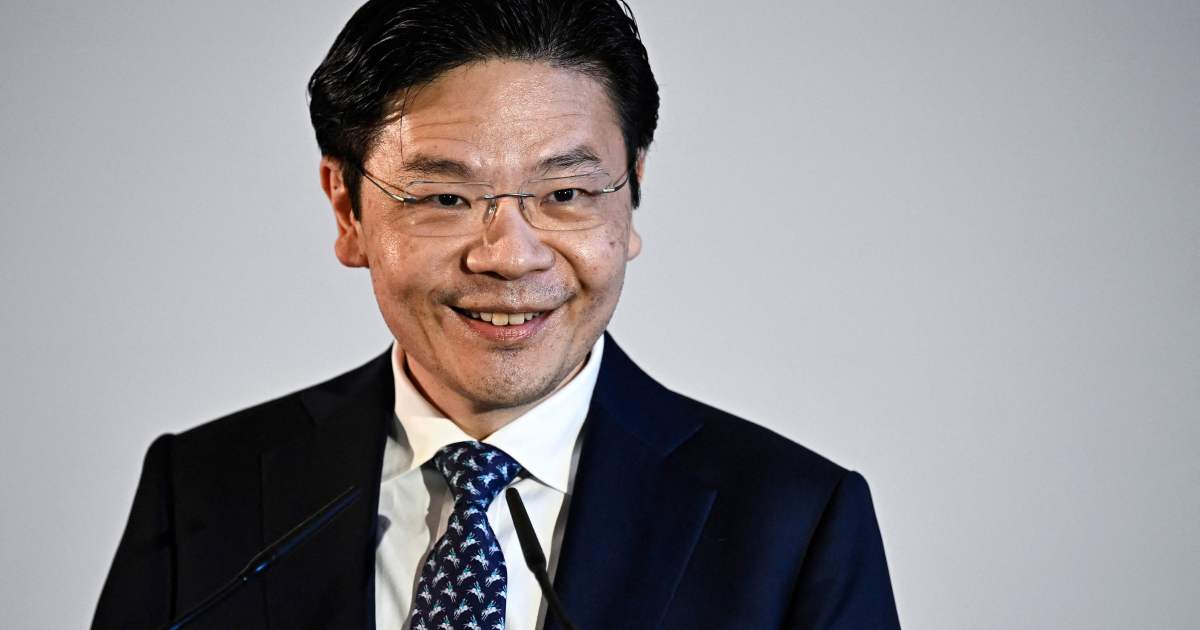
Prime Minister Lawrence Wong of Singapore unveiled a substantial restructuring of the government's cabinet and political leadership framework on Wednesday, reshaping the country's ministerial landscape as the ruling People's Action Party navigates an important generational shift in its senior ranks. The announcement reflects the administration's response to recent departures among key political office-holders and represents an opportunity to position emerging talent within Singapore's tightly managed political system.
The cabinet reshuffle carries particular significance for the region, as Singapore's political movements often serve as indicators of stability and strategic direction in Southeast Asia. The city-state's governance model, characterised by meritocratic advancement and deliberate succession planning, influences how regional observers assess the stability of key institutional arrangements. Wong's decisions will reverberate through ASEAN dynamics and regional partnerships, given Singapore's outsized diplomatic and financial influence.
Within the Malaysian and broader Southeast Asian context, Singapore's leadership transitions warrant close attention. The two countries maintain intricate trade relationships, shared maritime boundaries requiring careful management, and significant people-to-people connections. Any shift in Singapore's political direction or ministerial priorities—particularly those affecting economic policy, regional security cooperation, or bilateral relations—can have downstream effects on neighbouring economies and collaborative frameworks.
The structural changes announced by Wong appear designed to balance experience with renewal, a hallmark of Singapore's succession planning philosophy. By distributing responsibilities among both established administrators and newer political figures, the Prime Minister aims to maintain continuity while demonstrating that the PAP possesses bench strength sufficient to sustain its governance model across generational transitions. This approach has historically insulated Singapore from the leadership crises that occasionally disrupt neighbouring nations.
The recent resignations that precipitated this reshuffle point to evolving expectations within Singapore's political establishment. Whether these departures reflected principled disagreements, personal circumstances, or routine career transitions remains subject to local analysis, but they underscore that even Singapore's carefully controlled political environment experiences the pressures and personnel movements that characterise modern democracies and dominant-party systems.
For Malaysian observers, the cabinet appointments carry implications for bilateral engagement. If new ministers assume responsibility for trade, infrastructure, or security portfolios that intersect with Malaysian interests, diplomatic and economic teams in Kuala Lumpur will need to establish effective working relationships and understand any shifts in Singapore's policy priorities. The quality of cross-border governance and dispute resolution often depends on personal relationships and institutional trust between counterpart officials.
Wong's handling of this transition also speaks to his consolidation of authority as Prime Minister. His decisions about which portfolios retain their current holders, which are reassigned, and which receive new office-bearers communicate his confidence in various administrators and his vision for the government's strategic priorities. These choices inevitably trigger speculation about rising stars within the PAP and potential future leadership candidates, though Wong's administration typically discourages such commentary.
The reshuffle must also be understood within Singapore's broader policy environment. The city-state faces pressures around digital transformation, green energy transition, labour shortages in key sectors, and maintaining its competitive edge as a financial and trading hub. The cabinet appointments likely reflect assessments of which ministers are best positioned to drive progress on these fronts, suggesting where Wong intends to concentrate political capital and administrative focus during his tenure.
Regional economic observers will scrutinise whether the reshuffle influences Singapore's approach to trade negotiations, investment regulation, or participation in multilateral economic frameworks like the Regional Comprehensive Economic Partnership. Singapore's economic policies cascade through supply chains and investment flows affecting Malaysia, Thailand, Vietnam, and beyond. Any recalibration of ministerial focus could signal subtle shifts in how Singapore intends to position itself within the evolving regional economic architecture.
The political appointments also warrant attention from Singapore's civil society and media, which maintain relatively robust public discourse despite the PAP's dominant position. These constituencies will assess whether the reshuffle represents genuine renewal or merely rotational management of a closed elite. International observers and local commentators often scrutinise such moments for evidence about the PAP's adaptability and whether Singapore's political model can sustain public legitimacy across multiple leadership generations.
For Malaysian policymakers and business leaders, the immediate practical priority involves understanding the specific portfolios assigned to new ministers and establishing effective communication channels. Singapore's administrative efficiency and institutional sophistication mean that even minor shifts in personnel or emphasis can affect how bilateral issues are processed and resolved. Maintaining constructive relationships across the causeway depends partly on clarity about counterparts' authorities, priorities, and approaches.
Wong's announcement ultimately reflects Singapore's perpetual balancing act between continuity and controlled change, between sustaining its economic model and adapting to evolving regional challenges. The cabinet reshuffle represents another chapter in the PAP's long history of managing transitions through deliberate, top-down restructuring rather than through contested electoral processes. For the region, what matters most is whether the new configuration enhances or diminishes Singapore's capacity to engage constructively with neighbours and navigate the complex geopolitical and economic currents shaping Southeast Asia's immediate future.

