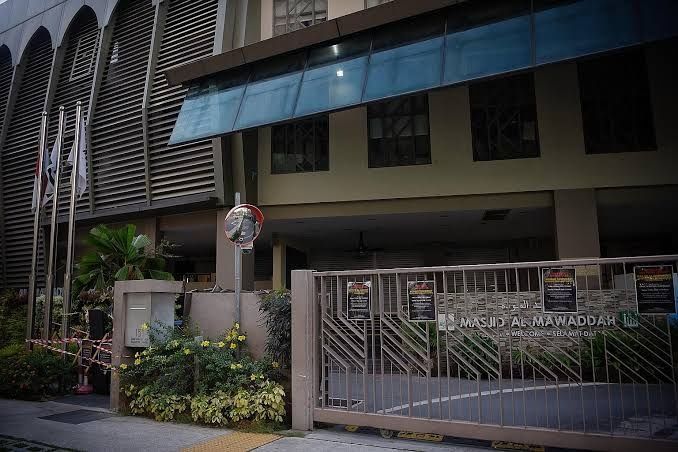
A senior finance executive at the Al-Mawaddah Mosque in Compassvale Bow, Sengkang, has been charged with allegedly taking more than S$14,000 (US$10,933) from the mosque's donation boxes, marking a significant breach of trust within Singapore's Muslim community. Mohamed Muhaimin Mohamed Sulaiman, 42, was formally charged on August 12 with one count of criminal breach of trust, a serious offence that carries substantial legal consequences.
According to police records, the alleged thefts occurred repeatedly across a four-month period spanning from February 6 to May 15. Investigators say Muhaimin committed the offence on at least 15 separate occasions during this timeframe, suggesting a pattern of misconduct rather than an isolated incident. The frequency of the alleged thefts points to potential systemic vulnerabilities in the mosque's internal financial controls and donation box security measures.
The matter came to light when police received a formal report on May 16, following discovery of the irregularities. The delay between the final alleged theft on May 15 and the report filing the following day indicates that accounting procedures or independent audits at the mosque may have flagged discrepancies in the donation collections. This discovery period represents a critical juncture where institutional safeguards functioned to detect financial impropriety.
Muhaimin's bail was set at S$10,000, allowing him conditional release while awaiting further legal proceedings. The court scheduled a mention hearing for September 16, giving prosecutors and the defence time to prepare their cases. Given the seriousness of the charge, the bail amount reflects judicial assessment of flight risk and the gravity of the allegations.
For the Al-Mawaddah Mosque and the broader Islamic Religious Council of Singapore, this case raises uncomfortable questions about governance and accountability. Donations collected at mosques form a vital funding stream for religious activities, community programmes, and charitable work. When entrusted officials misappropriate these funds, they undermine donor confidence and damage communal trust. Many individual worshippers contribute modest sums expecting their donations to support legitimate religious and social purposes.
The criminal breach of trust charge carries severe penalties that underscore the legal system's view of such violations. If convicted, Muhaimin faces potential imprisonment of up to 15 years and financial penalties. These substantial consequences reflect Singapore's firm stance against financial crimes, particularly those involving breach of fiduciary duty and misuse of community resources. The sentencing framework aims to deter similar conduct within positions of financial responsibility.
This case occurs within a broader Southeast Asian context where mosque and religious institution governance has increasingly attracted scrutiny. Several countries in the region have strengthened oversight mechanisms and transparency requirements for religious organisations handling public donations. Malaysia, Indonesia, and other nations have implemented stricter auditing standards and financial disclosure requirements for mosques and Islamic institutions to prevent mismanagement and fraud.
The implications for Singapore's Muslim community extend beyond the immediate case. Religious institutions depend heavily on volunteer and paid staff to manage complex financial operations. When individuals in such positions breach that trust, it necessitates tighter internal controls, segregation of duties, and more robust audit procedures. Many mosques may need to reassess their financial oversight structures to prevent similar incidents.
The timing of discovery also highlights the importance of regular financial audits and donor verification processes. Donation boxes, while convenient for spontaneous contributions, create vulnerability if not regularly monitored and reconciled. Modern alternatives, including digital donation systems and secure collection protocols, offer improved transparency and accountability that could have prevented or quickly identified irregular patterns in this case.
For Malaysian observers, this incident serves as a cautionary tale about institutional governance. While Malaysia has its own regulatory framework for mosque operations under state Islamic councils, lapses in financial oversight can occur in any jurisdiction. The case reinforces the importance of strict segregation of financial responsibilities, mandatory auditing, and whistleblower protections within religious organisations.
The Islamic Religious Council of Singapore's response to this matter will significantly influence public perception of accountability within the religious establishment. Transparency regarding internal investigations, institutional reforms, and measures to restore donor confidence will be closely watched by the community. How the council addresses the apparent gaps in financial controls will demonstrate its commitment to governance excellence.
As the legal process unfolds through the September 16 hearing and beyond, the case will serve as a test of Singapore's judicial system's handling of white-collar crime within religious institutions. The outcome may influence how other mosques across the region approach financial management and establish stricter accountability measures to protect communal resources entrusted to their care.

