Singapore has announced a comprehensive humanitarian response to the catastrophic flooding disaster unfolding in Nepal, committing specialised personnel and material assistance to support the mountain nation's overwhelmed relief infrastructure. The Foreign Ministry confirmed the deployment decision following diplomatic exchanges between Singapore's Foreign Minister Dr Vivian Balakrishnan and his Nepalese counterpart Shisir Khanal, with the assistance package designed to address both immediate search and recovery needs and longer-term support for affected communities.
The response includes a critical technical component: Singapore Police Force officers trained in Disaster Victim Identification, a highly specialised discipline essential for processing and identifying remains in mass casualty events. These DVI experts have been specifically requested by Nepal's authorities, underscoring the severity of the humanitarian situation and the technical challenges confronting Nepalese agencies overwhelmed by the scale of loss. The deployment represents a significant commitment of Singapore's limited pool of such specialists, reflecting the gravity with which the city-state views the emergency.
Beyond personnel, Singapore will dispatch both civilian and military supplies to supplement Nepal's emergency response capacity. The Singapore Armed Forces will contribute logistics and equipment alongside humanitarian goods, demonstrating a coordinated whole-of-government approach. This dual-track delivery mechanism ensures that immediate relief supplies reach affected populations while maintaining longer-term support capabilities.
The Singapore Government's Crisis Response Team has maintained a presence in Nepal since August 27, focused initially on providing consular assistance to affected Singaporeans caught in the disaster zone. This early deployment has enabled the team to assess ground conditions, establish communication channels with Nepalese authorities, and prepare logistics for the humanitarian assistance now being mobilised.
Financial contributions form another pillar of Singapore's response architecture. The nation pledged US$100,000 (RM403,000) to the Singapore Red Cross' public fundraising appeal on Friday, contributing to a collective effort that has generated approximately S$1 million (RM3.16 million) as of the announcement. This funding model leverages Singapore's established humanitarian infrastructure while channelling resources through established relief mechanisms trusted by Nepalese partners.
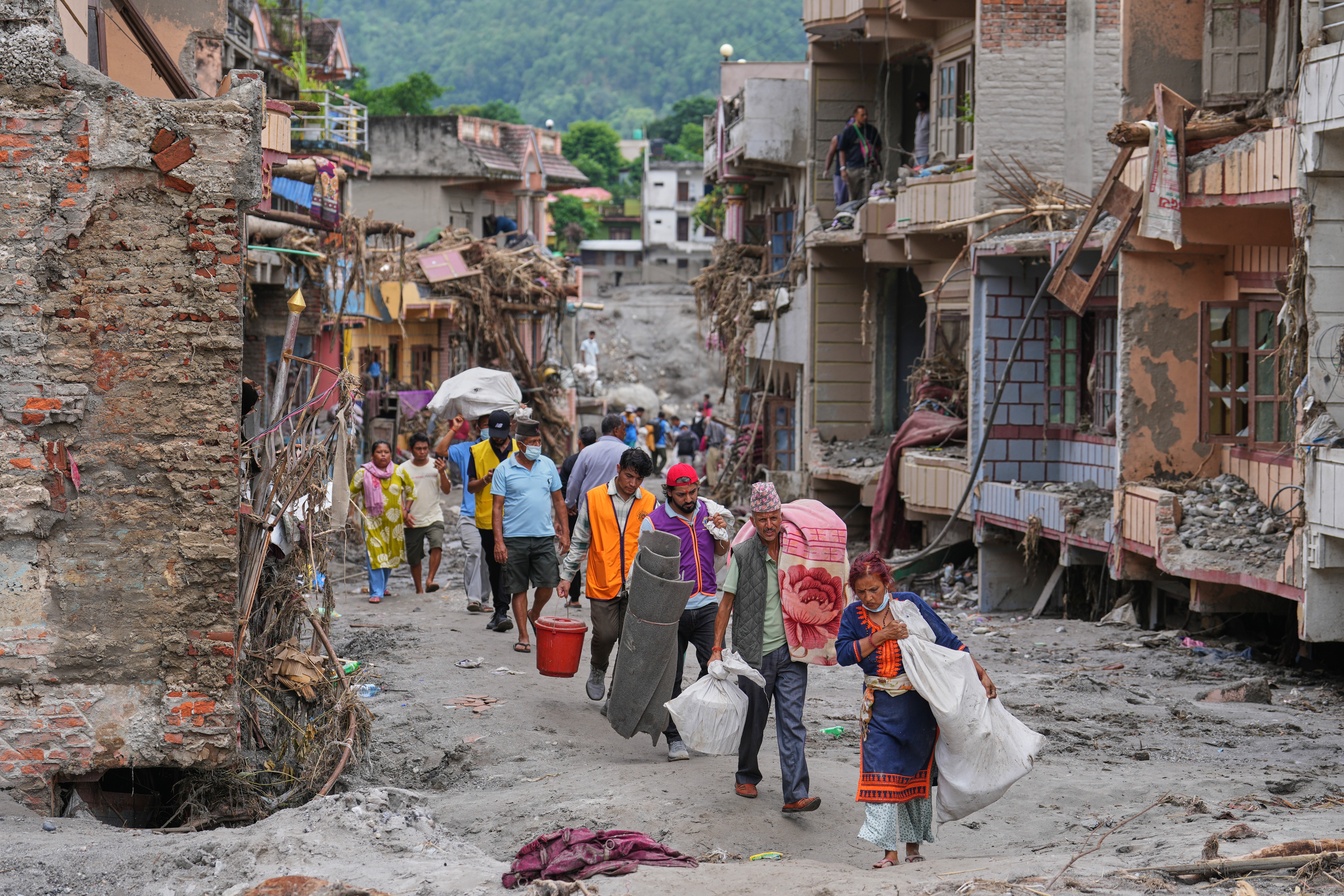
The underlying disaster that prompted this international response represents one of the most destructive natural disasters to strike the Nepal-China border region in recent years. Flash floods and mudslides triggered by intense monsoon precipitation have claimed at least 919 lives across affected districts, with the death toll potentially rising as rescue operations continue. Nearly 4,800 people remain unaccounted for, including 853 foreign nationals whose status remains uncertain, creating complex diplomatic and humanitarian coordination challenges for regional governments.
Singapore's rapid and multifaceted response reflects both regional diplomatic relationships and the practical reality that disasters transcending national borders demand coordinated international action. The city-state's decision to deploy DVI specialists recognises that technical capacity and expertise shortages often represent critical bottlenecks in disaster response, particularly in developing regions where such specialised capabilities remain limited. By contributing these human resources, Singapore addresses a genuine capacity gap rather than duplicating efforts already underway.
For Malaysian readers, Singapore's mobilisation carries several implications. First, it demonstrates how Southeast Asian nations coordinate disaster response through diplomatic channels and practical cooperation. Second, it underscores the shared vulnerability of the region to climate-related hazards, particularly during monsoon seasons when flash flooding threatens multiple countries simultaneously. Third, Singapore's response model—combining technical expertise, military logistics, and humanitarian funding through established civil society channels—offers a template for regional disaster management that Malaysia and other ASEAN members have adopted in various forms.
The scale of Nepal's humanitarian emergency extends beyond what any single nation can address, necessitating a coordinated international response mobilising resources from multiple countries. Singapore's contribution, while operationally modest in absolute terms, carries strategic significance through the specialised nature of its assistance and the political signal it transmits regarding regional solidarity during crises. The involvement of the Singapore Red Cross in fundraising also demonstrates how humanitarian response integrates government action, civil society mobilisation, and public participation into coherent strategies.
Looking forward, Singapore has signalled its commitment to sustained engagement with Nepal's relief and reconstruction efforts. The Foreign Ministry's statement explicitly noted the government's intention to maintain close coordination with Nepal's authorities as humanitarian assistance is delivered and assessed. This sustained engagement model reflects lessons learned from previous regional disasters, where initial intensive support must transition into longer-term recovery partnerships supporting affected communities' gradual reconstruction.
The deployment of the Crisis Response Team since August 27 demonstrates that Singapore had already positioned itself to respond quickly once the scale of the disaster became apparent. This proactive stance, combining consular protection for citizens with capacity to mobilise broader relief efforts, represents a sophisticated approach to humanitarian emergency management. For regional observers, Singapore's response demonstrates how smaller nations can contribute meaningfully to international humanitarian efforts by leveraging specialised capabilities rather than attempting to match larger nations' overall resource commitments.

