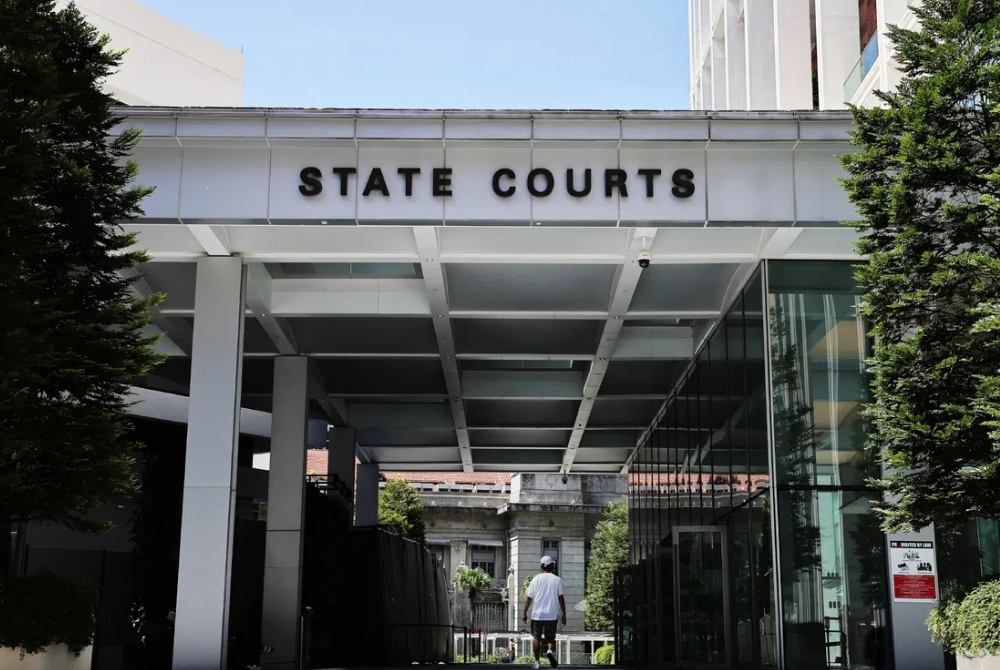
A Singaporean manager has been handed a lengthy prison sentence of nine years and ten months, along with eight strokes of the cane, for perpetrating severe abuse against primary school pupils entrusted to his care at a private educational facility. The offender, whose identity is protected by court order to shield the victims, pleaded guilty in July to multiple charges including child abuse, voluntarily causing grievous hurt, and providing false information to the Ministry of Manpower. His conviction brings to light one of the more disturbing cases of institutional child abuse in Singapore, raising serious questions about oversight and safeguarding procedures within private educational institutions.
The brutality documented in court records is particularly harrowing. The perpetrator repeatedly punched the children, beat them with wire clothes hangers until one implement fractured under the force of his blows, and subjected them to prolonged physical stress positions. One six-year-old victim from China bore the brunt of his cruelty, enduring an estimated 600 strikes over several months and at least 40 stomping incidents targeting his back and buttocks. The judge's detailed recounting of these incidents underscored the systematic and deliberate nature of the abuse, which was neither spontaneous nor the product of momentary loss of control.
The treatment inflicted on the youngest victim exemplifies the sadistic extent of the offender's behaviour. On March 9, 2023, he forced the child into a push-up position while supposed to be studying English. What began as a punishment that afternoon stretched into a nightmarish ordeal lasting more than eighteen hours. While other children ate dinner, the six-year-old remained locked in the exhausting position until 3.45am the next morning. During those dark hours, he was punched, stomped upon, and subjected to additional humiliation when the abuser forced him to urinate into a basin and then drink the liquid when he complained of thirst. Such acts go beyond typical corporal punishment and venture into deliberate psychological and physical torture.
The consequences for the young victim proved life-threatening. The prolonged physical abuse caused rib fractures, triggered kidney failure, and necessitated nine days of dialysis treatment. The child's condition deteriorated because the offender deliberately withheld medical attention for three days, fearing that hospital staff would report the abuse to authorities. This calculated concealment transformed what might have been treatable injuries into a critical medical emergency. District Judge John Ng noted that such injuries represented the severity of the violence perpetrated and justified the substantial custodial sentence imposed.
The offender's operational environment at the private facility created conditions ripe for abuse and concealment. His aunt owned and managed an educational establishment that provided residential accommodation for students and administrative services for foreign families seeking education solutions. The 31-year-old was hired as a manager in 2016 despite lacking any formal teaching qualifications or childcare training. He was nonetheless given supervisory responsibility over the facility's student residents and entrusted with educational duties, a remarkable gap in recruitment standards that enabled his subsequent crimes. The facility's lack of adequate oversight and vetting procedures permitted an unqualified individual to exercise unchecked authority over vulnerable children.
The grooming and deception accompanying the physical violence reveals premeditation rather than impulsive behaviour. The offender strategically isolated his victims and controlled their access to food, forcing the six-year-old to subsist on bread and water alone for extended periods. He made the child sleep in the toilet, a deliberate degradation tactic designed to assert dominance and break resistance. When injuries became severe enough to risk discovery, he devised pretexts to contact the child's father seeking retroactive permission to "discipline" the boy, conveniently omitting mention of the extensive beatings already inflicted. This manipulation of parental authority demonstrates conscious awareness that his actions would be rejected if disclosed truthfully.
The offender's personal history drew limited judicial sympathy. During sentencing, defence counsel argued that the perpetrator himself had suffered childhood abuse at the hands of an alcoholic father and a gang-affiliated older brother. Judge Ng acknowledged this background but firmly rejected it as mitigation. The judge articulated a crucial principle: individuals who have themselves experienced abuse occupy a special position to break the cycle of violence rather than perpetuate it. The fact that this offender had known the pain of victimisation should have motivated him to protect vulnerable charges, not exploit them. Instead, he replicated the brutality he had experienced, visiting upon defenceless children the same cruelty that had marked his own youth.
The prosecution's case, presented by Deputy Public Prosecutors Timotheus Koh and Cheronne Lim, documented a methodical pattern of abuse sustained over months. The six-year-old victim endured regular punishment following his arrival at the facility in January 2023. The patterns were consistent: extended stress positions, beatings with implements, food deprivation, and forced consumption of degrading substances. The prosecutors emphasised that this represented a profound breach of trust. Parents and guardians had placed their children in what they believed to be a safe, educational environment. The offender occupied a position of authority that demanded protection and care; instead, he weaponised his position to inflict maximum suffering while maintaining control over information reaching outside observers.
The sentencing reflects Singapore's judicial determination to impose substantial punishment for institutional child abuse. The nine-year-ten-month prison term, coupled with eight strokes of the cane, signals that crimes against defenceless children warrant severe consequences regardless of the offender's personal difficulties. The judge rejected a request to defer sentencing for a week to permit religious observances, signalling that no considerations, however personally significant to the accused, would supersede accountability for such egregious behaviour. The offender was permitted only brief final contact with family members before being removed from court.
The case exposes systemic vulnerabilities in Singapore's private educational sector oversight. Private facilities providing residential and educational services operate with varying degrees of regulatory scrutiny compared to government institutions. This case demonstrates that hiring unqualified individuals without proper background checks and childcare training can create dangerous environments where abuse flourishes unchecked for months. Recommendations will likely include mandatory qualification requirements, regular independent inspections of residential facilities, and clearer reporting mechanisms that bypass institutional hierarchies to ensure that suspicions of abuse reach authorities without delay.
For Malaysian observers, the case provides sobering reminders about the importance of institutional safeguarding in both public and private educational settings. The scale and duration of abuse that went undetected at this Singapore facility highlights how persistent institutional failures can permit systematic victimisation. Parents enrolling children in residential educational programmes, whether in Malaysia or abroad, should insist on transparent oversight, qualified staff, and clear reporting channels for concerns. The case also underscores the psychological principle that surviving abuse does not automatically confer moral immunity; perpetrators cannot claim that their own traumatic histories absolve them of responsibility for inflicting suffering on innocents.

