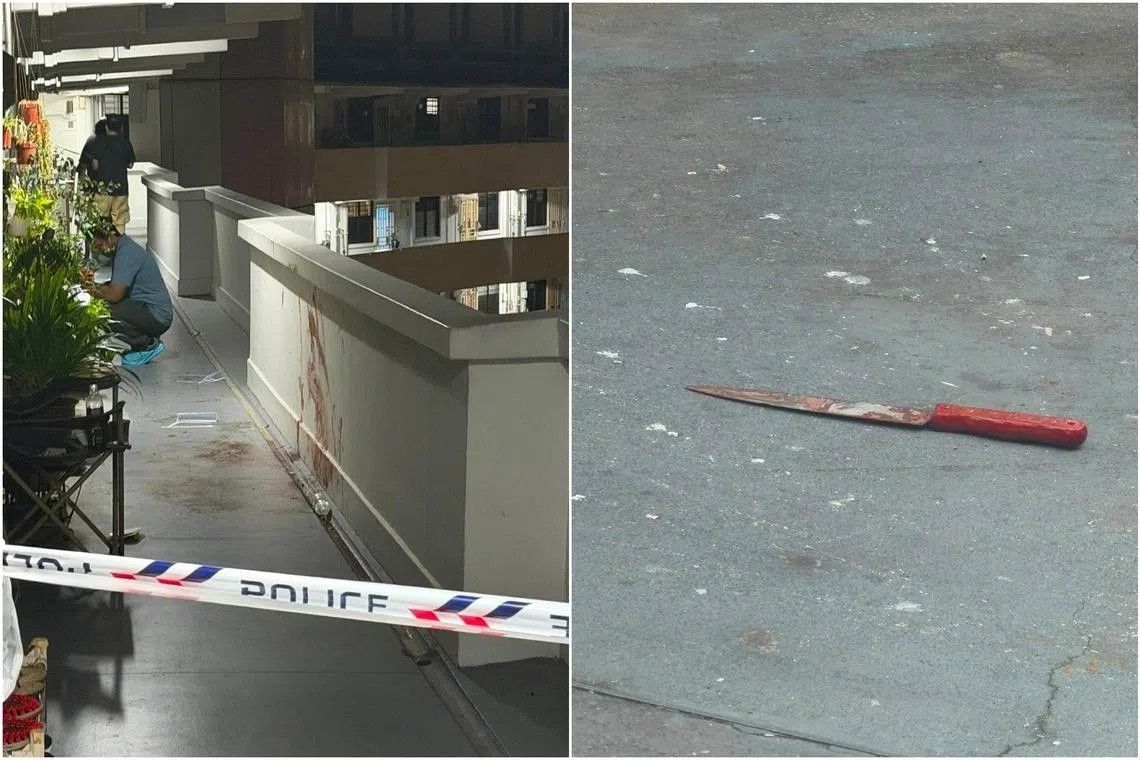
A Singapore resident has been formally charged with murder following the death of a neighbour at a Housing and Development Board block near Redhill Road. Ng Swee Seng, 59, made his court appearance through a video link on July 22, facing accusations that he unlawfully killed Thiyagarajan Karunakaran, who was the same age. The incident unfolded at Block 55 Lengkok Bahru, a residential tower that houses hundreds of families in one of the island's established neighbourhoods.
Emergency responders received multiple distress calls just before 5 in the afternoon on July 20, prompting swift deployment to the location. Upon arrival, officers discovered the victim lying unresponsive in the lift lobby area on the 16th floor. Medical teams immediately transported him to the National University Hospital, where he was admitted to intensive care. However, his injuries proved fatal, and he succumbed to his wounds shortly after arrival. The sudden death in a residential building shocked the community and triggered a police investigation that would culminate in the murder charge.
Visual evidence gathered at the scene painted a grim picture of the altercation that had taken place. When journalists visited the block the following day, prominent bloodstains were visible along the corridor on the 16th floor, with a particularly distinctive bloodied footprint marking the floor. These traces indicated a violent struggle had occurred in the common area, rather than within a private unit. The physical evidence suggested the confrontation escalated significantly, resulting in fatal injuries that emergency medical intervention could not reverse.
Neighbours living in the same block provided crucial perspective on the relationship between the two men. One resident, who has occupied a unit in Block 55 Lengkok Bahru for approximately four years, revealed that both individuals resided on the 16th floor but maintained separate living spaces several units apart. This proximity within the same corridor suggests they would have encountered each other regularly, moving through shared common areas. The exact nature of their relationship—whether they were acquainted, had maintained cordial relations, or had experienced previous tensions—remains unclear from available reports.
The case highlights a troubling reality within high-density residential environments across Singapore and Southeast Asia, where neighbours in close proximity sometimes experience conflicts that turn violent. Incidents occurring within Housing and Development Board blocks, which house the majority of Singapore's population, generate heightened public concern due to the shared living spaces and concentration of residents. The murder charge indicates that investigators determined the death was not accidental but the result of deliberate and unlawful actions by the accused.
Court procedures will now determine the precise circumstances surrounding the conflict and what triggered the fatal confrontation. The formal charge of murder carries severe penalties under Singapore law, with conviction potentially resulting in capital punishment. The court appearance on July 22, conducted via video link rather than in-person, suggests standard precautions and procedures being followed during the initial phase of proceedings. As investigations continue, authorities will be examining witness statements, forensic evidence, and any history of disputes between the two residents.
For residents of Block 55 Lengkok Bahru and the broader Redhill community, this incident serves as a stark reminder of how disputes between neighbours can escalate unexpectedly with tragic consequences. The case will likely prompt discussions about conflict resolution mechanisms, community safety, and the pressures inherent in shared residential spaces. Similar incidents have occasionally occurred in other Housing and Development Board blocks, though violent confrontations resulting in death remain relatively rare events requiring extraordinary circumstances.
The Straits Times coverage of the incident provided ground-level reporting that documented the aftermath visible to the public, establishing a clear record of the physical evidence at the scene. Such thorough documentation proves essential in criminal investigations, corroborating official police accounts and establishing the severity of the incident. The investigation and subsequent legal proceedings will unfold over coming weeks and months, with the courts ultimately determining whether the accused is guilty of murder or whether alternative findings apply.
For Malaysian readers and observers across Southeast Asia, this case underscores ongoing safety considerations in densely populated urban housing environments. While Singapore maintains relatively low violent crime rates compared to regional and global standards, incidents involving neighbours remind residents of the importance of maintaining peaceful relationships and seeking appropriate channels for dispute resolution before tensions escalate. The case will be monitored through Singapore's court system, with verdicts and sentencing potentially establishing precedents relevant to regional jurisprudence on serious violent crimes.

