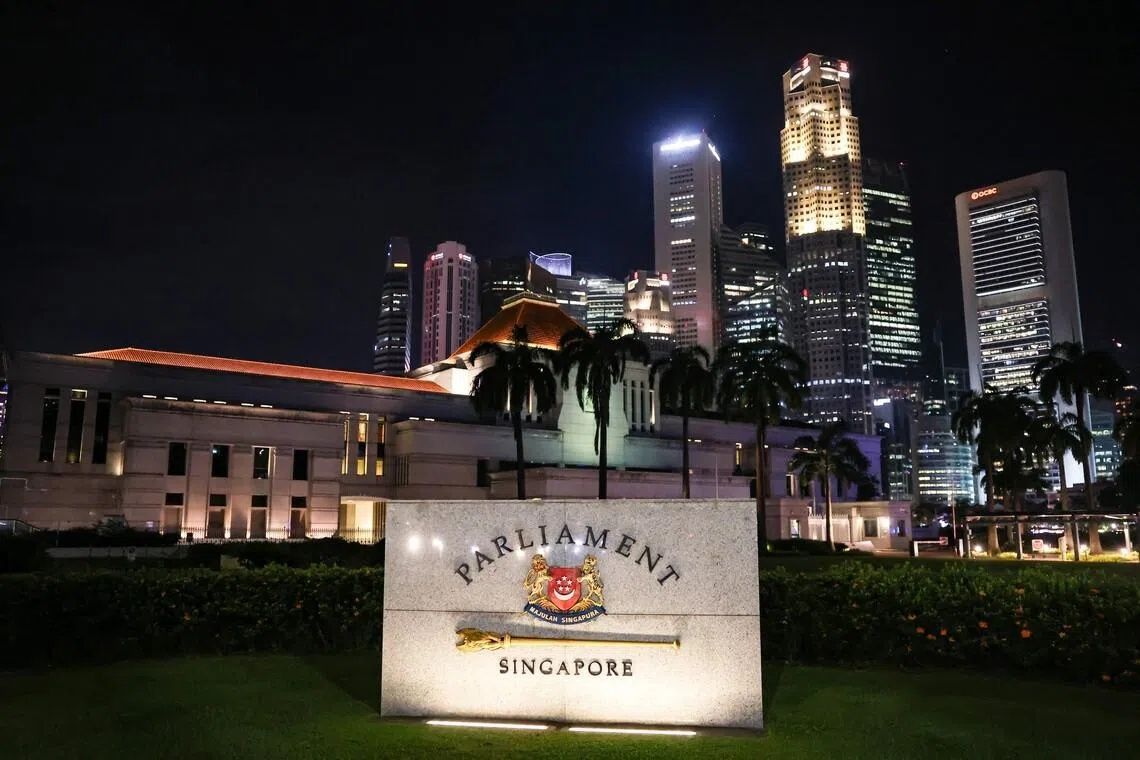
Singapore authorities have moved to prosecute a 40-year-old man accused of submitting multiple false bomb threats directed at prominent government facilities, marking a serious breach of public security protocols in the city-state. The individual faces charges relating to the submission of hoax warnings to Parliament House and a government agency, incidents that triggered extensive security operations despite yielding no genuine threats. He was scheduled to appear in court on July 9 following his arrest on July 7, when police determined he was responsible for both incidents.
The first alarm was raised on July 3 when the Home Team Science and Technology Agency (HTX), a government research body, received an online form claiming explosives had been planted at its headquarters in the One North district. Four days later, on July 7, authorities received notification of an anonymous email sent to the Prime Minister's Office alleging that a bomb had been positioned at Parliament House, the country's legislative chamber. The compression of these incidents over just four days suggested either escalating behaviour or a deliberate campaign designed to create maximum disruption to government operations.
Investigators from the Criminal Investigation Department and Central Police Division determined through their examination that both threats originated from the same perpetrator, indicating a pattern rather than isolated incidents. This coordination between detective units underscores the seriousness with which Singapore treats threats to national institutions. The speed at which officers linked the communications demonstrated the sophistication of Singapore's cyber-tracking capabilities, particularly when targeting online submissions and email communications directed at sensitive government addresses.
Following standard security protocols, police conducted comprehensive searches of both premises. The sweeps encompassed systematic examinations of the buildings themselves as well as their surrounding areas, ensuring that no credible items or devices posed a genuine risk. The thorough nature of these operations reflects the precautionary approach Singapore adopts toward any reported security incidents, particularly those mentioning explosive devices. Despite the extensive nature of these searches, no objects of security concern were discovered at either location, confirming the false nature of the allegations.
During the arrest process, officers seized multiple electronic devices from the suspect's possession, which investigators believe were instrumental in perpetrating the hoax threats. The confiscation of these items constitutes a critical component of the prosecution's case, as they provide forensic evidence linking the accused individual to the communications. Digital forensics teams would likely examine these devices to retrieve metadata, communication records, and browsing histories that establish the suspect's involvement beyond reasonable doubt.
The charges filed against the man invoke Singapore's legislation against communicating false information of harmful things, a statute designed to deter public alarm-raising and misuse of government security channels. Should the prosecution prove its case, the potential penalties represent significant legal consequences. A conviction carries a maximum custodial sentence of seven years imprisonment, coupled with the possibility of a financial penalty reaching S$50,000, or a combination of both sanctions. These substantial penalties reflect the gravity with which Singapore's legal system treats false security threats.
The incident carries particular resonance in Southeast Asia's broader security environment, where false threats disrupt already-stretched government resources and create public unease about institutional vulnerability. For Malaysian observers, the case illustrates the seriousness that developed city-states attach to protecting critical government infrastructure from hoax attacks. Singapore's response demonstrates how sophisticated security states deploy technology and investigative expertise to rapidly identify perpetrators of such offences, contrasting with the sometimes-delayed responses characterised in other regional jurisdictions.
Police authorities issued a public statement emphasizing that fabricated bomb threats generate unnecessary anxiety among the general public whilst simultaneously diverting law enforcement and security personnel from legitimate operational priorities. This messaging serves a dual purpose: warning potential offenders of the consequences they face, whilst also reassuring citizens that such hoaxes, though disruptive, ultimately trigger appropriate official responses. The warning reflects frustration within security agencies regarding the wasteful nature of false alarms and their cascading impact on public confidence.
For Malaysian security analysts and policymakers, the Singapore case offers instructive lessons about rapid digital forensics, inter-departmental coordination, and the escalating legal consequences for cybercrimes involving false threats. The swift identification and prosecution of the suspect demonstrates the investigative capabilities now routine in advanced security states. As Southeast Asian nations grapple with balancing open digital communication against security threats, Singapore's approach—combining technological capability with proportionate legal consequences—provides a model worth studying. The incident also underscores how false security threats, though ultimately harmless, consume significant resources and reflect the vulnerability of even well-protected government institutions to nuisance communications in an era of ubiquitous online access.

