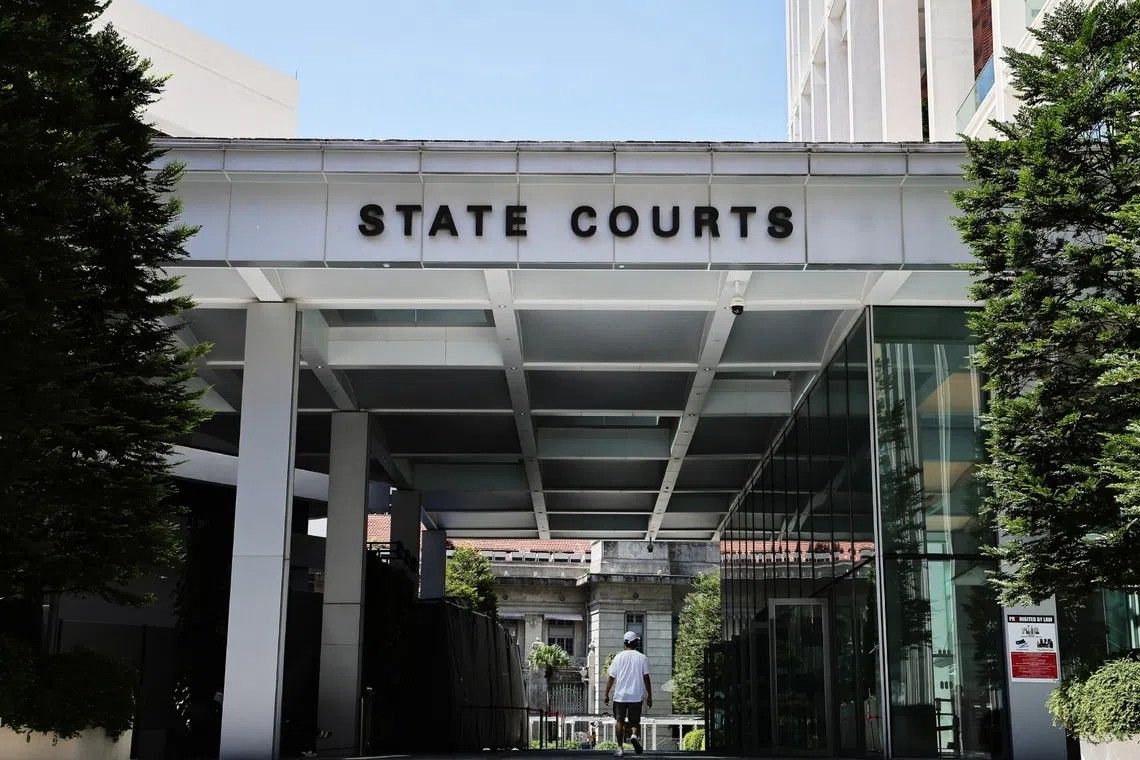
A 22-year-old driver in Singapore has been charged with causing the death of a petrol station pump attendant in what authorities describe as an incident involving multiple serious traffic violations and alleged drug use. Ray Png AZ faced a total of eight charges when he was presented to court on August 8, with the most serious allegations including driving without a valid licence, causing death through careless driving, and operating a vehicle while impaired by controlled substances.
The fatal incident unfolded in the early morning hours of August 6 at an Esso petrol station located on Upper Changi Road North. According to police accounts, Png was at the station shortly before 4am when he abruptly reversed his vehicle whilst a 69-year-old attendant was preparing to refuel it. The driver's side door, which remained open during the reversal, struck the worker, causing him to fall and strike his head against the ground. The attendant was transported to hospital but subsequently died from his injuries, making this one of Singapore's rare fatal petrol station accidents.
Following the collision, Png reportedly abandoned the vehicle at the scene and fled with a female passenger. Both individuals were apprehended later that same day. The woman is now the subject of a separate investigation related to alleged consumption of a controlled substance and for allegedly assisting the driver in his escape, charges that under Singapore law carry their own serious penalties and imprisonment risks.
The allegations of drug influence add a particularly troubling dimension to the case, raising questions about how an impaired driver managed to access and operate a vehicle in the first place. Police have emphasised that the combination of factors present in this incident—driving without a valid licence, operating a deregistered vehicle, and being under the influence of drugs—represents a convergence of serious public safety violations that endangered not only the victim but all other road users and petrol station staff present that morning.
Authorities have used the case to underscore the dangers posed by deregistered vehicles, which lack proper insurance coverage and may fail to meet current safety standards. When such vehicles are operated by unlicensed or underage drivers, police stated that the inherent risks multiply considerably. The message appears directed at both potential offenders and the public, highlighting how the failure to maintain basic vehicle registration and licensing requirements can have catastrophic human consequences beyond the financial and administrative aspects typically associated with such violations.
The penalties available to the courts in Singapore for the charges Png faces are substantial. Driving without a valid licence carries a maximum fine of SGD 10,000, imprisonment for up to three years, or both, with possible vehicle forfeiture. The charge of driving without due care and attention causing death similarly provides for penalties up to SGD 10,000 in fines or three years' imprisonment. Driving under the influence of drugs permits fines ranging from SGD 2,000 to SGD 10,000, imprisonment up to one year, or both, with the potential addition of driving disqualification across all vehicle classes. Operating a deregistered vehicle can result in fines up to SGD 20,000, imprisonment for up to two years, or both.
The case highlights a persistent challenge across Southeast Asia regarding enforcement of vehicle registration and licensing requirements, particularly among younger drivers. Singapore's relatively strict regulatory environment and enforcement mechanisms mean such cases typically result in prosecution, yet they continue to occur with alarming regularity. The incident raises broader questions about how effectively licensing authorities identify and remove unqualified drivers from roads, and what additional measures might prevent similar tragedies.
For Malaysian readers and regional observers, the incident underscores the critical importance of vehicle registration and driver licensing frameworks. While Malaysia's regulatory systems differ from Singapore's, the fundamental principle remains: unlicensed drivers operating unregistered vehicles represent a serious public safety hazard. The death of the pump attendant illustrates in tragic terms what can occur when multiple violations intersect, particularly when substance impairment is involved.
The case also reflects broader Southeast Asian trends regarding drug-related driving incidents. Several countries in the region have seen rising numbers of drug-influenced driving cases, with authorities increasingly implementing roadside testing and tougher penalties. Singapore's multi-charge approach to Png's case—treating the driving infringements, the death, and the drug aspect as separate but related offences—provides a comprehensive legal response that addresses each violation's severity.
Png's matter is scheduled for a pre-trial conference on August 28, where legal representatives will likely raise preliminary matters before the case proceeds toward substantive trial. The outcome will be closely watched by road safety advocates and legal professionals across the region, as Singapore's courts have shown increasing willingness to impose custodial sentences in fatal traffic incidents, particularly where multiple aggravating factors are present.
The incident serves as a sobering reminder for all road users and drivers about the consequences of violations that might seem routine—operating without proper licensing or registration—when combined with impaired driving. For families of road workers and petrol station staff across Southeast Asia, it highlights the occupational hazards they face daily, often from unexpected and preventable causes rooted in driver negligence and non-compliance with basic legal requirements.

