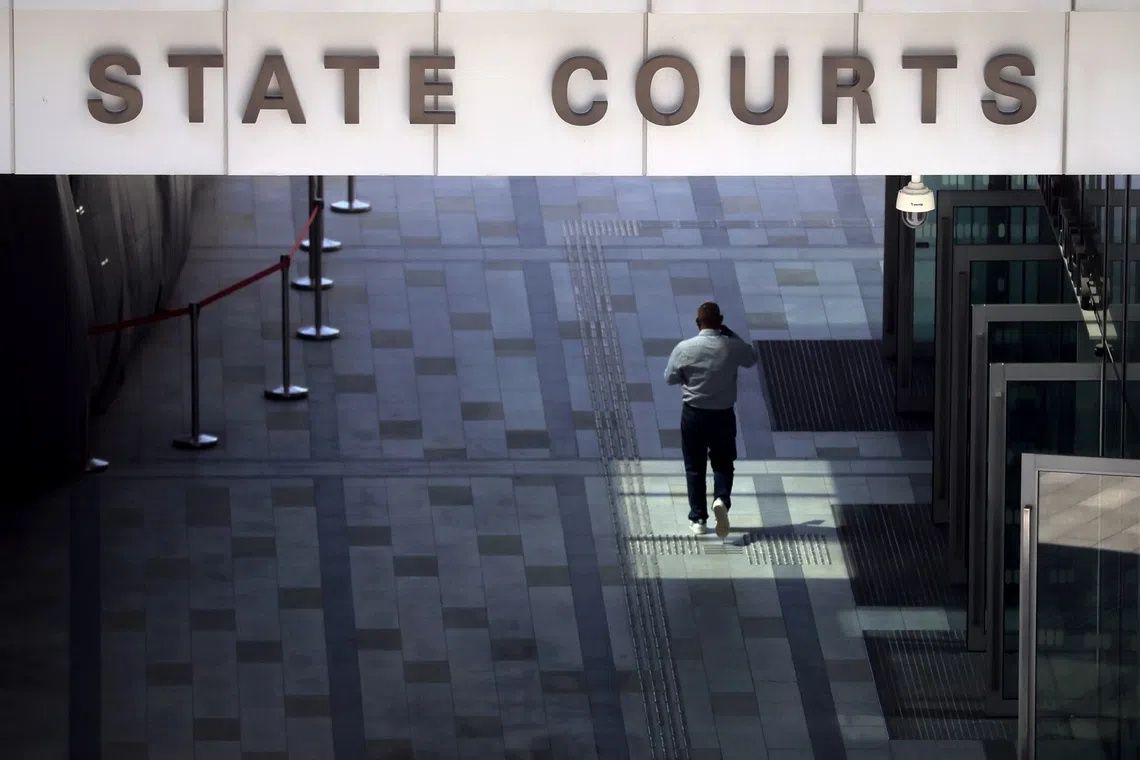
A Singapore father has been charged with two counts of child ill-treatment following allegations of violence against his young children in separate incidents. The 40-year-old man, who cannot be identified due to court orders protecting the minors involved, appeared in court on Thursday to face the charges stemming from incidents that occurred in September and October 2025. The case underscores the ongoing challenge of child protection in Singapore's densely populated residential communities and highlights how child abuse can occur across different settings, from the family home to public spaces.
According to court documents, the first alleged incident took place on September 8 in a flat located on the eighth floor of an HDB block at approximately 8:40 in the morning. The man allegedly instructed his 10-year-old son to remove his clothing and then take the lift down to the ground floor of the residential building. The court papers do not clarify whether the child complied with this directive, nor do they provide insight into the father's stated motivation for the instruction. The nature and severity of any resulting distress or harm to the child remains undocumented in the publicly available portions of the case file.
The second incident involving the man's eight-year-old daughter occurred roughly four weeks later, on October 3, at Changi Airport Terminal 3 shortly before 6 in the evening. During this incident, the father allegedly struck his daughter multiple times, delivering slaps and punches while also pushing her. The alleged violence caused visible injuries to the child's face and neck area. Unlike the earlier incident confined to a private residence, this assault occurred in one of Singapore's most frequented public spaces, where numerous other travellers and airport staff would have been present.
The absence of stated motives in the court documents is particularly striking, as it offers little explanation for the escalating pattern of alleged abuse. Child protection experts and social workers familiar with such cases note that understanding the circumstances leading to abuse—whether stemming from parental stress, mental health issues, substance abuse, or other factors—is crucial for intervention and rehabilitation. The lack of publicly disclosed reasoning has left open questions about the family's circumstances and the environment in which these children have been living.
This case carries significant implications for Singapore's approach to child protection and domestic violence prevention. Despite the island nation's reputation for strict law enforcement and low crime rates, incidents of child abuse within homes and families remain a persistent concern. The fact that allegations emerged from both a private domestic setting and a public airport environment suggests the need for heightened awareness among caregivers, family members, and members of the public who interact with children in various contexts.
For Malaysian observers, the case presents a sobering reminder of child welfare challenges that transcend national borders across Southeast Asia. While Singapore maintains robust legal frameworks and enforcement mechanisms specifically designed to protect children, the consistent emergence of such cases indicates that legislative measures alone are insufficient without broader cultural shifts regarding parental discipline and child welfare. The anonymity afforded to the children in these proceedings, while protecting their privacy, also limits public understanding of how authorities handle such matters.
The court's decision to maintain a gag order protecting the identities of both children reflects Singapore's established practice of safeguarding minors involved in abuse cases. This legal protection prevents further harm to the victims through media exposure and potential stigmatisation, though it also restricts public discourse about the specifics of how such cases unfold and are prosecuted. For other parents and guardians seeking to understand community standards and legal boundaries, the limited information available can create a knowledge gap about what constitutes acceptable discipline and what crosses into illegal abuse.
Chilren's advocacy organisations in Singapore and across the region have increasingly emphasised the importance of public education and early intervention in abuse cases. The airport incident in particular demonstrates that abuse can occur in spaces where witnesses are abundant, raising questions about bystander intervention and community responsibility in identifying and reporting suspected abuse. Training for airport staff, security personnel, and other frontline workers to recognise signs of child distress remains an important component of broader protection frameworks.
The father's next court appearance is scheduled for August 13, when the case will be mentioned again before a judge. At this juncture, details regarding bail conditions, counselling requirements, or other interim measures remain unknown. The legal process will ultimately determine the veracity of the allegations and impose appropriate penalties if the charges are proven. Beyond the immediate criminal proceedings, the case raises important questions about family support services and the availability of parenting interventions that might prevent escalation of domestic tensions into violence.
For Singapore society, this case exemplifies the ongoing tension between maintaining family privacy and ensuring child safety. While the legal system proceeds through its established channels, the underlying issues of parental stress management, access to mental health services, and community-based family support deserve sustained attention. The coming weeks will likely see further developments as the case progresses through Singapore's courts, potentially offering additional insights into how the jurisdiction handles complex child protection matters.

