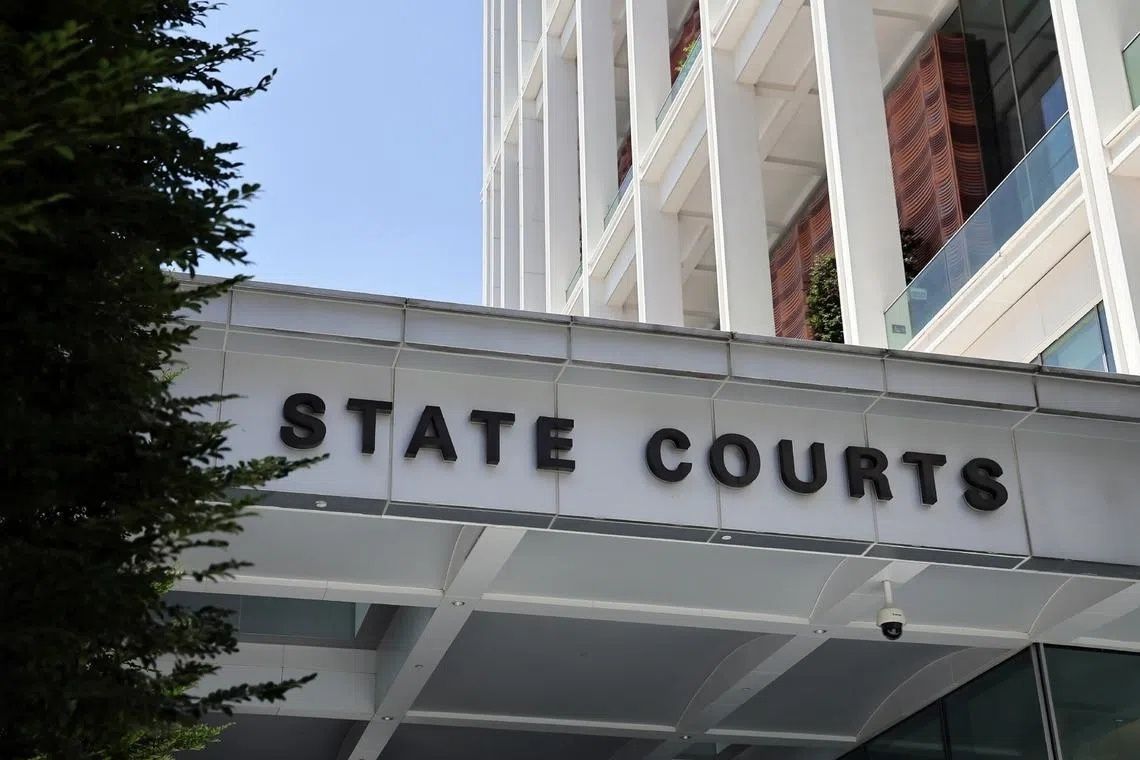
A crackdown on alcohol-impaired driving in Singapore has resulted in 41 motorists facing legal action within a 24-hour period, highlighting the persistent challenge authorities face in combating drunk driving on regional roads. The enforcement action on June 25 underscores the island nation's aggressive approach to traffic safety, a model that has implications for Malaysia and other Southeast Asian jurisdictions grappling with similar public safety concerns.
Three of the offenders presented particularly alarming cases, having allegedly dozed off while operating vehicles under the influence of alcohol. Tho Yu Wei Ronald, aged 34, was accused of abandoning his vehicle at the entrance of a multi-storey carpark in Hougang on April 30 at 11:05pm, with breath readings showing 51 micrograms of alcohol per 100 millilitres—exceeding the legal threshold of 35 micrograms by nearly 50 percent. Similarly, Zhong Pengzhi, 38, reportedly fell asleep while driving along Clementi Avenue 5 in the early morning hours of May 9, registering 48 micrograms per 100 millilitres. The third case involved Dharuman Killivalavan, a 29-year-old Indian national operating a lorry along Loyang Avenue on June 15 evening, whose breath sample revealed a concerning 87 micrograms per 100 millilitres—more than double the legal limit.
The courts delivered differentiated sentences based on individual circumstances and prior offence history. Dharuman, who entered a guilty plea during the June 25 proceedings, received a fine of $7,100 and lost his driving privileges for three years. His substantially elevated alcohol level, combined with the use of a heavy commercial vehicle, likely influenced the severity of the penalty. The cases demonstrate how Singapore's judicial system factors in the potential public danger created by impaired operators of larger vehicles on congested urban roads.
More stringent penalties awaited repeat offenders among the cohort. Cheng Woon Siong, aged 44, faced significantly harsher consequences due to a previous drink-driving conviction in December 2019. During a routine police check, his breath test revealed 52 micrograms per 100 millilitres. The district court sentenced him to one month of imprisonment alongside a $5,500 fine and a 60-month driving disqualification commencing after his release. This escalated response reflects Singapore's zero-tolerance stance toward recidivism in traffic offences, aiming to deter habitual violators through cumulative legal consequences.
Another repeat offender, Koh Choon Lye, aged 48, had previously been convicted of the same offence in 2018. Police encountered him along Tyrwhitt Road on April 16 during a standard checkpoint operation, with his breath analysis showing 51 micrograms per 100 millilitres. His status as a previous offender qualified him for enhanced penalties that extend beyond those imposed on first-time offenders, reflecting judicial recognition that such individuals pose elevated danger to public safety.
The broader statistical landscape reveals the magnitude of Singapore's drink-driving challenge. During 2025, traffic police arrested 1,716 individuals for driving under alcohol influence—a figure that translates to approximately 4.7 arrests daily across the island's relatively compact land area. More sobering still, 12 fatal accidents directly attributable to alcohol-impaired driving occurred that year, each representing a preventable tragedy stemming from poor judgment and unsafe choices.
For Malaysian readers, Singapore's enforcement intensity and judicial response provide instructive comparison points. While Malaysia's drink-driving laws carry similarly serious penalties—including imprisonment, substantial fines, and driving disqualifications—the frequency and consistency of enforcement in Singapore suggests a more systematic approach to apprehension and prosecution. The regional significance lies in recognising that neighbouring countries' regulatory frameworks and enforcement cultures can influence driver behaviour patterns across porous borders and shared transport networks.
The concentration of 41 cases processed on a single day reflects coordinated enforcement operations rather than random happenstance. Singapore's Traffic Police regularly conduct targeted operations during high-risk periods, typically focusing on late-night and early-morning hours when alcohol consumption-related driving is most prevalent. Such strategic deployment of resources, combined with random checkpoint enforcement on arterial roads, creates a credible deterrent effect among the driving population.
The cited data on accidents resulting in fatalities adds critical context to punishment severity. Twelve deaths attributable to drink-driving across an island nation with approximately 3.7 million residents represents a proportionally significant loss of life. In comparative terms, Malaysia's larger population and more extensive road networks experience substantially higher absolute numbers of traffic fatalities, though determining the precise proportion attributable to alcohol impairment requires access to detailed accident investigation data often fragmented across state authorities.
Public health messaging accompanying enforcement efforts emphasises alternative transportation options, particularly the use of ride-hailing services and traditional taxis. In urban Singapore's developed transport ecosystem, such alternatives are readily accessible and relatively affordable, removing practical excuses for impaired driving. Malaysian urban centres, particularly Kuala Lumpur and Selangor, increasingly offer comparable options, though availability and affordability remain more constrained in smaller cities and rural areas.
The specific breath alcohol thresholds employed—35 micrograms per 100 millilitres as the legal limit—align with standards adopted in many developed nations and represent a relatively conservative approach focused on preventing any level of impairment. Some jurisdictions employ higher thresholds for fully licensed drivers, reserving stricter standards for novice drivers, but Singapore maintains uniform application.
Beyond immediate legal consequences, individuals convicted of drink driving face collateral impacts including employment difficulties, insurance premium escalations, and professional licensing complications. These downstream effects, though not explicitly detailed in court proceedings, represent genuine deterrents for professionals and commercial drivers whose livelihoods depend on maintaining clean driving records.
As regional traffic safety concerns intensify alongside economic development and motorisation rates across Southeast Asia, Singapore's enforcement model and graduated penalty system merit serious study by Malaysian policymakers and road safety advocates. The combination of consistent enforcement, proportionate but meaningful penalties, and sustained public education appears to create a cultural shift toward viewing drink-driving as genuinely risky behaviour rather than a minor infraction.

